
Remodeling can change much more than the appearance of a home. Well-planned improvements can make everyday spaces more functional, address areas that need attention, and help homeowners get more from their existing property. From outdoor living areas to moisture protection, different types of remodeling can contribute to a home’s comfort, condition, and long-term value.
Remodeling Can Extend Your Living Space
One of the most noticeable ways remodeling can improve a property is by creating more usable space. Projects such as updating a kitchen, finishing an unfinished area, or adding a deck can give household members more room to relax, entertain, and spend time together. These improvements can also help a home better reflect how the space is actually being used.
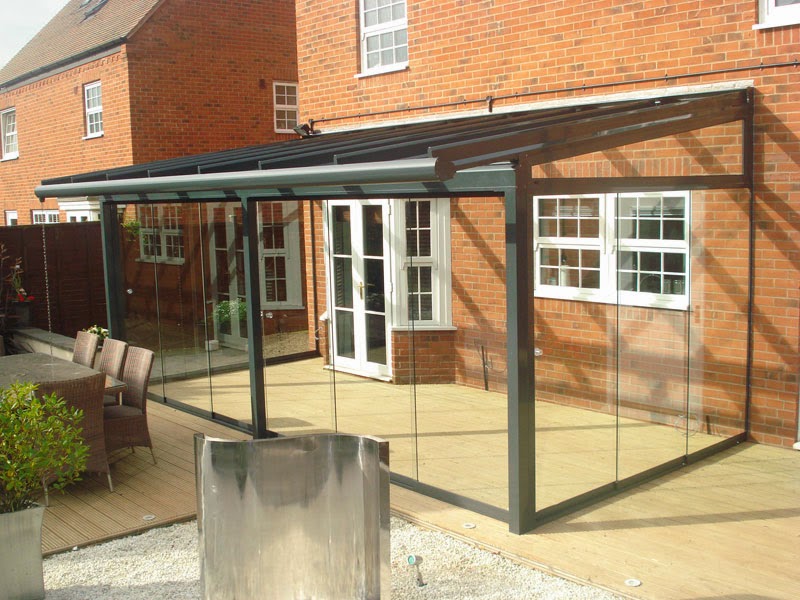
Outdoor improvements can be particularly useful for homeowners who want to make better use of their property. A deck or porch can create an area for dining, entertaining, or simply enjoying time outside without requiring a major addition to the home’s interior. According to John Burns Research & Consulting, 84% of installed decking and porches were completed on remodeled or repaired homes, compared with 16% on newly constructed properties.
A remodeling project does not necessarily have to involve changing the entire home. Smaller improvements can make individual spaces more practical while addressing specific needs. Updating an outdated room, improving storage, or replacing worn materials can make the property feel more comfortable without requiring a complete transformation.
Remodeling May Support Your Home Investment
Homeowners often consider the potential financial impact of remodeling before committing to a project. While no renovation can guarantee a specific return, improvements that address common needs or improve functionality may contribute to a property’s overall appeal. Planning the scope, materials, and expected costs carefully can help homeowners make more informed decisions about where to invest.
The potential return can vary considerably depending on the type of project, the property’s location, the quality of the work, and current market conditions. According to HomeGuide, most remodeling projects recover between 50% and 85% of their original investment. This range highlights why homeowners should consider both immediate benefits and longer-term value when deciding which improvements make sense for their property.
A successful remodel should also fit the home rather than simply follow the latest design trend. Durable materials, practical layouts, and improvements that address genuine problems can remain useful for years. Homeowners may also benefit from prioritizing projects that improve the way they use their property instead of focusing solely on cosmetic changes.
Budgeting is another important part of the planning process. Before beginning work, homeowners should account for materials, labor, permits where applicable, and potential unexpected costs. Establishing priorities early can make it easier to determine which improvements should be completed first and which can be addressed later.
Protecting the Home Is Part of Remodeling
Remodeling is not only about creating attractive spaces. Some projects focus on protecting the structure from problems that could become more expensive if left unresolved. Moisture is one example because water can affect materials, create damage, and contribute to ongoing maintenance concerns when it is not properly controlled.
Waterproofing can therefore be an important consideration for certain areas of a property, particularly spaces that are vulnerable to moisture exposure. According to BasementRemodeling.com, effective waterproofing can protect a home from damage and may increase its resale value by as much as 30%. Addressing moisture concerns during a remodeling project can help homeowners improve the condition of the property while potentially supporting its future value.
Protective improvements can also complement cosmetic upgrades. There is little benefit to creating a newly finished space if an underlying moisture problem remains unresolved. Taking care of structural and maintenance concerns first can provide a stronger foundation for improvements that focus on appearance and comfort.
Homeowners should also consider how individual projects work together. Exterior improvements, interior updates, and protective measures can all contribute to a property that is easier to maintain and more suited to everyday needs. Looking at the home as a whole can help ensure that remodeling decisions address both immediate concerns and longer-term priorities.
Remodeling can improve a home in ways that extend beyond a fresh appearance. Outdoor living areas can create additional usable space, interior projects can make rooms more functional, and protective upgrades can help address potential sources of damage. By considering the home’s condition, the intended use of each space, and the potential financial impact, homeowners can approach remodeling with a clearer understanding of what each project can accomplish.