
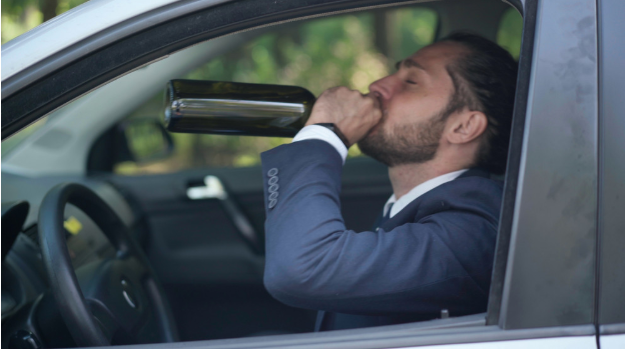
Drinking and driving is often discussed in terms of the penalties faced by the person behind the wheel. Fines, license suspension, court dates, and possible jail time are serious consequences, but they are only part of the story.
The greater concern is what impaired driving can do to everyone else on the road. A single decision to drive after drinking can affect passengers, pedestrians, cyclists, families, and completely uninvolved drivers. Understanding those consequences makes it clear why choosing a safer ride home is so important.
Rideshare Services Make Safer Choices More Accessible
Today, drivers have more alternatives than ever when they realize they should not be behind the wheel.
According to the Ohio Department of Health, over 30% of adults in Ohio report using rideshare services at least once a month. Services such as rideshare apps can provide a practical option for people who have been drinking and need a way home. Public transportation, designated drivers, taxis, or staying overnight may also be appropriate depending on the situation.
The key is making the transportation decision before drinking begins. Waiting until later can lead to poor judgment and unnecessary risk.
A short rideshare fare is far less significant than the consequences that can follow a serious crash.
A First DUI Can Carry Serious Penalties
The legal consequences of impaired driving can be severe even when it is a first offense.
According to the Ohio Bureau of Motor Vehicles, if you’ve been charged with a DUI and it is your first offense, potential penalties include a license suspension of six months to three years, fines of up to $1,000, and three days to six months in jail.
Those penalties can affect employment, finances, transportation, and family responsibilities.
Someone who loses driving privileges may suddenly need to find another way to commute to work, attend appointments, or handle everyday errands.
However, legal penalties are still secondary to the possibility of injuring another person. A license suspension eventually ends, but the effects of a serious collision may last a lifetime.
DUI Is One of the Most Common Criminal Offenses
One of the most common criminal law offenses is driving under the influence, or DUI, of alcohol. The frequency of the offense does not make it less dangerous. Instead, it shows how often drivers make a decision that has the potential to put innocent people at risk.
Impaired driving can affect reaction time, judgment, coordination, and the ability to respond appropriately to changing road conditions.
A driver may misjudge a turn, fail to recognize a traffic signal, drift into another lane, or react too slowly when traffic stops.
Any of those mistakes can involve someone who had no connection to the driver’s decision to drink.
Innocent Drivers Can Suffer Life-Changing Injuries
One of the most unfair aspects of drunk driving is that the person harmed may have done everything correctly.
A driver may be traveling within the speed limit, wearing a seat belt, and following traffic laws when an impaired motorist crosses into the lane.
The resulting injuries can include broken bones, head injuries, spinal injuries, internal trauma, and other serious conditions.
Recovery may involve surgeries, physical therapy, time away from work, and ongoing medical appointments.
Some victims may experience permanent limitations.
The person who chose to drink and drive may have made one reckless decision, but an innocent victim can be forced to live with the physical consequences for years.
Families Can Be Affected Too
A serious crash rarely affects only the people inside the vehicles.
Family members may suddenly become caregivers for an injured loved one. Parents may need to miss work, spouses may take on additional responsibilities, and children may experience major disruptions to everyday life.
In the most tragic cases, families can lose someone entirely.
No fine or court sentence can fully undo that kind of harm.
This is why drunk driving should be viewed as more than an individual mistake. The decision can create consequences for families and communities that had no role in it.
Financial Consequences Can Spread Beyond the Driver
Crashes can create significant financial damage.
Medical bills, vehicle repairs, lost wages, rehabilitation costs, and other expenses may affect injured victims.
Even when insurance covers portions of those costs, people may still experience deductibles, uncovered expenses, transportation problems, and time away from work.
A severely damaged vehicle can also leave someone without reliable transportation.
The impaired driver may face increased insurance costs and legal expenses, but innocent victims may experience financial disruption despite having done nothing wrong.
Pedestrians and Cyclists Are Especially Vulnerable
Not every impaired-driving crash involves two cars.
Pedestrians and cyclists have far less physical protection when struck by a vehicle.
An impaired driver who drifts toward a shoulder, fails to notice a crosswalk, or reacts too slowly can create devastating consequences.
People walking home, exercising, riding bicycles, or crossing a street have the same right to expect motorists to drive responsibly.
Choosing to drive while impaired transfers the risk of that decision onto everyone nearby.
Passengers Can Also Become Victims
People riding with an impaired driver may also face serious risks.
Friends sometimes assume that someone who has only had a few drinks is capable of driving safely, or they may be reluctant to challenge the person with the keys.
Passengers should take warning signs seriously.
If the driver appears impaired, finding another way home is the safer choice.
Friends can also help prevent drunk driving by taking someone’s keys, arranging a rideshare, or ensuring the person has somewhere safe to stay.
One Bad Decision Can Affect a Career
A DUI conviction may also create employment consequences.
Someone whose job depends on driving could lose access to company vehicles or become unable to perform essential duties.
Commercial drivers and workers in certain licensed professions may face additional complications.
Even employees who do not drive professionally may struggle if their license suspension makes commuting difficult.
Court dates, required programs, and other obligations may also interfere with work schedules.
The impact can extend far beyond the night of the arrest.
Vehicle Damage Can Be Extensive
Alcohol-related crashes can destroy vehicles even when occupants survive.
Modern vehicles are expensive to repair, and significant collisions may result in a total loss.
An innocent driver may suddenly need to navigate insurance claims, rental vehicles, replacement transportation, and financing for another car.
Personal belongings inside the vehicle may also be damaged.
All of these inconveniences originate from a decision that could often have been prevented by choosing not to drive after drinking.
Emotional Trauma Can Last Long After the Crash
Physical injuries are not the only consequences victims may experience.
Being involved in a serious collision can be frightening, particularly when the crash was sudden and unavoidable.
Some people may become anxious about driving again or feel uncomfortable traveling through the location where the crash occurred.
Family members can experience emotional stress as well.
The psychological impact of a collision may continue long after vehicles have been repaired and court cases have ended.
Planning Ahead Prevents Dangerous Decisions
One of the best ways to prevent impaired driving is to make a transportation plan before alcohol is involved.
If someone knows they will be drinking, they can arrange a designated driver, schedule a rideshare, use public transportation, or plan to stay overnight.
Friends can also make group transportation plans so nobody feels pressured to drive home.
These decisions are simple compared with the complications created by a DUI arrest or crash.
The safest approach is to remove driving from the equation entirely.
Friends Should Speak Up
Preventing impaired driving is not solely the responsibility of the person who has been drinking.
Friends and family members can intervene when someone appears ready to make a dangerous decision.
Offering a ride, calling a rideshare, taking away keys, or providing a place to sleep can prevent a tragedy.
It may feel uncomfortable to confront someone in the moment, but temporary frustration is far better than dealing with the aftermath of a serious crash.
The Consequences Extend Far Beyond the Driver
Drinking and driving is sometimes described as a personal mistake, but the consequences are rarely limited to one person.
Innocent drivers can suffer serious injuries, families can experience enormous emotional and financial burdens, and passengers, pedestrians, and cyclists can be placed in danger.
Legal penalties such as fines, license suspensions, and jail time reinforce how seriously impaired driving is treated, but preventing harm should be the greater motivation.
With rideshare services and other transportation alternatives widely available, there are many ways to avoid getting behind the wheel after drinking.
Choosing a safe ride home is a small decision that can protect countless people from consequences they never deserved.