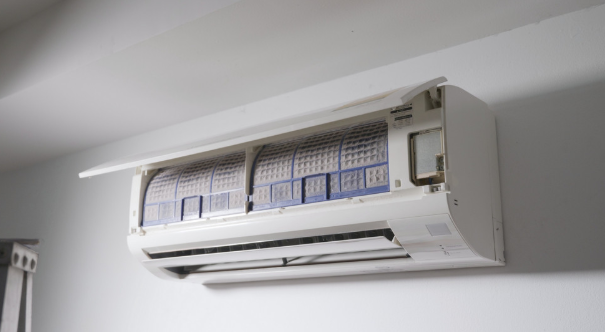
Improving HVAC efficiency is one of the most effective ways to reduce monthly energy costs while maintaining consistent indoor comfort. Heating and cooling systems account for a large portion of household energy use, so even small improvements in performance can lead to noticeable savings over time. Many homeowners do not realize that efficiency loss is often caused by preventable issues such as poor maintenance habits, lack of inspections, or systems that are operating beyond their ideal condition.
Keep Up With Regular Maintenance to Prevent Costly Damage
One of the most important steps in improving HVAC efficiency is keeping up with consistent maintenance. When systems are not cleaned or serviced regularly, dust, debris, and wear begin to affect airflow and performance. This forces the system to work harder than necessary, which increases energy usage and accelerates component deterioration. Over time, this added strain can also contribute to unexpected breakdowns that require expensive repairs.
Proper maintenance also plays a role in preventing more serious home issues. HVAC systems are closely connected to moisture control and airflow balance, which means neglect can lead to hidden damage inside the home. According to ZipDo, improperly maintained HVAC systems are responsible for about 12% of water damage claims, showing that inefficiency and neglect can extend beyond energy waste and contribute to structural or moisture-related problems.
When systems are kept in good condition, they run more smoothly and require less energy to maintain desired temperatures. This includes routine filter changes, keeping vents clear, and ensuring internal components are clean and functioning properly. Small maintenance habits can make a significant difference in both efficiency and long-term reliability.
Understand System Lifespan and Plan for Long-Term Efficiency
Every HVAC system has a natural lifespan, and efficiency tends to decline as the system ages. Even with regular maintenance, internal parts wear down over time, reducing the system’s ability to heat or cool efficiently. This often results in higher energy bills, longer run times, and inconsistent indoor temperatures.
Knowing how long a system is expected to last helps homeowners plan ahead and avoid paying more for inefficient operation. According to This Old House, an HVAC system can typically last between 15 and 20 years when it is properly maintained. Once a system approaches this age range, it becomes more likely that energy consumption will rise and repair needs will increase.
Planning for replacement before a system completely fails allows homeowners to avoid emergency costs and take advantage of newer, more efficient technology. Modern HVAC systems are designed to use less energy while delivering improved performance, which can significantly reduce long-term operating expenses.
Schedule Professional Inspections to Maximize Energy Savings
Professional HVAC maintenance plays a crucial role in maintaining efficiency and preventing energy waste. While homeowners can handle basic upkeep, trained technicians are able to detect issues that are not visible during routine cleaning or inspection. These hidden problems, such as refrigerant imbalances or electrical inefficiencies, can significantly reduce system performance if left unaddressed.
Regular professional servicing helps ensure that all components are operating at their intended capacity. This includes checking airflow, testing system controls, and verifying that the unit is running safely and efficiently. When these elements are not properly calibrated, the system often compensates by using more energy than necessary, which increases monthly utility costs.
Experts recommend that homeowners schedule routine professional maintenance on a consistent basis. According to Forbes, HVAC systems should receive a professional maintenance check at least once every year. This annual inspection helps ensure the system remains efficient, reduces the likelihood of breakdowns, and supports long-term performance. Improving HVAC efficiency requires a combination of regular maintenance, awareness of system lifespan, and consistent professional servicing.
When homeowners take a proactive approach, they can prevent small issues from becoming costly problems while also extending the life of their HVAC system. Over time, these habits lead to improved comfort, better performance, and significant long-term savings.