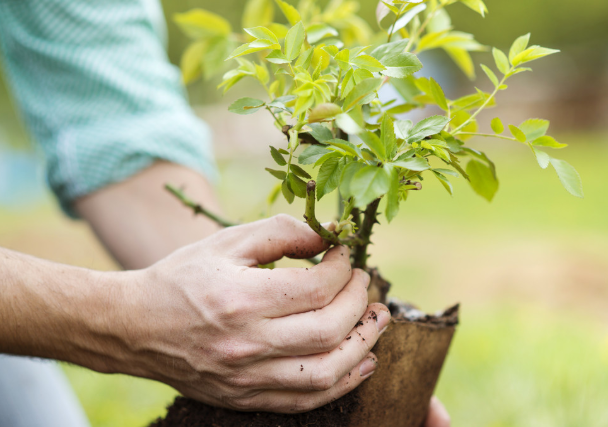
Trees can do more than add beauty and shade to a residential property. When thoughtfully planted and properly maintained, they can influence the comfort, privacy, and overall atmosphere around a home. From softening unwanted outdoor noise to helping regulate temperatures, trees can provide benefits that homeowners may not immediately notice. Understanding how trees affect the surrounding environment can help homeowners make smarter decisions about planting and maintenance.
Trees Can Help Reduce Outdoor Noise
Unwanted noise from nearby roads, neighbors, lawn equipment, and other sources can make a home feel less peaceful. Trees can provide a natural buffer between a home and some of these sounds. Their trunks, branches, and foliage can help interrupt sound as it travels through an outdoor space.
According to Gitnux, forested areas can reduce urban noise by approximately 5 to 10 decibels for every 100 meters of forest. While a residential yard typically does not contain a forest, strategically placed trees can still contribute to a more private and peaceful outdoor environment.
Trees may be particularly useful when planted between a home and a consistent source of outdoor noise. A combination of trees, shrubs, fencing, and other landscaping features can create a layered barrier that helps make a property feel more secluded.
Strategic Tree Placement Can Support Home Comfort
Where trees are planted can be just as important as having trees in the first place. Their location can influence how much sun and wind reach a home throughout the year. During warmer months, trees can provide shade that reduces direct sunlight on portions of a home, while their placement can also help buffer cold winds during winter.
According to a comprehensive environmental review published in Arboriculture & Urban Forestry, residential tree placement acts as a natural climate control mechanism, lowering residential winter heating demands by 10% to 15%.
For homeowners, this highlights why tree placement deserves consideration before planting. Trees should be positioned with the home’s orientation, existing structures, seasonal sunlight, and mature tree size in mind. A tree that provides helpful shade in the right location can contribute to outdoor beauty while also influencing the home’s surrounding microclimate.
Regular Trimming Helps Keep Trees Healthy
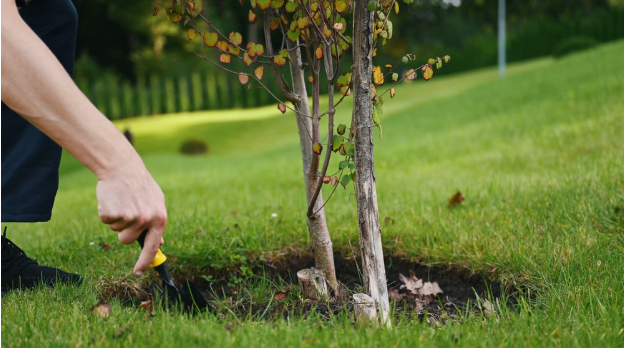
Planting trees is only the beginning. Mature trees require ongoing care to remain healthy, structurally sound, and appropriate for their surroundings. Overgrown or damaged branches can become a concern when they extend toward roofs, power lines, driveways, or other structures.
Routine trimming can help manage growth and remove branches that are dead, damaged, or poorly positioned. It can also help maintain the tree’s appearance and prevent excessive growth from interfering with other landscaping.
According to Lawn Love, trees generally need to be trimmed every 3 to 5 years. However, the ideal schedule can vary depending on the tree’s species, age, condition, growth rate, and location. Some trees may require attention sooner if they develop damaged or hazardous branches.
Trees Can Enhance Outdoor Privacy
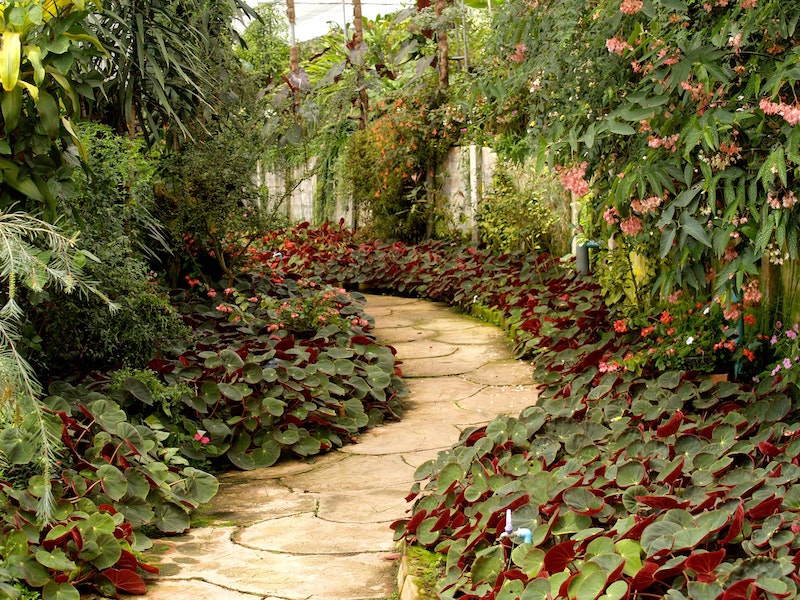
Trees can also make a property feel more private and secluded. Dense foliage can help block views from nearby homes, streets, and other surrounding properties while creating a natural visual barrier. Evergreen trees can provide privacy throughout the year, while deciduous varieties can add seasonal coverage and shade. When selecting trees for privacy, homeowners should consider their mature height and width to ensure they have enough space to grow without interfering with structures or utilities.
Thoughtful Landscaping Can Make a Difference
Homeowners do not necessarily need to fill their yards with trees to enjoy their potential benefits. Instead, thoughtful planning can help homeowners choose appropriate species and locations for their specific properties.
Consider where noise enters the property, which parts of the home receive the most sunlight, and whether existing trees are growing too close to structures. It is also important to consider how large a tree may become rather than choosing a planting location based solely on its current size.
Working with a professional can make it easier to evaluate existing trees and determine which maintenance or planting strategies make sense for the property. Proper care can help trees remain an asset rather than becoming a source of avoidable problems.
Trees can contribute much more to a home than curb appeal. They can help create a quieter outdoor environment, influence the home’s surrounding climate, and provide shade and visual privacy. With strategic placement and regular maintenance, homeowners can enjoy these benefits while keeping their landscapes healthy and attractive. For homeowners considering new plantings or evaluating existing trees, thoughtful planning and professional tree care can help maximize what their landscape has to offer.