
Planning a move can be an exhilarating yet daunting task, with numerous factors to consider to ensure a smooth transition. Whether you’re relocating to a new city or just across town, effective preparation can make your moving experience significantly less stressful. This article explores essential tips and strategies, from budget planning to packing, to help you prepare effectively for your upcoming home relocation.
Preparing Financially for a Move
A significant aspect of preparing for a move involves budget planning to cover the various expenses incurred. According to ConsumerAffairs, local moves on average cost around $1,250, while long-distance moves could set you back approximately $4,890. These figures emphasize the importance of setting aside savings specifically for moving. It is essential to create a moving budget to account for transportation, packing supplies, and potential additional costs, such as storage or insurance. Having a well-planned financial outline reduces the risk of unexpected expenses and strains on your finances. Planning ahead financially allows you to concentrate on other aspects of your move, ensuring a seamless transition to your new home.
Incorporating a buffer within your budget is also prudent, as unforeseen costs can arise unexpectedly. Consider reaching out to friends or family who have moved recently for advice on realistic cost estimations. With careful financial planning, you can approach your home relocation with confidence, knowing that you are financially prepared for the journey ahead.
Efficiently Organizing Your Belongings
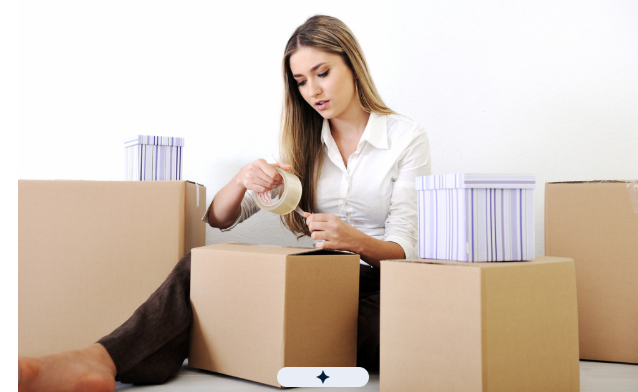
Packing is a significant portion of the moving process and can be daunting unless approached with an effective strategy. According to Today’s Homeowner, packing an average household requires approximately 13 hours. Utilizing systematic packing techniques can streamline the process, making it more efficient and less overwhelming. Begin by categorizing items based on their size, room, and fragility, which aids in prioritizing the packing order. Utilize sturdy boxes and protective materials such as bubble wrap to ensure your belongings’ safety during transit. Packing room-by-room can help keep things organized, preventing any items from being misplaced or damaged.
Labeling boxes clearly with their contents and the room they belong to in the new home facilitates an easier unpacking process. Implementing a structured packing plan ensures that all items are systematically arranged and can prevent last-minute chaos. Additionally, reserving a few essential items separately for immediate access will make settling into your new home more convenient and comfortable.
When to Relocate for Optimal Convenience
Choosing the right time to move can significantly affect the ease and cost of your relocation. According to Fact Bites, the peak moving season spans from May to August, accounting for nearly 60% of all moves. Understanding peak times can help you plan your move when professional movers and resources are more readily available. Opting for an off-peak season move may result in cost savings and greater availability of preferred moving services. If possible, try to schedule your move on weekdays in the middle of the month, as these times are less in demand. By carefully selecting your moving date, you can enhance the transition experience by reducing potential delays and inconveniences.
It’s crucial to consider your personal timeline as well; factor in your work commitments, children’s school schedules, or other obligations that might influence your moving timeline. Good timing ensures not only financial benefits but also minimizes disruptions to your usual daily life. By being strategic about when you choose to move, you pave the way for a smoother transition to your new home.
Moving home can be a complex and rigorous endeavor, but with detailed preparation, it can also be an exciting opportunity for a fresh start. By focusing on financial planning, creating an effective packing strategy, and carefully timing your move, you can alleviate much of the stress associated with relocation. Remember to start this process well in advance of your moving date to allocate ample time for each of these critical steps.
Ultimately, moving is more than just transporting belongings; it’s about creating a new space that feels like home. With meticulous planning and preparation, you turn the potentially daunting task of moving into a rewarding and enjoyable experience. May your efforts be rewarded with a smooth, seamless transition and a beautiful beginning in your new home.