

Selling a home is both a financial decision and a strategic process. While market conditions play a role in determining how quickly a property sells and at what price, homeowners have more control than they may think. From understanding tax implications to prioritizing the right repairs and knowing who your buyers are, thoughtful planning can significantly increase your return. By focusing on smart preparation and informed decisions, you can position your property to attract strong offers and walk away with greater profit.
Understand The Tax Benefits Before You List
One of the most overlooked strategies for maximizing profit happens before the home even hits the market: understanding capital gains tax exclusions. According to the IRS, married couples who sell their primary residence together may qualify for a capital gains exclusion of up to $500,000 on their profit. However, if only one spouse sells the home, that exclusion may be reduced to $250,000.
This distinction can have a major impact on your net proceeds. If you are married, timing and ownership details matter. Ensuring that both spouses meet residency and ownership requirements before listing could significantly reduce your taxable gain. Consulting a tax professional early in the process can help you structure the sale in a way that preserves more of your profit.
Beyond exclusions, sellers should also keep records of home improvements made over the years, as these may increase the property’s cost basis and reduce taxable gains. Strategic tax planning is not just for investors—it is an essential step for everyday homeowners aiming to protect their equity.
Invest In Repairs That Buyers Notice
Preparing a home for sale often requires deciding which upgrades are worth the expense. While cosmetic improvements can boost appeal, structural elements often carry more weight. According to Zillow, 18% of homeowners reported repairing or replacing their roof before putting their property on the market.
A roof is one of the most visible and scrutinized components during inspections. Buyers are hesitant to take on large-ticket repairs immediately after closing, and a damaged or aging roof can lead to lower offers or failed negotiations. Addressing roofing issues in advance can eliminate objections, improve appraisal outcomes, and increase buyer confidence.
That said, not every repair guarantees a high return. Sellers should focus on improvements that directly affect safety, functionality, and perceived value. Updating major systems, fixing leaks, and ensuring compliance with local building codes often deliver stronger returns than purely aesthetic changes. The goal is to remove potential red flags that might give buyers leverage during negotiations.
Understand Who Is Buying
Knowing your target audience can also shape your pricing and marketing strategy. According to the National Association of Realtors, roughly 26% of homebuyers are purchasing a home for the first time. That means more than one in four potential buyers may be navigating the process without prior experience.
First-time buyers often prioritize affordability, move-in readiness, and clear inspection reports. They may be less inclined to take on extensive renovations or unexpected repairs. If your home is well-maintained and competitively priced, it can be particularly appealing to this large segment of the market.
Marketing materials should highlight features that resonate with these buyers, such as energy efficiency, updated systems, and low maintenance needs. Offering transparency through pre-listing inspections or detailed property disclosures can also build trust and speed up decision-making. Understanding buyer demographics helps sellers position their property more effectively and attract serious offers.
Price Strategically And Negotiate Wisely
While upgrades and tax planning are essential, pricing remains one of the most powerful profit-maximizing tools. Overpricing can lead to prolonged market time and eventual price reductions, which may signal weakness to buyers. Underpricing, on the other hand, can leave money on the table.
Analyzing comparable sales, current market trends, and buyer demand in your area can help determine a competitive yet profitable price point. Working with a knowledgeable real estate professional can further refine your strategy, especially when navigating multiple offers or contingencies.
In negotiations, focus on the overall net profit rather than just the sale price. Factors such as closing costs, repair credits, and timing can influence your outcome. A slightly lower offer with fewer contingencies may ultimately deliver a smoother and more profitable transaction.
Maximizing profit when selling your property requires more than simply listing it and hoping for strong offers. By understanding tax advantages, prioritizing meaningful repairs, and recognizing current buyer demographics, you can make informed decisions that protect your equity. Careful preparation and strategic planning ensure that when the sale closes, you retain as much of your hard-earned investment as possible.
More from Ghar360 Blog
 7 Good Reasons Why You Should Know the Value Of Your Property
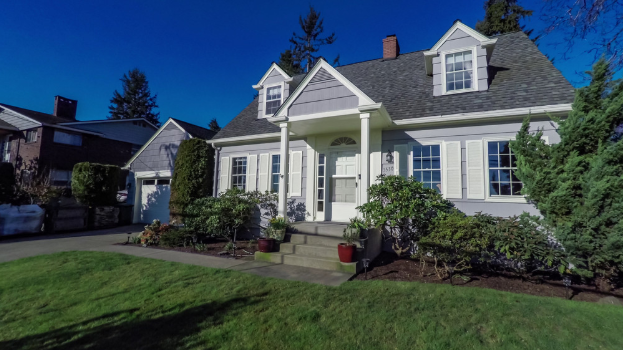 How Adding Curb Appeal Can Significantly Increase Your Home’s Value When Looking to Sell
 Thinking About Adding a Shade Tree?
 How Corporate Income Tax Deductions Can Benefit Your Office Renovation Costs
 From Fences to Outdoor Kitchens: Smart Yard Additions for Maximizing Property Value