Outdoor living spaces can give homeowners more ways to use their properties while creating comfortable areas for relaxing, entertaining, and spending time with family. From patios and pools to well-maintained lawns, these features can influence how a backyard looks and functions. Understanding the maintenance needs, timing, and buyer preferences associated with outdoor spaces can help homeowners make more informed decisions about their properties.
Consider the Long-Term Needs of a Pool
A backyard pool can become a major part of an outdoor living space, but homeowners should consider its expected lifespan and ongoing maintenance before making an investment. Pool surfaces, equipment, plumbing, filters, and other components may require attention over time, even when the overall structure remains usable. Regular maintenance can help identify developing problems before they become more extensive and potentially more expensive to address.
The type of pool can also affect how long homeowners may expect it to remain in service. According to Fixr, properly maintained in-ground pools generally have a lifespan of about 30 years or more, while above-ground pools typically remain usable for approximately 15 to 20 years. These differences can be useful when homeowners are comparing pool options, planning future expenses, or considering how long they intend to remain in their homes.
Maintenance should remain part of the planning process after installation. Homeowners may need to account for cleaning, water treatment, equipment inspections, repairs, and seasonal preparation. Keeping these responsibilities in mind can make it easier to maintain a pool as a functional part of the overall outdoor living area rather than treating it as a feature that requires attention only when something goes wrong.
Pay Attention to Lawn Care Timing
A healthy lawn can make an outdoor space feel more inviting and provide a practical surface for activities, gatherings, and everyday use. However, maintaining grass requires more than simply watering whenever the lawn appears dry. Homeowners should consider local weather, seasonal conditions, soil characteristics, and the timing of routine lawn care when developing a maintenance schedule.
The timing of watering can have a meaningful role in lawn care. According to This Old House, watering grass between 4 a.m. and 10 a.m. is considered an ideal window for achieving better results. Watering during the earlier part of the day can give grass access to moisture before the heat of the afternoon becomes more intense, while avoiding some of the conditions that can make later watering less effective.
Homeowners can also look at the condition of their lawns when determining how much attention is needed. Brown patches, thinning grass, standing water, and consistently dry soil can indicate that a lawn care routine needs to be adjusted. Paying attention to these signs can help homeowners avoid wasting water while supporting a healthier and more usable outdoor environment.
Think About What Outdoor Areas Offer Buyers
Outdoor living features can serve homeowners while they live in a property, but they may also influence how prospective buyers view a home. Patios, in particular, can create dedicated areas for outdoor dining, entertaining, relaxing, and enjoying the surrounding property. A thoughtfully designed patio can also provide a transition between indoor rooms and the backyard, making the overall property feel more connected.
Outdoor patios are a feature many buyers actively seek when considering a home. According to Kiplinger, 87% of homebuyers want an outdoor patio area. This figure highlights why homeowners may want to consider the usability and condition of outdoor spaces when making improvements, particularly if selling the property is part of their long-term plans.
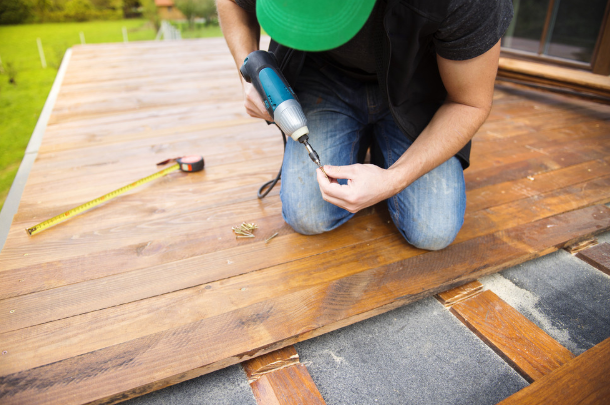
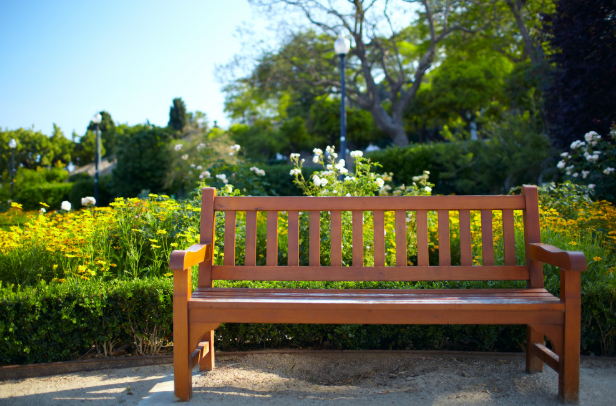
Homeowners do not necessarily need to make major changes to create a useful outdoor area. Improvements such as comfortable seating, appropriate lighting, functional pathways, shade, and well-maintained landscaping can make an existing space easier to use. The most practical approach is to consider how the space will function on a regular basis and whether improvements complement the home’s existing layout.
Outdoor living works best when individual features complement one another rather than functioning as disconnected additions. A pool, lawn, patio, landscaping, lighting, and seating areas can all contribute to how a backyard feels and operates. Homeowners should consider maintenance requirements, available space, personal preferences, and future plans before committing to significant upgrades.
It can also help to think about how outdoor spaces will be used throughout the year. A patio may provide a place for meals and gatherings, while a lawn can offer flexible space for recreation and relaxation. A pool may become the centerpiece of the backyard, but its maintenance requirements should be considered alongside the upkeep required for the rest of the property.
Ultimately, outdoor living is about creating a property that works well for the people who use it. Homeowners who understand the practical requirements of their outdoor features can make improvements with clearer expectations. Whether the goal is to enjoy the backyard more often, prepare the property for future buyers, or simply maintain its appearance, thoughtful planning can help outdoor spaces remain useful for years to come.
Outdoor living areas can add functionality and enjoyment to a home, but they require ongoing consideration and care. Understanding the lifespan of major features, maintaining the lawn at appropriate times, and recognizing what buyers value can help homeowners approach outdoor improvements more strategically. By focusing on practical use and long-term upkeep, homeowners can create exterior spaces that better support both everyday living and future property goals.