In maintaining comfort within the confines of your home, having a reliable HVAC system is crucial. However, knowing when to replace your HVAC unit is equally important to ensure efficient operation and energy savings. This article will guide you on recognizing the right timing to invest in a new HVAC system.
The Life Expectancy of an HVAC Unit
The average lifespan of an HVAC unit typically ranges between 12 to 15 years. After this period, even the most robust systems may start showing signs of wear and inefficiency. As these units age, the likelihood of breakdowns and the need for frequent repairs increase, impacting both comfort and expenses.
As units near the end of their useful life, homeowners must consider investing in a newer model. With technological advancements, new models offer improved energy efficiency and enhanced features. By adopting a proactive approach, you can ensure your home remains comfortable throughout the year.
Evaluating the age of your current HVAC system can help determine the necessity for replacement. For many homes, waiting until the unit fails can result in inconvenient, untimely breakdowns. Addressing issues beforehand can lead to a smoother transition and prolonged comfort within your home.
The Growth of the HVAC Market
The HVAC industry is experiencing significant growth, with projections indicating that sales of HVAC units may surpass 151 million in 2024, according to Onedesk. This growth reflects the increasing demand for modern heating and cooling solutions. Homeowners are more inclined than ever to invest in efficient, reliable systems.
With advancements in technology, new HVAC units offer better performance and energy efficiency, reducing energy bills and the carbon footprint of a home. This increase in market size also indicates competitive pricing and more options available for consumers. As demand rises, manufacturers continue innovating to cater to eco-conscious homeowners.
The increased sales reflect the trend towards upgrading to energy-efficient systems, driven by both necessity and environmental consciousness. This trend ensures that homeowners have ample choice to select a unit tailored to their specific needs. Hence, understanding market dynamics is essential for making informed decisions when it’s time to replace your system.
Availability of HVAC Professionals
In 2023, the United States was home to 111,849 Heating and Air-Conditioning contractors, as noted by IBISWorld. The abundance of experienced professionals makes it easier for homeowners to find reliable services. The availability of numerous contractors ensures competitive prices and timely installations.
Having access to numerous contractors means homeowners can readily find experts who specialize in modern and advanced HVAC systems. This variety allows consumers to compare estimates, ensuring a fair price for quality service. Engaging with experienced contractors ensures that your system is installed correctly, optimizing performance and longevity.
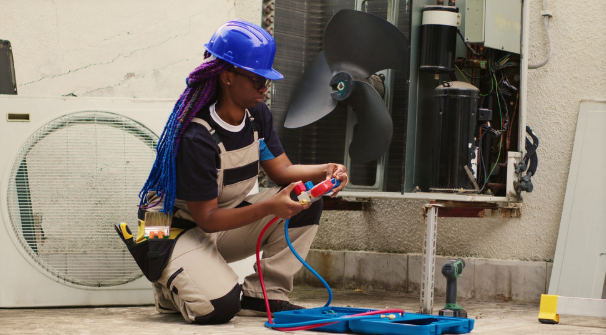
Before committing to a contractor, homeowners should evaluate reviews and credentials to ensure they receive the best service. With many options available, leveraging this abundance to find the right professional for your home’s needs is essential. An experienced technician can offer maintenance tips and ensure your system operates at peak performance.
Recognizing Signs for Replacement
Understanding the key indicators that signal the need for an HVAC replacement can save homeowners from unexpected issues. An increase in energy bills without a change in usage often signals inefficiency. Unusual noises, uneven temperatures, and excessive repairs are additional red flags.
Addressing these signs promptly prevents minor issues from escalating into major repairs. Regular maintenance checks by professionals can reveal hidden problems, ensuring potential issues are tackled early. Being proactive in monitoring your unit’s performance helps prolong its lifespan and maintain home comfort.
By understanding these indicators and acting promptly, homeowners can avoid discomfort and higher costs. Investing in a new system offers both peace of mind and tangible benefits such as consistent temperatures and lower energy expenses. Therefore, keeping an eye on these signs is crucial for timely replacements.
Making the Decision
Deciding to replace an HVAC unit is not solely about functionality; it’s an investment in your home’s comfort and efficiency. Weighing the costs of continual repairs against investing in a new unit can guide your decision. Besides financial considerations, newer systems provide benefits like improved air quality and enhanced comfort.
Once the decision is made, selecting the right unit involves assessing your specific cooling and heating requirements. Energy ratings and manufacturer reviews can provide insight into the best options for your home. Establishing a relationship with a trusted contractor can also aid in navigating the myriad options available in the market.
Ultimately, replacing your HVAC system at the right time ensures you maintain a comfortable home environment while optimizing energy use. By staying informed on industry trends and consulting with experts, you can make a decision that assures long-term benefits. A strategic approach to replacement guarantees comfort, efficiency, and satisfaction, safeguarding your home for years to come.
Understanding when to replace your HVAC unit is crucial for maintaining home comfort and efficiency. By keeping track of your system’s age, market trends, and available contractors, you can make informed decisions. With the right approach, upgrading your unit can bring long-term advantages to your abode.