
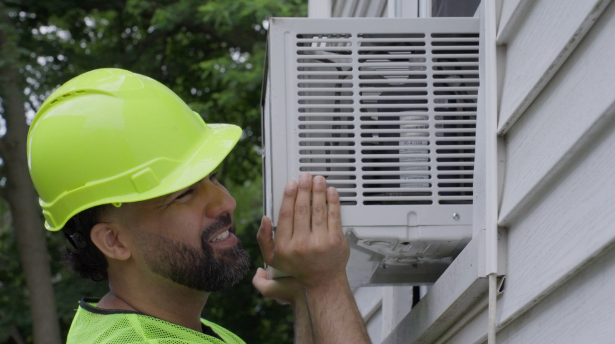
When the utility bill arrives, it’s easy to assume lights, electronics, and appliances are behind the cost. In most homes, though, the biggest share of energy goes toward keeping indoor temperatures comfortable. Understanding where your energy dollars go is the first step toward spending fewer of them. With a few simple habits and the right professional help, you can make your heating and cooling system work more efficiently and keep more money in your budget.
Heating and Cooling Use the Most Energy
Your HVAC system works harder than almost anything else in your home. According to Bob Vila, close to half of all the energy used in a typical U.S. home goes toward heating and cooling. That means even small improvements in efficiency can have a big effect on your monthly bills.
Several factors influence how much energy your system uses. The age and efficiency rating of your equipment, the quality of your insulation, air leaks around windows and doors, and the condition of your ductwork all play a role. Even your thermostat settings and daily habits can make a noticeable difference over the course of a year.
Start by looking for easy wins. Seal drafts with weatherstripping and caulk, close curtains on hot afternoons and open them on sunny winter days, and use ceiling fans to help circulate air. A programmable or smart thermostat can also reduce energy use by adjusting temperatures automatically when you’re asleep or away.
Start With a Clean Air Filter
One of the simplest ways to improve your system’s efficiency is also one of the most overlooked. Your HVAC filter traps dust, pollen, pet hair, and other particles before they can circulate through your home. Over time, though, it fills up, making it harder for air to pass through.
A clogged filter forces your system to work harder and use more energy. The U.S. Department of Energy reports that swapping out a dirty filter for a clean one can reduce an air conditioner’s energy use by 5% to 15%. A clean filter also helps protect the system’s components from dust buildup and can improve your home’s indoor air quality.
Check your filter regularly and replace it when it looks dirty or gray. Homes with pets, allergies, or lots of foot traffic may need more frequent changes. Write the date on each new filter or set a phone reminder so you don’t lose track, and keep a few spares on hand so a replacement is always ready.
Know When to Call a Professional
Some maintenance tasks are easy to handle yourself, but others require training and specialized tools. Checking refrigerant levels, cleaning coils, testing electrical connections, and inspecting ductwork are best left to a qualified technician who can spot problems before they lead to costly breakdowns.
Fortunately, skilled help is widely available. Workyard reports that the U.S. employs nearly 400,000 HVAC mechanics and installers. These professionals can tune up your existing equipment, recommend efficiency upgrades, and help you choose the right system when it’s time for a replacement.
Schedule a maintenance visit at least once a year, ideally before the start of the heating or cooling season. When hiring a technician, look for proper licensing, insurance, and positive reviews, and ask about maintenance plans that include regular checkups at a discounted rate.
Small Changes, Lasting Savings
Heating and cooling may take up the largest share of your energy budget, but you have more control over those costs than you might think. By making simple efficiency improvements, changing your air filter regularly, and partnering with a trusted HVAC professional, you can stay comfortable year-round while spending less on energy.
More from Ghar360 Blog
 Your Windows Might Be Your Home’s Biggest Energy Problem
 Is Your Furnace or AC Due for Replacement? Learn What to Consider Before Updating Your Unit
 Are Your Window Coverings Costing You More in Energy Bills?
 3 Common HVAC Problems Homeowners Experience and How Pros Fix Them
 3 Winter Upgrades That Make Your Home Feel Brand-New