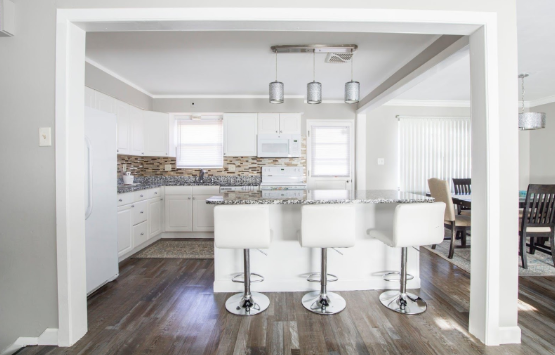

Planning a kitchen remodel is an exciting opportunity to improve one of the most used spaces in your home, but it can also feel overwhelming without a clear strategy. From setting a realistic budget to choosing the right upgrades and preparing for construction logistics, thoughtful planning makes all the difference. A successful remodel balances functionality, style, and cost while minimizing stress and surprises along the way. By understanding where homeowners typically invest their money and how to prepare your space before work begins, you can approach your kitchen renovation with confidence and clarity.
Set Priorities and Build a Realistic Budget
One of the most important steps in planning a kitchen remodel is understanding where your budget is likely to go. Kitchens are complex spaces with many components, but some elements tend to consume a larger share of renovation costs than others. Cabinets, in particular, are often one of the biggest expenses. Industry insights show that cabinetry alone can make up 29% of the total cost of a kitchen remodel, making it essential to plan this portion of your budget carefully.
Because cabinets play both a functional and visual role, homeowners should decide early whether they want stock, semi-custom, or fully custom options. Stock cabinets are more affordable and quicker to install, while custom cabinetry offers flexibility in layout, materials, and finishes at a higher price point. Knowing that nearly a third of your budget may go toward cabinets helps you weigh trade-offs, such as choosing simpler door styles or alternative materials to stay within budget.
Beyond cabinets, it’s important to factor in labor, appliances, lighting, plumbing, and permits. Setting aside a contingency fund for unexpected issues—such as electrical updates or hidden water damage—can prevent financial stress mid-project. A detailed budget aligned with your priorities ensures you spend where it matters most without compromising the overall vision.
Plan for Popular and High-Impact Upgrades
When planning a kitchen remodel, it’s helpful to look at trends and homeowner behavior to understand which upgrades deliver the most satisfaction. Countertops are one of the most commonly updated features during a kitchen renovation. In fact, data shows that 91% of homeowners who remodeled their kitchens in 2022 chose to install new countertops. This overwhelming majority highlights just how central countertops are to both the look and usability of the space.
New countertops can dramatically transform a kitchen, even if the layout stays the same. Materials like quartz, granite, and solid surface options offer durability, low maintenance, and modern aesthetics. When choosing countertops, consider how you use your kitchen daily. Busy households may prioritize stain resistance and easy cleaning, while avid cooks may value heat resistance and workspace durability.
Planning ahead is crucial because countertop choices can influence other design decisions, including cabinet color, backsplash style, and lighting. Lead times for fabrication and installation should also be considered, as custom countertops can extend the project timeline. By recognizing that countertops are a near-universal upgrade, homeowners can confidently allocate time and budget to this impactful element of their remodel.
Prepare for Demolition and Construction Logistics
A kitchen remodel isn’t just about finishes and fixtures—it also involves practical planning for demolition and debris removal. Many homeowners underestimate how much waste a renovation can generate, even in smaller projects. Proper planning for cleanup keeps your project organized, safe, and on schedule. For modest kitchen renovations, guidance from home improvement resources indicates that a 15-yard dumpster is well-suited for small kitchen remodels, as well as related tasks like minor demolition, concrete removal, or siding disposal.
Choosing the right dumpster size helps avoid unnecessary costs and delays. A container that’s too small may require multiple hauls, while one that’s too large can take up valuable driveway or yard space. Coordinating dumpster delivery before demolition begins ensures contractors can work efficiently without clutter or safety hazards.
In addition to waste management, consider how construction will affect daily life. Temporary kitchen setups, dust control, and clear communication with contractors all contribute to a smoother experience. Planning these logistics in advance reduces stress and keeps your focus on the end result rather than day-to-day disruptions.
Think Long-Term and Plan with Confidence
A kitchen remodel is a significant investment, and smart planning helps ensure that investment pays off in comfort, functionality, and home value. By understanding major cost drivers like cabinetry, prioritizing popular upgrades such as countertops, and preparing for practical needs like debris removal, homeowners can approach their renovation with a clear roadmap.
Taking the time to plan each phase—from budgeting to design to construction logistics—creates a more efficient process and a better final outcome. A well-planned kitchen remodel not only enhances daily living but also adds lasting value to your home, making the effort well worth it in the years to come.