Pest control has a reputation as a reactive expense: something homeowners pay for after a problem announces itself. But the most affordable pest management happens long before a technician gets called, and much of it costs less than a single service visit.
Prevention works because it targets the three things every pest needs—a way in, something to eat, and somewhere sheltered to nest. Remove those, and populations either never establish or stay small enough that a professional can resolve them quickly. Here are the methods that deliver the most protection per dollar spent.
Sealing Entry Points Is the Highest-Return Work Available
Exclusion—physically closing the gaps pests use to get inside—is unglamorous, one-time work that keeps paying off for years.
Mice can squeeze through openings roughly the diameter of a pencil. Insects need far less. A weekend with a caulk gun, steel wool, expanding foam, and door sweeps addresses the majority of common entry points: gaps around utility penetrations, worn weatherstripping, unsealed dryer vents, cracked mortar, and the space beneath exterior doors.
Steel wool packed into gaps before caulking matters, since rodents will chew through foam and caulk alone. Hardware cloth over crawlspace vents and chimney caps handles the larger openings. Total material cost typically lands under a hundred dollars, and the work doesn’t need repeating annually.
Rodent Prevention Beats Rodent Removal by a Wide Margin
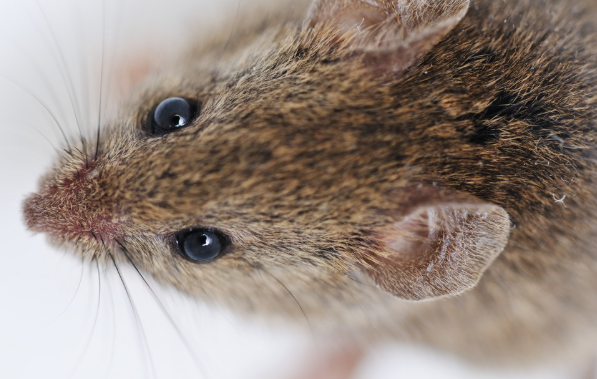
The case for acting early on rodents comes down to arithmetic. Each female mouse can produce up to ten litters a year with up to 14 baby mice per litter. She’s also immediately ready to mate again, making it possible for her to produce yet another litter in just 25 days.
The average size of a mouse’s litter is 10 to 12, which means even a typical reproductive rate compounds aggressively. Offspring reach breeding age within weeks and begin producing litters of their own, so a small problem in October becomes a structural one by February.
Prevention costs almost nothing relative to that curve. Store dry goods, pet food, and birdseed in sealed containers rather than original packaging. Keep garbage in bins with tight lids. Clear clutter from garages, basements, and storage areas, since cardboard boxes and stacked materials provide exactly the nesting habitat rodents need. Address moisture problems, because rodents need water sources as much as food.
Landscaping Choices Make a Measurable Difference
The area immediately surrounding a foundation determines how much pest pressure a home experiences, and adjustments here cost only time.
According to the University of New Hampshire, homeowners should keep mulch 2-3 inches away from the base of plants to prevent conditions that encourage diseases or attract rodents. The same principle applies to the house itself. Mulch, soil, and organic debris piled against siding create a moist, protected corridor that insects and rodents travel freely.
Beyond mulch spacing, a few adjustments carry outsized value. Trim tree limbs so they don’t touch the roofline, since branches function as bridges for rodents and carpenter ants. Maintain a clear band of a foot or more between shrubs and exterior walls to eliminate hidden approach routes. Move firewood stacks well away from the structure and elevate them off the ground. Rake leaf litter away from the foundation, especially in fall.
Grading matters, too. Soil that slopes toward the house holds moisture against the foundation, and persistent dampness attracts everything from termites to springtails.
Moisture Control Removes What Most Pests Are Looking For
Water draws pests more reliably than food does. Cockroaches, silverfish, carpenter ants, and termites all seek out damp conditions, and many will bypass an otherwise attractive food source to stay near reliable moisture.
Fixing a dripping faucet or running toilet is inexpensive and eliminates a standing water source. Cleaning gutters twice a year prevents overflow that saturates soil along the foundation. Extending downspouts several feet from the house moves roof runoff away rather than depositing it at the base of the structure. Running a dehumidifier in a damp basement or crawlspace changes conditions across an entire lower level.
Ventilation deserves attention as well. Bathroom and kitchen exhaust fans that actually vent outside, rather than into an attic, prevent the humidity buildup that supports pest populations in spaces homeowners rarely inspect.
Sanitation Habits Cost Nothing but Consistency
Routine kitchen and dining habits do quiet, ongoing work. Wiping counters nightly, sweeping under appliances periodically, running the dishwasher rather than leaving dishes to sit, and taking out trash before it accumulates all reduce the food availability that sustains insect populations.
Pet feeding areas deserve specific attention. Bowls left out overnight function as an open buffet for roaches, ants, and rodents. Feeding on a schedule and removing bowls afterward closes that gap entirely.
Outdoor areas count as well. Grills with accumulated grease, uncovered compost, and recycling bins with residue in the containers all draw activity toward the structure.
Regular Inspection Catches Problems While They’re Cheap
Prevention only works if someone is checking whether it’s holding. A seasonal walk-around—inspecting the foundation for new cracks, checking that door sweeps still seal, looking for droppings in storage areas, and noting any moisture staining—takes an hour and surfaces issues while they’re still minor.
Early evidence is worth acting on immediately. Droppings behind an appliance, sawdust-like frass near woodwork, or mud tubes along a foundation each indicate an active problem that will only get more expensive to resolve.
Prevention doesn’t eliminate the need for professional treatment in every case. What it reliably does is shrink the size, duration, and price of whatever treatment ends up being necessary.