Outdoor spaces can serve purposes far beyond having a lawn or patio. With thoughtful planning, a property can gain areas for cooking, entertaining, storage, recreation, and specialized projects that make better use of the available space.
Whether you’re improving a residential property or creating a more functional outdoor area for gatherings, the right upgrades can combine practical benefits with long-term value. From custom-built features to sanitation planning and outdoor kitchens, several considerations can shape how successful an outdoor project ultimately becomes.
Build Outdoor Features Around How You Use Your Property
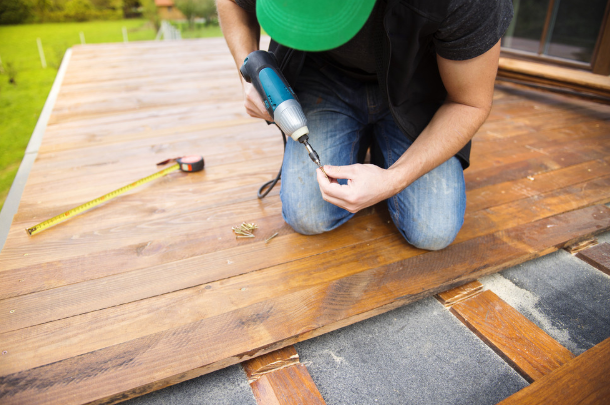
The most useful outdoor improvements are usually the ones designed around actual activities. A homeowner who regularly entertains may benefit from an expanded patio or cooking area, while someone who enjoys hands-on projects might need custom metal components, storage structures, or other fabricated features.
Precision can be particularly important when outdoor projects involve custom components. Measurements, materials, and equipment settings can affect whether a finished piece fits correctly and performs as intended. This is where specialized machinery can make a difference, particularly when working with different types of metal.
Drilling is one example. According to greatcncmachine.com, CNC drilling equipment can operate at speeds reaching 3,000 to 5,000 RPM, while working with stainless steel can call for considerably slower speeds of about 500 to 1,500 RPM. The difference illustrates why fabrication work isn’t simply about operating equipment as quickly as possible. Material characteristics and the requirements of the finished component need to influence how machinery is used.
For outdoor improvements, properly fabricated components can contribute to structures such as railings, gates, frames, brackets, and other custom features. Careful planning at this stage can help an outdoor project function properly while also giving it a finished appearance that complements the property.
Plan for Sanitation When Hosting Outdoors
Outdoor improvements can also make a property better suited for entertaining. A larger patio, event area, lawn, or gathering space may allow homeowners or organizations to host celebrations and other activities that wouldn’t comfortably fit indoors.
However, larger outdoor gatherings create practical responsibilities that shouldn’t be overlooked. Restrooms and waste management are among the logistical details that can become especially important when an event brings a significant number of people onto a property without access to permanent facilities.
Temporary sanitation services provide an option for these situations. According to the Portable Sanitation Association International (PSAI), professional sanitation operators manage large-scale event rental deployments while following environmental waste-handling procedures designed to protect the public from exposure to raw sewage during temporary outdoor events.
This highlights an important part of outdoor planning: enjoyable spaces still require infrastructure. A property owner planning a large gathering may need to think about restroom placement, servicing, waste collection, pedestrian access, parking, and other logistical concerns alongside the visible improvements.
Even smaller backyard events can benefit from the same mindset. The more people an outdoor space is expected to accommodate, the more important it becomes to consider what guests will need throughout their time on the property.
Invest in Improvements That Add Lasting Value
Some outdoor projects are primarily about enjoyment, while others can potentially contribute to a property’s future market appeal. An improvement that makes an outdoor area more useful today may also become an attractive feature for future buyers.
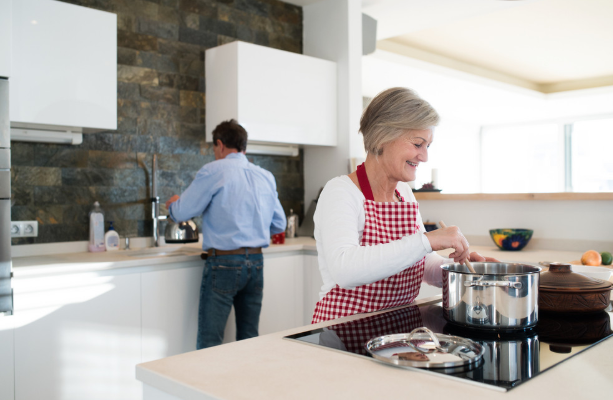
Outdoor kitchens are one example because they can extend cooking and entertaining beyond the interior of a home. Features may include countertops, grills, sinks, refrigerators, storage, seating, and other amenities that turn an otherwise underused portion of a property into a functional living area.
The potential financial benefit can also be significant. According to HomeGuide, outdoor kitchens can provide a resale return on investment of 50% to 70% or more, although the potential return varies depending on the neighborhood.
That doesn’t mean every outdoor kitchen will produce the same financial result. Local buyer preferences, construction quality, design, maintenance requirements, and the relationship between the improvement and the rest of the property can all influence how an upgrade is perceived.
For that reason, homeowners may want to balance immediate enjoyment with long-term practicality. Choosing durable materials, creating an efficient layout, and designing the space to complement the property can make an improvement useful whether the homeowner stays for decades or eventually decides to sell.
Outdoor improvements can transform underused areas into spaces that support everyday activities, special events, and future plans. The most successful projects tend to consider both the visible features and the practical details behind them, from precise fabrication and sanitation to long-term usability.
By thinking about how an outdoor space will actually be used, property owners can choose improvements that provide more than visual appeal. A well-planned project can make the property more functional, more enjoyable, and potentially more valuable over time.