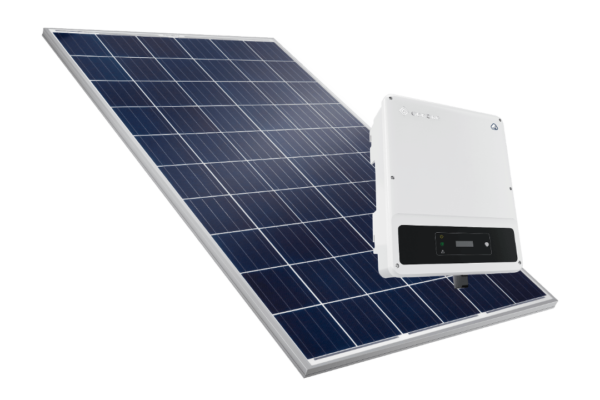
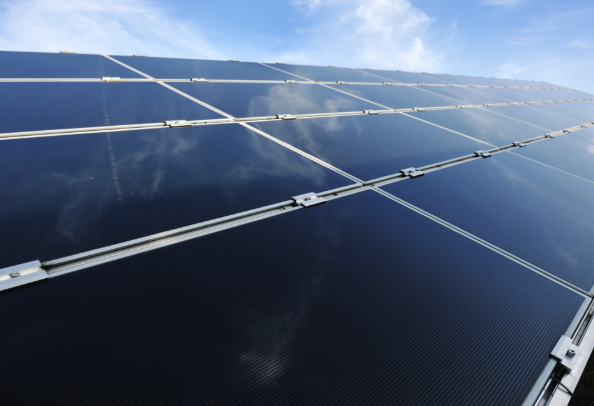
Harnessing the power of the sun offers numerous benefits, both economically and environmentally. As the world continues to embrace sustainable energy solutions, solar panels have become increasingly popular. This article delves into how incorporating solar panels into your home could drastically reduce your energy expenses while also contributing significantly to a reduction in carbon emissions.
Substantial Financial Savings
One of the primary incentives for homeowners to install solar panels is the notable decrease in electricity bills. According to Solar Power Authority, homeowners could potentially slash their energy costs by up to 70% when they utilize solar-powered roofs. This significant reduction can result in considerable savings over the years, transforming an initial investment into long-term economic benefits.
By generating their own electricity, homeowners can become less reliant on traditional power grids, which are susceptible to fluctuating energy prices. Additionally, many states and local governments offer tax incentives and rebates for solar panel installations, encouraging more households to make the switch. Therefore, not only do solar power investments offer immediate bill reductions, but they also provide financial relief through governmental support.
The cost-saving benefits are further amplified considering the rise in traditional energy costs. As electricity prices continue to climb due to the increased demand and limited fossil fuel resources, those with solar panels stand shielded from these market shifts. The value of solar panels thus extends beyond savings on electricity bills, offering a safeguard against future price volatility.
Environmental Impact and Carbon Footprint
The decision to embrace solar energy does not just favor your wallet; it’s also a pivotal move towards environmental conservation. According to Solstice, American solar power annually offsets more than 70 million metric tons of carbon dioxide, equating the environmental impact to planting nearly 1.2 billion trees. This substantial offset in carbon emissions highlights the potential of solar panels to make a meaningful environmental impact.
Reducing carbon emissions is critical in the fight against climate change as it directly correlates with lowering the atmospheric concentration of greenhouse gases. By switching to solar energy, households can actively contribute to this global effort, lessening their dependency on fossil fuels and minimizing their ecological footprint. This shift not only benefits the planet but also promotes a cleaner, healthier living environment.
Moreover, the production and maintenance of solar panels have a relatively low environmental impact compared to fossil fuels. As technology advances, the efficiency of solar panels continues to improve, maximizing the energy harnessed from the sun while reducing the materials and energy required for production. This further solidifies solar panels as a sustainable choice for environmentally-conscious homeowners.
Future Prospects of Solar Energy in Homes
The future of residential solar energy is promising, with an increasing number of households adopting solar technology. According to Gitnux, it is anticipated that 25% of roofs in the United States will be solar-integrated by 2030. This forecast highlights the rapid adoption and growing accessibility of solar technology for homeowners.
The anticipated growth is driven by advancements in solar panel efficiency as well as a decreasing cost of installation. As solar technology becomes more affordable, more people can harness the sun’s energy, making clean energy accessible to a broader audience. The continuous innovation in this field not only aids in cost reduction but also enhances the feasibility of solar energy as a mainstream energy solution for homes.
This upward trend could potentially lead to advancements in solar panel aesthetics and integration mechanisms, making them even more appealing to homeowners. As more homes incorporate solar technology, it could lead to neighborhood-wide reductions in collective energy demands, further driving down community energy costs and enhancing communal resilience to power outages.
Integrating solar panels into your home not only offers substantial financial benefits but also contributes positively to the environment by reducing carbon emissions. As technology advances and solar panels become more integrated into daily life, homeowners stand to benefit from increased energy independence and lower bills. Coupled with growing environmental consciousness and governmental support, solar panels represent a sustainable, future-proof solution for a cleaner and more economically viable home.