Creating a comfortable home interior goes beyond furniture and décor; lighting plays a critical role in how a space feels and functions. The right lighting can make rooms feel warmer, more relaxing, and better suited to daily activities, while poor lighting may cause eye strain or disrupt sleep. By taking a thoughtful, layered approach, homeowners can significantly improve comfort throughout their living spaces.
Layer Lighting to Match Daily Activities
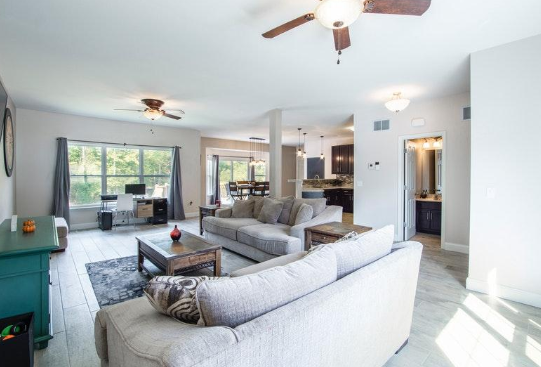
One of the most effective ways to enhance comfort is by layering different types of lighting within each room. Instead of relying on a single overhead fixture, combine ambient, task, and accent lighting to create a balanced environment that adapts to different needs.
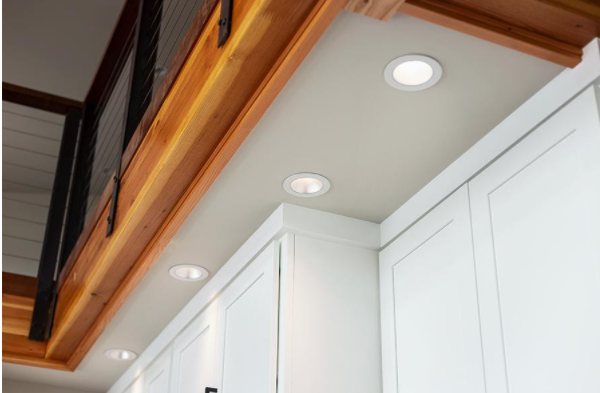
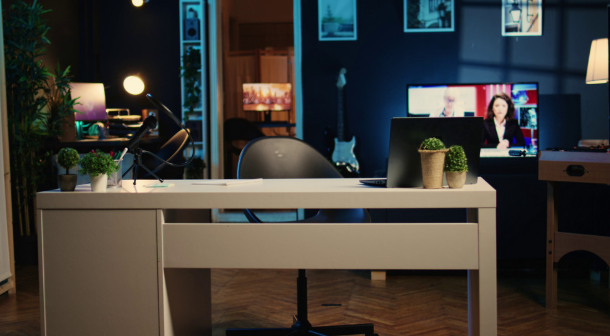
Ambient lighting provides overall illumination and sets the base tone of a room. This often comes from ceiling-mounted fixtures, recessed lighting, or well-placed floor lamps. Task lighting is more focused and supports specific activities such as reading, cooking, or working from home. Desk lamps, under-cabinet kitchen lights, and bedside sconces fall into this category. Accent lighting adds depth and visual interest by highlighting architectural features, artwork, or shelving.
Choosing the right light source for each layer is also important. LEDs are increasingly favored because they are energy-efficient, long-lasting, and available in a wide range of color temperatures. In fact, Statista projects that by 2030, 87 percent of light sources worldwide will be LEDs, underscoring their growing dominance in residential lighting. This shift allows homeowners to fine-tune brightness and warmth while keeping energy costs under control.
Control Natural Light for Better Comfort
Natural light can greatly enhance interior comfort, but too much of it—especially at the wrong time of day—can cause glare, overheating, or sleep disruptions. Managing daylight effectively is just as important as selecting the right artificial lighting.
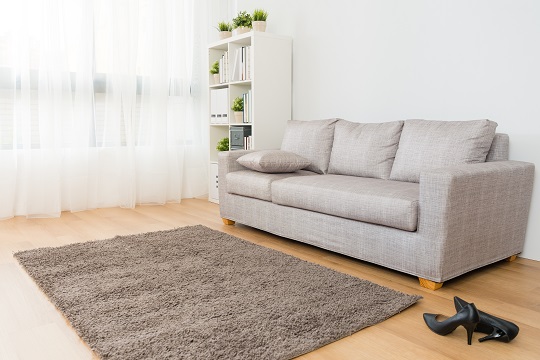
Window treatments play a major role in controlling how sunlight enters a space. Sheer curtains can soften harsh daylight while still allowing rooms to feel open and airy. In bedrooms, media rooms, or nurseries, blackout shades are particularly valuable for comfort. According to Forbes, blackout shades are constructed using multiple fabric layers designed to work together and can block up to 100% of incoming light. This makes them especially useful for improving sleep quality, reducing early-morning light intrusion, and creating calm, controlled environments.
Beyond comfort, controlling natural light can also protect interiors. Excess sunlight can fade flooring, furniture, and artwork over time. Adjustable treatments such as layered curtains or motorized shades allow homeowners to adapt lighting conditions throughout the day, striking the right balance between brightness and relaxation.
Use Color to Enhance Mood and Well-Being
Lighting has a direct impact on mood, and small changes can significantly affect how welcoming a home feels. Color temperature, brightness, and even wall color all interact with lighting to influence emotional comfort.
Warm light tones, typically in the 2700K to 3000K range, create a cozy, inviting atmosphere ideal for living rooms and bedrooms. Cooler tones can be helpful in kitchens, bathrooms, and home offices where alertness and visibility are priorities. Dimmers are another powerful tool, allowing homeowners to adjust light levels based on the time of day or activity without changing fixtures.
Wall color also affects how light behaves in a room. Lighter shades reflect more light, making spaces feel larger and brighter, while darker tones absorb light and create intimacy. Interestingly, lighting and color choices can even influence how people feel about being at home. House Grail reports that 88% of people feel a stronger desire to spend time at home after painting an interior room. When paired with well-planned lighting, updated wall colors can significantly boost comfort and emotional satisfaction.
Achieving maximum comfort through interior lighting relies more on thoughtful planning than costly upgrades. By layering light sources, managing daylight, and selecting fixtures and colors that support well-being, homeowners can create spaces that feel functional and relaxing.