Owning property is about more than acquiring a space—it involves ongoing decisions that impact value, functionality, and long-term use. From the way ownership is structured to how materials are maintained over time, each factor plays a role in protecting an investment. Whether managing a home, rental property, or shared asset, a thoughtful approach to maintenance and restoration can help extend the lifespan of both the property and everything within it.
Understanding Property Ownership Structures
The way a property is owned can influence everything from financial responsibilities to long-term planning. According to The Barsik Law Office, in real estate, there are three widely recognized ownership structures: sole ownership, joint tenancy, and tenancy in common. Each of these options carries different implications for control, liability, and how ownership is transferred or shared over time.
Sole ownership gives one individual full control over decisions and responsibilities, making it a straightforward option for those managing property independently. Joint tenancy, on the other hand, involves shared ownership with equal rights, often including automatic transfer of ownership if one party passes away. Tenancy in common allows multiple individuals to own a property with flexible ownership percentages, making it a common choice for investment properties or shared purchases.
Choosing the right ownership structure can influence how maintenance decisions are made and how costs are divided. It can also affect how quickly repairs or upgrades are approved, especially when multiple parties are involved.
The Role of Restoration in Long-Term Property Care
Maintenance alone is not always enough to preserve a property’s condition. Over time, surfaces wear down, materials degrade, and exposure to the elements can take a toll. This is where restoration techniques come into play, helping to bring surfaces back to a usable and visually appealing state.
One widely used method in restoration is sandblasting, a process that has been around for more than 150 years, according to IQS Directory. Its long history highlights its effectiveness in cleaning and preparing surfaces such as metal, brick, and concrete. By removing corrosion, paint, or buildup, sandblasting can extend the life of structural elements and improve their durability.
Restoration methods like this are especially valuable for property owners looking to maintain long-term value. Rather than replacing materials entirely, restoring existing surfaces can be a more efficient and cost-effective solution. It also helps preserve the original character of a property, which can be important for both aesthetic and historical reasons. Incorporating restoration into regular maintenance plans allows property owners to address issues early and avoid more extensive damage.
Longevity of Materials and Interior Investments
Property ownership doesn’t stop at walls, and structural elements—interior features and furnishings also contribute to overall value and usability. Many property owners prioritize durability when selecting materials, especially for items that see regular use.
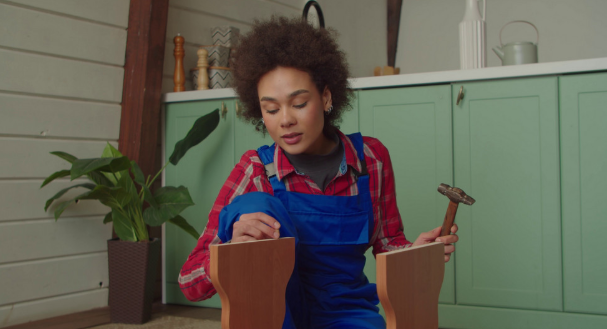
Consumer behavior reflects this focus on longevity. According to a Consumer Attitude survey, nearly 92% of respondents expect to keep their wood furniture for up to 15 years, indicating a strong preference for long-lasting materials. This mindset often extends to other aspects of property ownership, including flooring, cabinetry, and fixtures.
Investing in durable materials can reduce the need for frequent replacements and support a more consistent maintenance schedule. It also allows property owners to focus on preservation rather than constant upgrades. Regular care, such as cleaning, refinishing, and minor repairs, can further extend the life of these materials.
Smart property ownership involves more than initial decisions—it requires ongoing attention to maintenance, restoration, and the longevity of materials. From selecting the right ownership structure to investing in proven restoration techniques and durable materials, each step contributes to a property’s long-term success. By taking a proactive and informed approach, property owners can preserve value, reduce unnecessary costs, and create spaces that stand the test of time.