Summer heat can place significant stress on lawns, flowers, shrubs, and other plants. High temperatures, intense sunlight, and dry conditions can quickly cause soil moisture to disappear, leaving plants struggling to maintain healthy growth. Fortunately, homeowners can take several practical steps to protect their gardens during the hottest months. By managing water, improving soil coverage, and maintaining irrigation equipment, it becomes easier to help outdoor spaces withstand summer conditions.
Water Your Garden Strategically
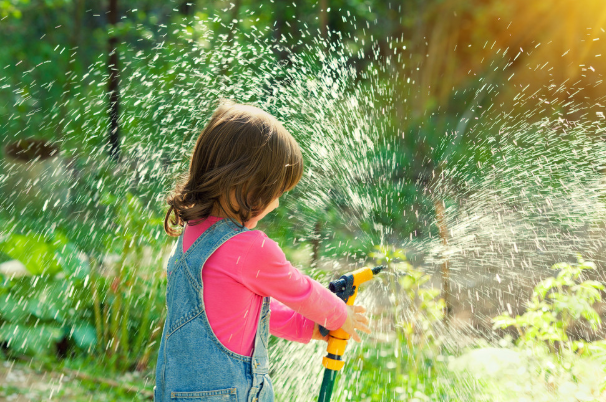
Watering is one of the most important ways to help plants handle extreme summer temperatures. However, watering at the wrong time or using too much water at once may not provide the best results. Early morning is generally a useful time to water because cooler temperatures can reduce evaporation before plants have time to absorb moisture. Homeowners should also focus on watering deeply when appropriate rather than providing frequent, shallow watering that may not reach the root zone.
Lawns require particular attention because they cover an enormous portion of the country’s landscape. According to Workyard.com, lawns occupy approximately 40 million acres in the United States, making turf grass the largest irrigated “crop” grown in the country. This widespread use of turf means efficient watering practices can make a significant difference in how homeowners manage outdoor spaces during periods of intense heat.
Homeowners should monitor their gardens for signs of heat stress, including wilted leaves, dry soil, faded grass, and plants that appear to stop growing. Watering needs can vary depending on plant type, soil composition, sunlight exposure, and local weather. Checking the soil before watering can help homeowners avoid applying water when the ground is already sufficiently moist.
Protect Soil With Fresh Organic Mulch
Mulch can provide an important layer of protection during hot weather. By covering exposed soil, mulch can help reduce evaporation and keep the ground cooler around plant roots. Organic materials such as wood chips, bark, leaves, and compost can also contribute nutrients to the soil as they gradually break down. Applying mulch around plants can therefore support both moisture retention and overall soil health.
However, mulch does not last forever. According to Lawn Love, organic mulch generally needs to be replaced or replenished every one to three years, depending on the material used and how quickly it breaks down. Homeowners should inspect mulch beds regularly to determine whether the layer has become thin or decomposed. Replenishing mulch when necessary can help maintain the protective benefits it provides during hot summer conditions.
When applying mulch, homeowners should avoid piling it directly against tree trunks, shrub stems, or plant crowns. Excessive mulch in these areas can retain too much moisture and contribute to other problems. A moderate, even layer spread across the soil surface is generally more useful.
Maintain Your Irrigation System
An irrigation system can make it easier to provide consistent moisture during the summer, but only when the equipment is working properly. Broken sprinkler heads, clogged nozzles, leaks, and poor coverage can leave some parts of the garden too dry while wasting water in other areas. Homeowners should periodically inspect their irrigation system and watch for uneven watering patterns. Adjusting sprinkler heads and repairing damaged components can help improve coverage.
A properly maintained system can remain useful for many years. According to Fixr, lawn sprinkler systems can last approximately 20 years when they receive proper maintenance. Regular inspections can help extend the life of the equipment and identify small problems before they lead to more significant damage. Homeowners should check for leaks, make sure sprinkler heads are not blocked, and confirm that water is reaching the intended areas.
Summer heat can place considerable stress on gardens, but thoughtful maintenance can help plants remain healthier during challenging conditions. Strategic watering can help provide needed moisture, mulch can protect soil from rapid evaporation, and regular irrigation maintenance can improve consistency while reducing waste.