
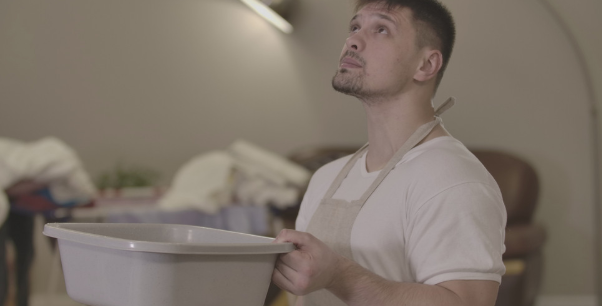
Storms can wreak havoc on properties, leaving homeowners with the costly and challenging task of repairing water damage. Understanding the implications of water damage and taking prompt measures can help protect both your home and its resale value. In this article, we will discuss essential facts and strategies every homeowner needs to know about dealing with water damage after a storm.
Why Your Basement is at Risk
Basements are particularly susceptible to water damage due to their below-ground level positioning, which can lead to water and moisture accumulation. It’s crucial for homeowners to proactively manage moisture levels, as damp environments can encourage the growth of mold, posing health risks and structural damage. In fact, research shows that about 38% of homes in the United States are vulnerable to mold problems in their basements after experiencing stormwater damage.
Water seepage from storms can quickly lead to a damp basement, creating the perfect environment for mold growth. Homeowners should inspect their basements regularly, especially after heavy rainfalls, to identify any signs of moisture. Implementing preventative measures, such as proper drainage and waterproofing, is key to mitigating the risk of water damage and subsequent mold growth.
Understanding the factors that lead to basement water damage can help homeowners take necessary precautions. The gradient of the yard, issues with downspouts, and cracks in the foundation can all contribute to water ingress. By addressing these vulnerabilities, homeowners can significantly reduce the likelihood of encountering water damage and its complications.
Protecting Your Home’s Resale Value
Water damage doesn’t just affect the structural integrity of a home; it can also have a significant impact on its resale value. Notably, the presence of mold, which can develop rapidly after water damage, can decrease property value by a substantial margin. According to real estate sources, homes affected by mold can see a drop in value ranging from 20% to a staggering 37%
This depreciation can raise significant concerns for homeowners, especially those looking to sell their properties. Buyers are often wary of homes with a history of mold, fearing health risks and unexpected repair costs. Consequently, homeowners must address water and mold issues immediately to preserve their home’s market appeal.
For those in the market to sell their homes, removing any signs of water damage is imperative. Ensuring proper home inspections and repairs can help rehabilitate the home’s condition, thus maintaining or even enhancing its market value. Proactively addressing these issues can reassure potential buyers that the property is safe and sound.
Understanding the Timeline of Mold Growth
Quick action is vital following any water infiltration, as mold can begin to develop in a short timeframe. Mold growth typically starts within 24 to 48 hours after water exposure, particularly when conditions are stagnant and warm. This rapid development underscores the importance of addressing water damage without delay.
When water is left untreated, the risk of mold not only affects property values but also poses potential health hazards for residents. Mold spores can cause allergies, respiratory issues, and other health problems, making prompt remediation essential. Homeowners should engage professional mold remediation services promptly to mitigate further damage and health risks.
Effective mold prevention and removal require identifying the source of moisture and ensuring thorough drying of affected areas. Homeowners are encouraged to use dehumidifiers and professional drying services post-flooding to eliminate moisture thoroughly. Throughout the process, consistent monitoring is essential to ensure that mold does not take hold and damage the home further.
The Long-Term Perspective: Preventing Future Damage
Protecting a home from future water and mold damage involves both immediate and long-term strategies. Homeowners should regularly inspect their properties for potential vulnerabilities like foundational cracks and blocked gutters that could lead to water ingress. Investing in solutions such as sump pumps and proper drainage systems can also be invaluable.
In the long run, preventative home maintenance can provide peace of mind and safeguard your property’s value. Regular home inspections by professionals can identify and fix potential problem areas before they result in substantial damage. Such foresight not only protects a home’s structural integrity but also prevents costly repairs and potential devaluation.
Homeowners should not underestimate the benefits of detailed record-keeping when it comes to water damage incidents and repairs. Proper documentation of repairs and improvements can be a persuasive tool during a property sale, assuring buyers of the home’s maintained condition. This proactive approach is a critical element of responsible homeownership, protecting your investment over the years.
Taking Proactive Steps
Understanding the implications of water damage and mold on a home’s value and livability cannot be understated. Homeowners must adopt a comprehensive approach to maintenance and mitigation to reduce risks and safeguard their investments. By taking immediate action, implementing preventative measures, and conducting regular checks, homeowners can manage the threat of water damage effectively.
The repercussions of mold and water damage extend beyond financial concerns, impacting health and living conditions as well. Therefore, it is crucial to address these issues as soon as they arise, utilizing professional services when necessary. Ultimately, informed and proactive homeowners can preserve the value and integrity of their properties, ensuring peace of mind and a healthy living environment.
By remaining vigilant and addressing any signs of water damage promptly, homeowners can protect their homes and their residents. Preparedness and maintenance are the cornerstones of homeownership and can help in mitigating the impacts of storms and water damage. Keep these strategies in mind, and your home will withstand the challenges posed by nature.
More from Ghar360 Blog
 What to Know If You’ve Found Mold in Your Basement
 The Basement Upgrade That Helps Protect Your Entire Home
 Considerations to Make When Trying to Finish a Home’s Basement
 The High Probability of Mold and Water Damage in Basements: Causes, Warning Signs, and Prevention
 The 7 Steps of a Basement Renovation With Aloha Restoration