Keeping a home in top shape means making smart decisions about when to repair, replace, or upgrade its essential features. From roofs and HVAC systems to window screens, every part of your home has a practical lifespan, and understanding when to act can save time, money, and frustration. Regular maintenance, timely upgrades, and occasional replacements ensure your home remains safe, efficient, and comfortable. By recognizing early signs of wear and weighing cost versus benefit, homeowners can make informed choices without being overwhelmed by minor issues or unexpected repairs.
Assessing Structural Elements
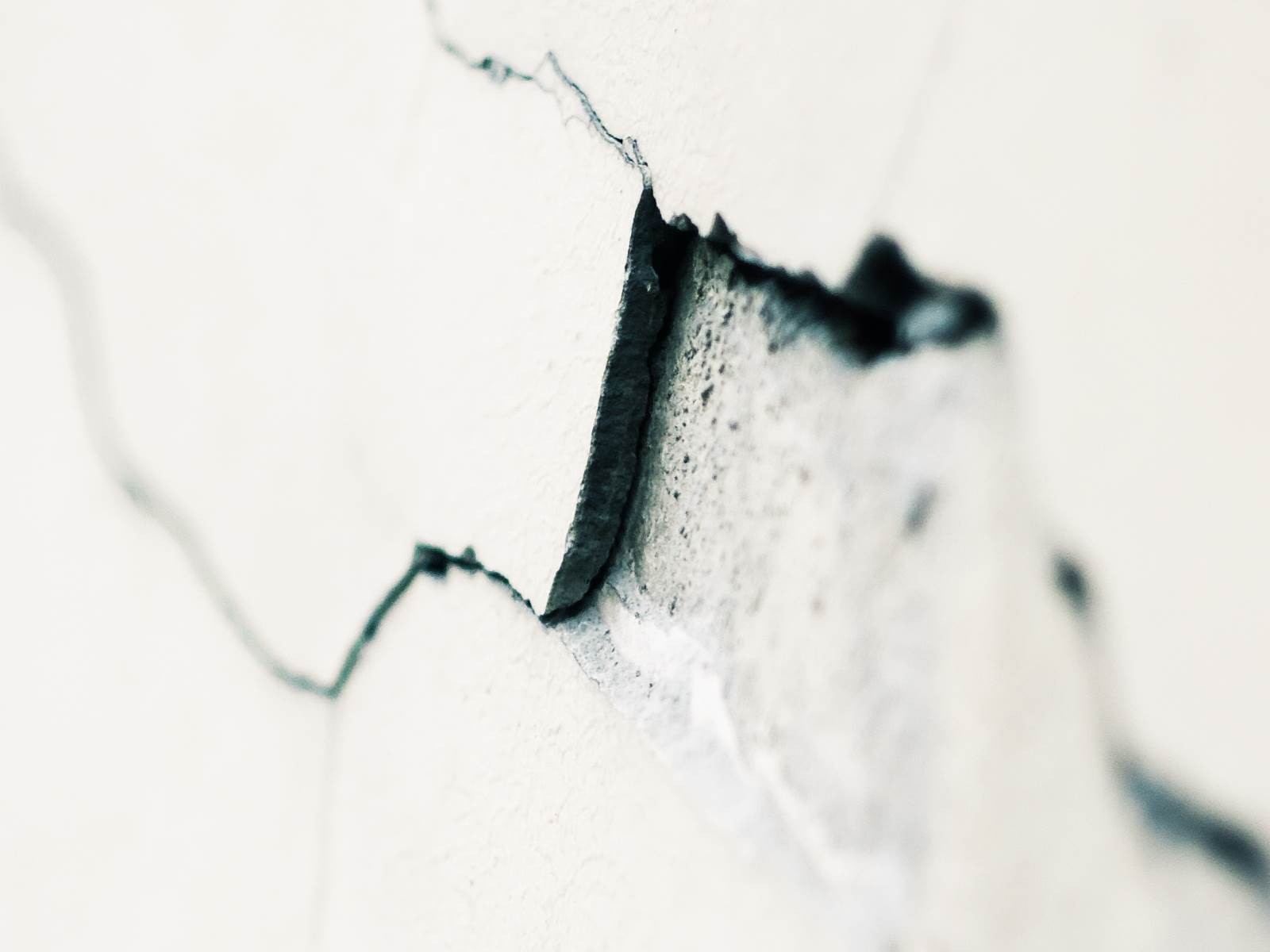
Your home’s structural components, like the roof, walls, and foundation, are critical for safety and protection against the elements. Minor roof issues such as small leaks or missing shingles can often be repaired rather than replaced, especially if the roof is under 15 years old and otherwise in good condition, according to Today’s Homeowner. Waiting too long, however, can turn these small problems into major repairs. Regular inspections help spot early damage, allowing you to address it before it becomes a bigger, more expensive concern.
Maintaining Comfort Systems
HVAC systems are central to keeping a home comfortable year-round. Proper maintenance, including changing filters, cleaning ducts, and scheduling professional inspections, can help a system last up to 15–20 years, according to This Old House. When your system struggles to maintain temperature, makes unusual noises, or causes spikes in energy bills, it may be time to consider either repairs or a full replacement. Knowing the difference between minor fixes and major upgrades saves money and ensures consistent comfort without unnecessary stress.
Upgrading Everyday Essentials
Even small elements like window screens affect the comfort and efficiency of your home. Over time, screens can warp, tear, or develop loose frames, reducing airflow and allowing insects inside. Although they don’t have a set lifespan, replacing window screens every 10 years is recommended for optimal performance, according to This Old House. Regularly assessing these minor features and updating them as needed maintains both the functionality and appearance of your home without waiting for a full failure.
Balancing Repair and Replacement
Deciding whether to repair or replace a home essential often depends on age, condition, and the potential cost of neglect. Repairs can extend the life of many components, but ignoring early signs of wear may result in larger, more expensive problems later. Weighing the upfront cost of replacement against long-term savings in energy efficiency, maintenance, and safety helps homeowners make practical choices. Investing in quality materials and professional services often pays off with fewer headaches and greater reliability over time.
Considering Your Lifestyle and Budget
Lifestyle and plans also influence decisions about home essentials. Homeowners planning to stay long-term may find it worthwhile to upgrade older systems proactively, while those considering a move might prioritize affordable repairs that maintain function. Regular inspections, routine maintenance, and keeping track of service histories allow for informed decisions that balance immediate costs with long-term benefits. Prioritizing high-impact areas like roofs, HVAC systems, and protective features ensures a comfortable, safe, and energy-efficient home.
Knowing when to repair, replace, or upgrade home essentials can save money, improve comfort, and reduce stress. By paying attention to the age, condition, and performance of key systems, homeowners can avoid costly emergencies and enjoy a more reliable living environment. Regular maintenance and timely upgrades for roofs, HVAC systems, and window screens extend their lifespan and enhance efficiency. Being proactive allows for planned improvements rather than reactive fixes. Making thoughtful decisions keeps your home safe, welcoming, and functional for years, giving peace of mind through every season and ensuring your investment continues to deliver value.