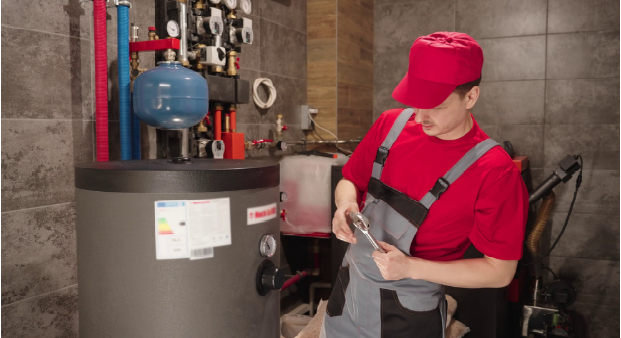
When homeowners think about energy costs, heating and cooling usually come to mind first. Yet one of the biggest contributors to your monthly bills sits quietly in a basement, garage, or utility closet. Your water heater runs every time someone showers, washes dishes, or does a load of laundry, and it rarely gets the attention it deserves. Understanding how much energy it uses, how long it should last, and how to care for it can save you money and prevent unpleasant surprises.
A Bigger Energy Expense Than You Think
Most people don’t realize how much of their energy budget goes toward hot water. According to the Department of Energy, heating water makes up about 18% of a typical home’s total energy use. That makes it the second-largest energy expense in most households, behind only space heating and cooling.
Part of the reason is that traditional tank-style water heaters keep a large supply of water hot around the clock, even when no one is using it. As heat slowly escapes through the tank walls and pipes, the unit has to fire up again and again to maintain its temperature. Older or poorly maintained units lose even more energy in the process.
The good news is that small changes can trim those costs. Lowering the thermostat setting slightly, insulating exposed hot water pipes, and adding an insulating blanket to older tanks all reduce wasted heat. Installing low-flow showerheads and fixing dripping faucets also cuts down on the amount of hot water your household uses each day.
Getting the Longest Life From Your Unit
A water heater is a significant investment, so it makes sense to protect it. HomeAdvisor reports that a water heater can last as long as 15 years when it receives proper professional maintenance. Without that care, many units wear out much sooner, often failing at the most inconvenient moment.
Watch for signs that your water heater may be struggling. Rusty or discolored water, rumbling or popping noises, water pooling around the base, and hot water that runs out faster than it used to can all point to problems. Catching these warning signs early gives you time to schedule a repair or plan a replacement instead of dealing with a sudden flood or a week of cold showers.
If your unit is nearing the end of its expected lifespan, it may be worth exploring newer options. Today’s high-efficiency tank models, heat pump water heaters, and tankless systems can use considerably less energy than older units, helping offset their upfront cost through lower monthly bills.
Make Annual Maintenance a Habit
One of the most effective ways to keep a water heater running efficiently is also one of the easiest to overlook. The Spruce recommends draining and inspecting your water heater at least once every year. Over time, minerals and sediment from your water supply settle at the bottom of the tank, forming a layer that makes the burner or heating element work harder to warm the water.
Flushing the tank removes that buildup, restoring efficiency and reducing strain on the system. The process typically involves turning off the power or gas, connecting a hose to the drain valve, and letting the water run out until it comes out clear. Always follow the manufacturer’s instructions, and be careful, since the water inside can be very hot.
An annual inspection should also include testing the temperature and pressure relief valve, which prevents dangerous pressure buildup, and checking the anode rod, which protects the tank from corrosion. If you’re not comfortable handling these tasks yourself, a licensed plumber can take care of them quickly and spot any other issues along the way.
Small Steps, Lasting Savings
Your water heater may be out of sight, but it shouldn’t be out of mind. By understanding how much energy it uses, watching for signs of wear, and keeping up with yearly maintenance, you can lower your utility bills, extend the life of your unit, and enjoy reliable hot water whenever you need it.