Landscaping is becoming an increasingly important part of how homeowners use and maintain their outdoor spaces. Beyond improving curb appeal, thoughtful landscape design can create areas for relaxing, entertaining, gardening, and connecting with nature. As more homeowners consider outdoor improvements, sustainability is also becoming a larger part of the conversation, influencing choices about materials, plants, water use, and long-term maintenance.
Homeowners Are Investing More in Outdoor Improvements
Outdoor spaces can serve many purposes, which makes landscaping upgrades a practical consideration for homeowners looking to improve how they use their properties. A well-planned landscape can add structure to an otherwise underused yard while creating designated areas for seating, recreation, gardening, or entertaining. The right improvements can also help a property feel more connected to its natural surroundings without requiring every part of the yard to be redesigned at once.
Interest in these projects is reflected in recent homeowner planning data. According to This Old House’s 2026 Outdoor Living Trends report, 22.5% of homeowners surveyed in 2025 said they planned to pursue landscaping upgrades. This suggests that landscaping remains part of broader outdoor-living plans, with homeowners considering changes that can make their yards more functional and visually appealing.
Planning a landscaping project can involve more than selecting plants and decorative features. Homeowners may need to consider how much sunlight different areas receive, how water moves through the property, and which portions of the yard receive the most activity. Thinking about these conditions before choosing materials or plants can help create an outdoor space that fits the property’s characteristics rather than requiring constant adjustments later.
Residential Landscaping Calls for Thoughtful Planning
Landscaping projects can vary considerably depending on the property’s size, layout, climate, and intended use. A small backyard may benefit from carefully selected plant beds and a defined seating area, while a larger property could require more extensive planning for lawns, pathways, trees, drainage, and outdoor living areas. Establishing priorities early can make it easier to determine which improvements should be completed first and which can be added later.
The residential market also represents a substantial portion of landscaping activity. Workyard reports that approximately 59% of landscaping companies’ revenue in the United States comes from single-family residential projects. That figure highlights the significant role homeowners play in the landscaping industry and helps explain why residential projects can encompass such a wide range of services and design approaches.
For homeowners, this means there are many potential ways to approach an outdoor renovation. Some projects may focus primarily on planting and garden beds, while others may combine vegetation with patios, walkways, retaining features, lighting, or other outdoor elements. Regardless of the project’s size, a cohesive plan can help ensure that individual improvements work together instead of creating a collection of disconnected features.
Budgeting is another important part of the planning process. Homeowners should consider not only the initial installation cost but also ongoing expenses such as watering, pruning, seasonal maintenance, replacement plants, and repairs. Selecting features based on their long-term needs can help create a landscape that remains manageable after the initial project is complete.
Sustainability Is Shaping Landscape Design
Sustainable landscaping focuses on creating outdoor spaces that work with local environmental conditions rather than relying exclusively on resource-intensive maintenance. Plant selection can play an important role because native and climate-appropriate species may be better suited to the area’s growing conditions. Other considerations can include efficient irrigation, permeable surfaces, responsible material selection, and planting designs that support local wildlife.
Sustainability is already a consideration among professionals in the industry. According to Elevate by Design, 24% of experts identify sustainability as a top priority, with attention given to eco-conscious materials and landscaping designed to support pollinators. This reflects a broader approach to landscape planning in which environmental considerations can be incorporated alongside appearance, functionality, and maintenance requirements.
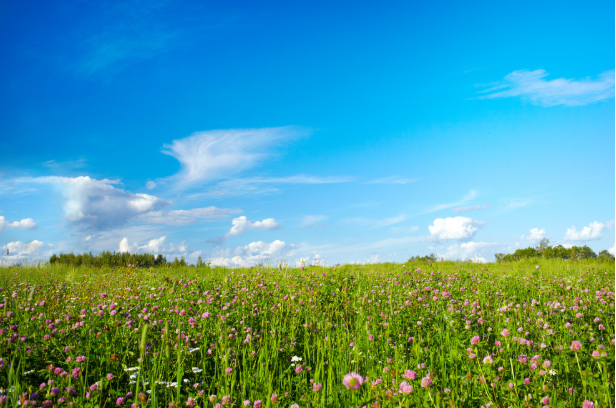
Pollinator-friendly landscaping can be one way to make a yard more supportive of local ecosystems. Flowers and other plants that provide resources for bees, butterflies, and other pollinating insects can add seasonal color while serving an ecological purpose. Homeowners can also consider reducing unnecessary lawn areas, incorporating shade-producing plants, and choosing landscaping materials that suit the property’s natural conditions.
Water management is another consideration when creating a sustainable landscape. Efficient irrigation systems, appropriate plant selection, mulch, and thoughtful placement of vegetation can help homeowners manage water use more effectively. The goal is not necessarily to eliminate maintenance or traditional landscaping features, but to design an outdoor space where resources are used more deliberately.
Sustainable landscaping can also be approached gradually rather than as a complete property transformation. A homeowner might begin by replacing a portion of water-intensive planting with climate-appropriate species, adding plants that attract pollinators, or improving soil conditions. Over time, these smaller changes can become part of a broader landscape plan that balances appearance, usability, and environmental considerations.
As homeowners continue looking for ways to improve their outdoor spaces, landscaping can provide an opportunity to combine practical upgrades with more environmentally conscious choices. Planning around the property’s conditions, selecting appropriate plants and materials, and considering long-term maintenance can help create a landscape that remains useful and attractive over time. With sustainability becoming a consideration for both homeowners and landscaping professionals, outdoor design is increasingly focused on spaces that serve people while working more thoughtfully with the surrounding environment.