
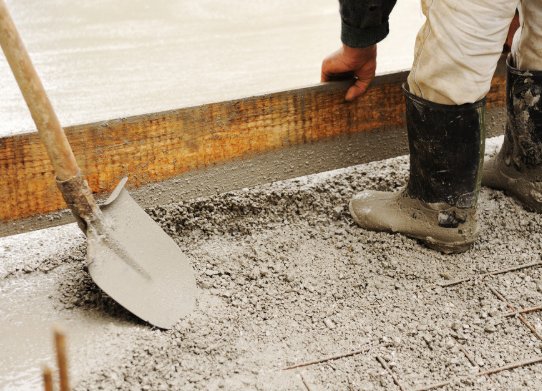
Installing a concrete driveway is a significant investment that many homeowners undertake to enhance the curb appeal and functionality of their homes. Choosing concrete over other materials comes with its own set of considerations, benefits, and challenges. Understanding these aspects thoroughly will help in making an informed decision.
Understanding the Longevity of Concrete
When it comes to selecting materials for your driveway, longevity is a crucial factor. According to HomeGuide.com, concrete driveways can last anywhere between 30 to 40 years or more, proving to be more durable than asphalt, which typically has a lifespan of 15 to 30 years. Such longevity can make concrete an appealing choice for those who plan to stay in their homes for a long time.
Opting for concrete can be seen as a long-term investment, not only increasing the durability of your driveway but also enhancing the overall value of your home. This durability is largely due to the composition and strength of commercial-grade concrete used in driveways. Having a long-lasting driveway means reduced costs in repairs and replacement over the years, contributing to the value retention of the property.
Besides longevity, concrete’s ability to withstand harsh weather conditions makes it a suitable option for various climates. The material’s resistance to temperature fluctuations means it requires less maintenance compared to other surfaces. Moreover, the stability of concrete makes it less susceptible to cracks and potholes, thereby maintaining the aesthetic appeal of your home.
Details on Thickness and Structure
The thickness of a concrete driveway is another critical aspect homeowners need to consider. As per Ergeon, a standard recommendation for residential driveways is a thickness of 4 inches of concrete. This thickness is generally adequate for handling normal household vehicles and ensures structural integrity over time. Ensuring the correct thickness will prevent problems such as cracks and uneven surfaces that may develop due to inadequate support. It’s essential to work with a skilled contractor who can assess your specific needs and adjust the thickness accordingly, especially if heavier vehicles such as RVs or trucks will utilize the driveway. Such considerations will help maintain a robust and visually appealing driveway that complements the home.
For those interested in customizing their driveways, structuring concrete in a way that includes decorative elements without compromising functionality is possible. A professional will help balance aesthetic aspirations with practical thickness requirements, ensuring that the driveway remains both attractive and durable.
The Curing Process Explained
The curing process is a vital part of installing a concrete driveway, directly affecting its longevity and strength. According to Concrete Network, although concrete may seem dry enough to walk on after 24 to 48 hours, full curing takes approximately 28 days. This curing period allows the material to reach its optimal strength.
Avoiding any significant weight on the driveway during the curing period is crucial, as premature pressure can lead to structural damage and reduce the expected lifespan of the driveway. Proper curing is a gradual process requiring patience, yet it’s critical to achieving a scalable and secure driveway. It’s advisable to plan construction activities around the full curing timeline to avoid disrupting daily home activities. Understanding the curing times can also help in scheduling any additional maintenance or aesthetic work, such as sealing or staining. Preserving the integrity of the concrete by adhering to proper curing protocols plays a vital role in ensuring the lasting success of your new driveway.
Choosing and installing a concrete driveway requires careful consideration of its benefits, materials, and maintenance requirements. From its formidable lifespan to specific thickness requirements and crucial curing processes, concrete driveways present a viable option for homeowners seeking long-term and durable solutions. Integrating these factors will allow homeowners to not only improve their property’s curb appeal but also increase the value and functionality of their home. Making informed choices based on reliable data ensures that the concrete driveway project meets both current requirements and future expectations. This article outlined important details integral to a successful installation and subsequent satisfaction.
More from Ghar360 Blog
 Thinking About a Driveway Replacement? Here’s Why Concrete Could Be the Superior Option Over Asphalt
 How Thick Should a Concrete Driveway Be?
 The Longevity of Common Home Materials
 Choosing a New Driveway for Your Exterior Remodel? Here’s What to Consider
 Roof Replacement Options Every Homeowner Should Know