
The Heart of Home: Why Countertops Matter in Kitchen Remodels
When planning a kitchen makeover, homeowners often seek to make impactful changes that enhance both functionality and aesthetics. Countertops are a pivotal element in this transformation, serving as the foundational surface for daily activities and culinary creativity. Choosing the right material and style can significantly influence the overall ambiance and efficiency of the kitchen space.
It’s important to recognize that kitchen remodeling is not just about updating outdated designs; it is also a strategic investment. Reports by Ruby Home suggest that such renovations can achieve a return on investment (ROI) as high as 113%, underscoring the value of well-planned upgrades. In this context, selecting the perfect countertop becomes a priority, given its high potential to boost both resale value and daily enjoyment.
Prioritizing quality materials and design during a kitchen renovation can lead to long-term satisfaction and increased property worth. New countertops provide a fresh look and improved utility, encouraging homeowners to make more frequent use of their kitchen. Ultimately, a thoughtful selection process will ensure that the new surfaces align with both current trends and personal preferences.
Exploring Material Options for Kitchen Countertops
The choice of countertop material can dramatically influence the kitchen’s look and feel. Stone options like granite and marble are popular for their natural beauty and durability, although they might require more maintenance than engineered materials. On the other hand, quartz and other engineered stones offer a balance of elegance and ease of care, making them an attractive choice for many homeowners.
One consideration for selecting a countertop is its functional use. For instance, those who frequently cook might prefer heat-resistant materials such as marble or soapstone. Additionally, surfaces that are easy to clean and maintain can be a top choice for busy households, minimizing the time spent on upkeep while preserving a pristine appearance.
In the realm of home renovations, many options cater to varying styles and budgets. These materials range from cost-effective laminates to luxurious natural stones, each with distinct benefits and drawbacks. Houzz reports that a striking 91% of homeowners undergoing kitchen renovations prioritize upgrading their countertops, reflecting the crucial role these surfaces play in modern homes.
Decoding the Aesthetics: Colors and Patterns
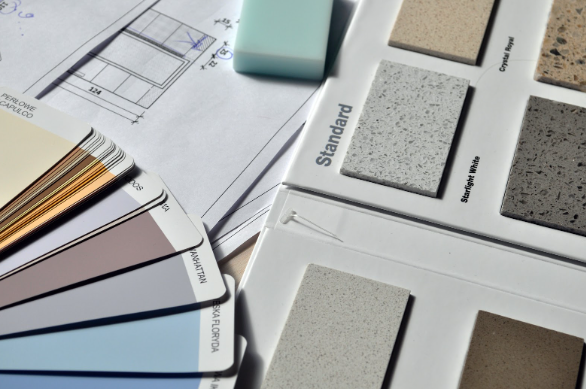
The aesthetic qualities of kitchen countertops significantly contribute to the room’s overall style and appeal. Neutral tones like white, black, and gray are timeless and versatile, seamlessly complementing a variety of cabinetry and flooring options. Bold colors or unique patterns can add a personal touch and create a focal point within the kitchen design, enhancing individuality and charm.
Patterns such as veining in marble or the speckled look of certain granites can add texture and dimension to the kitchen. These choices can evoke different emotions and atmospheres, such as calmness with subtle designs or vibrancy with more distinct motifs. Thoughtful selection of these elements can transform the kitchen into a welcoming and inspiring space.
Striking the right balance between color and pattern ensures harmony in the design layout. A strategic combination can enhance the visual flow of the kitchen, emphasizing features like backsplashes and fixtures. Ultimately, the chosen aesthetics should reflect personal style while providing continuity with the rest of the home.
Sizing and Space Considerations
Beyond aesthetics and materials, countertop sizing plays a crucial role in the design process. Kitchens typically have approximately 30 to 40 square feet of countertop space, according to Fixr, which provides ample opportunity for strategic planning. Proper sizing can optimize both functionality and comfort, making meal preparation and entertaining a breeze.
Homeowners should consider their specific needs, such as surface area for cooking, baking, and dining, when planning the countertop layout. By efficiently utilizing the available space, it becomes possible to create zones for different kitchen activities, thereby enhancing usability. Besides, adjusting overhangs and edges can further customize space and ensure safety and convenience.
Maximizing countertop space often requires creativity, especially in smaller kitchens. Incorporating features like undermount sinks or integrated cutting boards can extend usability without sacrificing style. The ultimate goal is to tailor the space to personal practices, ensuring the kitchen remains a functional and enjoyable part of the home.
Making Your Choices Count
Embarking on a kitchen makeover is a rewarding venture that can breathe new life into one of the home’s most essential spaces. As countertops take center stage, it’s crucial to weigh the various factors, from materials and aesthetics to space considerations. Doing so ensures that the final decision not only meets practical needs but also enhances the family’s overall living experience.
When selecting countertops, the goal should be to harmonize beauty with functionality, achieving a space that feels personalized yet cohesive. Though the decision-making process may seem daunting, the potential payoff is significant—yielding an inviting and efficient kitchen that stands the test of time. By prioritizing key elements and remaining attentive to detail, homeowners can transform their dream kitchen into a reality.
Ultimately, successful kitchen renovations hinge upon thoughtful planning and a keen understanding of one’s needs and preferences. As the heart of the home, the kitchen deserves attention to detail and an investment in quality materials. In the end, the right choices can lead to a space that offers joy, comfort, and increased property value for years to come.