Landscaping affects how a home looks, feels, and functions. A well-planned yard can make the property more welcoming, create better outdoor space, and support long-term value. When landscaping is neglected, overgrown grass, crowded shrubs, poor drainage, and bare planting beds can make the home appear less cared for. Investing in the yard gives homeowners a chance to improve both daily use and the overall impression of the property.
Improve Curb Appeal
The first reason to invest in landscaping is curb appeal. The front yard is one of the first things people notice, and it can shape how they view the rest of the home. Healthy grass, trimmed shrubs, defined garden beds, clean edging, and seasonal color can make the exterior look polished. Even simple improvements can help a property feel more inviting from the street.
Curb appeal can also influence market perception. According to LawnStarter, homes with landscaping usually sell for 5% to 12% more than similar homes without landscaping. That difference shows why outdoor appearance should not be treated as an afterthought. A cared-for landscape can make the home feel more complete before anyone reaches the front door.
Increase Resale Value
The second reason is resale value. Landscaping can help a home stand out in a competitive market because buyers often notice exterior condition before interior details. A neat lawn, balanced plantings, safe walkways, and attractive outdoor lighting can suggest that the property has been maintained. These details may encourage buyers to view the home as move-in ready.
According to Bankrate, landscaping can raise a home’s resale value by about 15% to 20% on average. That makes thoughtful yard improvements a meaningful part of property planning. Homeowners do not need to choose the most expensive features to see value. Prioritizing clean design, healthy plants, and practical outdoor improvements can create a strong return without making the yard feel overdone.
Make Outdoor Living More Useful
The third reason is better outdoor living. According to the National Association of Landscape Professionals, 57% of Americans use their yards for recreation at least once a month. That means outdoor space is not just decorative for many households. It can support family time, pets, gardening, grilling, relaxing, and casual gatherings.
A useful yard should match how the household actually spends time outside. Some homes may benefit from open lawn space, while others may need shade, privacy plantings, walkways, or seating areas. Landscaping can help organize the yard into zones that feel more comfortable and intentional. When the space is easier to use, homeowners are more likely to enjoy it regularly.
Improve Maintenance and Safety
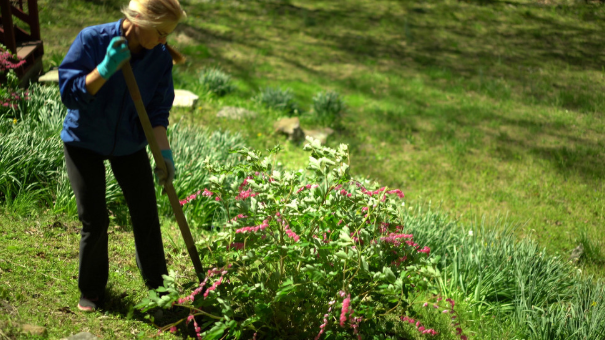
The fourth reason is easier maintenance and better safety. Overgrown shrubs, uneven paths, low branches, poor drainage, and patchy grass can create ongoing problems. These issues may make the yard harder to mow, walk through, or keep clean. Strategic landscaping can reduce clutter while making the property easier to manage.
Maintenance-focused upgrades can include proper grading, mulch, durable edging, native or low-maintenance plants, and clear walking paths. Good lighting can also improve visibility around steps, driveways, and entryways. Trees and shrubs should be placed with mature size in mind so they do not crowd the house, block windows, or interfere with walkways. Practical choices help keep the yard attractive without adding unnecessary work.
Support Long-Term Home Enjoyment
The fifth reason is long-term enjoyment. A well-designed landscape can make a home feel more peaceful, useful, and personalized. Flowers, trees, patios, walkways, and lawn areas can all work together to create an outdoor environment that fits the homeowner’s needs. The goal is not just to make the yard look better, but to make it feel more connected to daily life.
Landscaping works best when it is planned in stages. Homeowners can start with the most visible or urgent areas, such as the front yard, entry path, drainage issues, or worn planting beds. Over time, additional improvements can build on that foundation. With thoughtful planning, landscaping can improve curb appeal, support resale value, expand usable space, and make the home more enjoyable year after year.
More from Ghar360 Blog
 Creating Enjoyable Outdoor Spaces Through Landscaping and Gardening
 Don’t Just Mow—Invest: The Surprising Stats on Landscaping and Property Value
 Outdoor Updates That Make A Home Feel More Finished
 How Landscaping Services Can Spruce Up Your Backyard
 How Outdoor Features Are Transforming the Modern Home