Most homeowners keep an eye on their water bills, but few realize how much of that money may be going toward water they never actually use. A dripping faucet, a running toilet, or a hidden pipe leak can quietly waste water day and night, driving up costs and causing damage behind walls and under floors. Regular plumbing inspections are one of the simplest ways to catch these problems early and keep both your home and your budget in good shape.
A Nationwide Problem Hiding in Plain Sight
Leaks may seem like small annoyances, but together they add up to an enormous amount of waste. According to Ruby Home, leaking plumbing systems cause U.S. households to lose roughly one trillion gallons of water every year. That’s water families are paying for that never makes it to a sink, shower, or garden.
Many leaks go unnoticed because they’re slow or out of sight. A toilet flapper that doesn’t seal properly can let water trickle into the bowl without making a sound. Pipes inside walls, under slabs, or in crawl spaces can drip for months before anyone notices a stain, musty odor, or warped flooring.
Beyond higher bills, hidden leaks can lead to costly repairs. Constant moisture can rot wood framing, damage drywall and subfloors, and create the perfect conditions for mold growth. The longer a leak goes undetected, the more expensive it usually becomes to fix.
Why Routine Inspections Make a Difference
Some homes waste far more water than others. The U.S. Environmental Protection Agency reports that 9% of homes have leaks wasting at least 50 gallons of water each day. Regular plumbing inspections are an effective way to spot these problems and cut down on unnecessary water loss before it shows up on your bill.
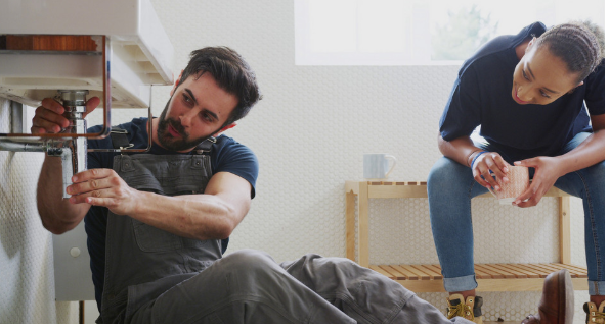
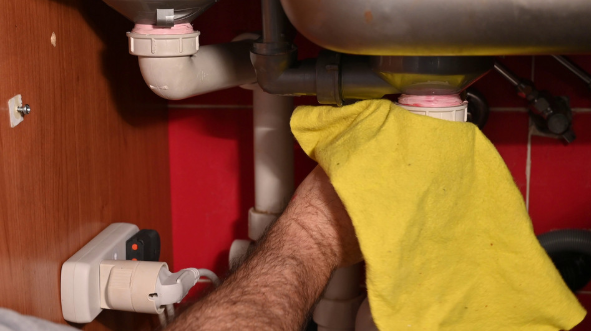
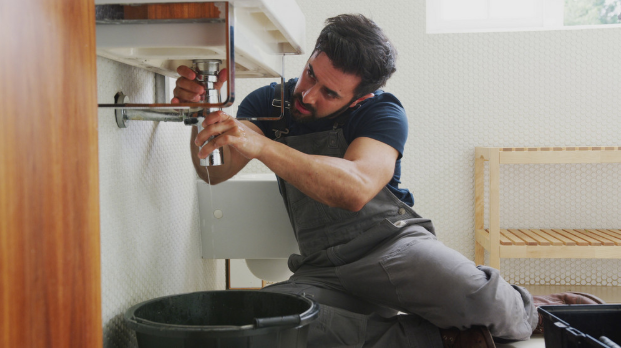
During an inspection, a plumber checks faucets, toilets, supply lines, water heaters, and visible pipes for signs of wear or leaks. Many also test water pressure, since pressure that’s too high can strain pipes and fixtures. Some use specialized tools such as acoustic detectors, thermal cameras, or sewer cameras to find leaks hidden underground or behind walls.
You can also do some detective work on your own. Check your water meter before and after a period when no water is being used; if the reading changes, you likely have a leak. Add a few drops of food coloring to your toilet tank and wait before flushing, since color appearing in the bowl means the flapper needs replacing. Watch for unexplained spikes in your water bill as well.
Finding a Plumber You Can Trust
When it’s time for an inspection or repair, you’ll have plenty of options. Amra & Elma reports that about 132,000 plumbing businesses operate throughout the United States. With so many choices, it pays to take a little time to find the right fit for your home.
Look for licensed and insured plumbers with solid reviews and experience in leak detection. Ask whether they offer routine maintenance plans, which can include scheduled inspections at a discounted rate. Request a written estimate before any repair work begins, and make sure the plumber explains what caused the problem and how to prevent it from happening again.
Building a relationship with a reliable plumber also helps in emergencies. When a pipe bursts or a water heater fails, knowing who to call can save valuable time and limit the damage to your home.
Small Checkups, Big Savings
Leaks are easy to ignore, but they cost homeowners money every day they go unrepaired. By scheduling routine plumbing inspections, watching for early warning signs, and working with a trusted professional, you can stop paying for wasted water and protect your home from hidden damage.