Water is one of the most precious resources on the planet, yet we often take it for granted in our homes. While environmental concerns are commonly associated with major industrial activities, domestic water wastage is a silent problem many homeowners overlook. Dripping faucets might seem trivial, but the cumulative effect is far more significant than most might consider.
The Surprising Scale of Domestic Leaks
Many homes inadvertently waste water each year due to minor leaks, which individually seem insignificant. Over time, a seemingly minor leak from a tap can contribute to over 10,000 gallons of waste annually. This figure is startling, especially when considering the broader impact multiplied across millions of households.
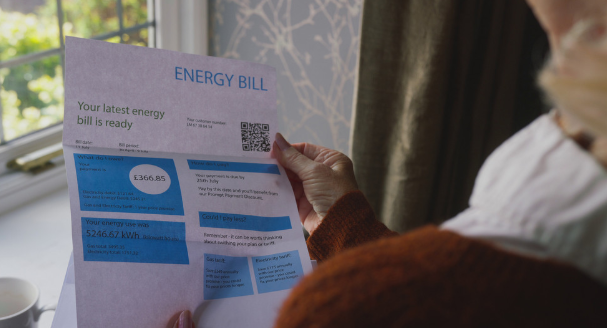
Homeowners are often oblivious to the gradual increase in their water bills due to such leaks. The steady drip-drop of a faucet might not catch one’s attention, but the rise in utility costs certainly should. Addressing these leaks can lead to substantial financial savings over time.
The environmental cost is another crucial consideration. Excessive water wastage directly impacts natural reserves, leading to depletion. Ensuring our homes are leak-free is not only economically wise but also a step towards environmental stewardship.
The True Cost of Leaking Toilets
Toilets, much like faucets, can be a significant source of water wastage if not properly maintained. A leaking toilet can waste up to 200 gallons of water every single day, translating to an enormous volume wasted annually. This finding, highlighted by Hook Agency, underscores the importance of routine maintenance.
Often, the signs of a leaking toilet are subtle, making it easy to ignore. However, ignoring these signs can lead to increased utility bills and further strain on local water supply systems. Regular inspections can help detect and resolve these issues before they escalate.
When left unchecked, the impact extends beyond individual households. As urban areas grow, the aggregated effect of such wastage can place stress on municipal water supplies. Proactive measures in our homes can contribute significantly to larger water conservation efforts.
Addressing National Plumbing Problems
The American Society of Plumbing Engineers conducted a survey revealing that roughly 14% of Americans encounter plumbing problems annually. This statistic sheds light on the prevalence of domestic leaks and other plumbing issues across the nation. It emphasizes the necessity for greater awareness and regular maintenance in homes.
Plumbing issues not only lead to wastage but can also cause structural damage if water infiltrates building materials. Such damage is often costly and inconvenient, highlighting the need for timely interventions. Addressing potential problems before they escalate can save homeowners both time and money.
Preventative measures can be simple yet effective. Educating homeowners on the importance of regular plumbing inspections can go a long way. By promoting routine checks, we can alleviate the broader implications these issues impose on society as a whole.
Rising Costs and Environmental Concerns
The financial implications of water leaks are evident in the rising utility bills faced by many households. Addressing these issues not only alleviates personal financial burdens but also aids in global conservation efforts. Long-term solutions require a blend of personal responsibility and broader infrastructural improvements.
Neglecting repairs can lead to more than just money issues. The environmental cost is substantial, with excess consumption depleting natural reserves. Investing in efficient plumbing systems and prompt repairs can mitigate these problems significantly.
Adopting water-saving technologies within homes is another step forward. Such innovations can ensure efficient usage and minimize wastage, aligning with modern sustainability goals. Together, these efforts present a holistic approach to managing the hidden costs of leaks.
A Call for Action
The hidden costs of dripping faucets extend beyond mere financial burdens. They affect environmental sustainability and highlight the need for increased awareness and action. By addressing leaks promptly, we not only save on water bills but also contribute positively to the planet.
Homeowners must recognize the significant impact their maintenance decisions have on the broader ecosystem. Regular checks and timely repairs should be integral aspects of home management. This proactive approach will ensure both economic and environmental benefits are realized.
The responsibility to conserve water must be embraced by every household. Through a combination of maintenance, awareness, and innovation, we can manage our resources effectively. The time to act is now, before the small drips turn into a significant drain on both pocketbook and planet.