
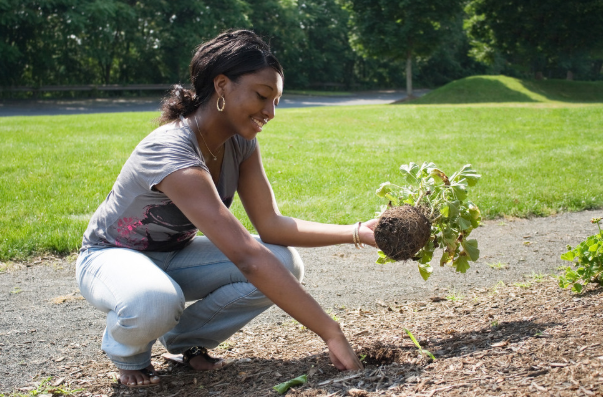
Mulching is a simple yet highly effective gardening technique that can drastically elevate the health and aesthetic of your yard or garden. It serves as both a protective barrier and a nourishing layer for your plants. In this article, we will explore the benefits of mulch, including how to effectively use it and why it should be an essential part of your gardening toolkit.
The Importance of Mulching in Gardening
Mulching is more than just a visually appealing addition to your garden; it plays a vital role in plant health. Firstly, mulch acts as a natural insulator for your soil, helping to regulate soil temperature. This temperature control is crucial for protecting plant roots from extreme conditions, both hot and cold.
Moreover, mulch significantly contributes to moisture retention. Covering the soil’s surface, it reduces evaporation and can help maintain consistent soil moisture levels. This effectively means you can water your garden less frequently, saving time and resources.
In addition, mulch can enrich the soil as it breaks down. Organic mulches, in particular, decompose over time, adding vital nutrients back into the soil. These nutrients are essential for plant growth, providing a robust environment for your garden to flourish.
Applying the Right Depth for Maximum Benefits
The depth of mulch is crucial to obtain its full benefits. Home Depot suggests that a mulch layer of two to three inches is most effective. This depth is optimal in allowing water and air to permeate through to plant roots, ensuring they receive the necessary respiration.
Applying more than three inches of mulch can hinder air and water flow, therefore causing potential harm to plants. Conversely, using less than two inches may not provide the insulation and moisture retention benefits that are needed. Hence, achieving the right balance is key to maximizing mulch effectiveness.
For those new to gardening, this guideline can serve as a straightforward starting point. Regularly checking mulch depth and condition ensures that your garden maintains this beneficial layer year-round. This practice will cement mulch’s role as an indispensable gardening ally.
Choosing When to Refresh Your Mulch
The longevity of mulch is influenced by several factors, including type and environmental conditions. LawnStarter recommends that mulch should typically be replaced every one to two years. Regular replacement ensures that your garden continues to enjoy the protective and nourishing benefits mulch offers.
Environmental factors such as rain, sun exposure, and wind can accelerate the decomposition of organic mulches. Over time, these natural forces will thin the mulch layer, reducing its effectiveness. Therefore, monitoring and refreshing your mulch is essential for sustained garden health.
Replacing mulch should align with your gardening tasks, such as spring start or fall maintenance. Integrating mulch replacement with these gardening activities can streamline upkeep and guarantee your garden remains lush and vibrant throughout every season.
Statistics on Gardening and Mulching Practices
Gardening has become increasingly popular, with more than half of US households maintaining a garden, as reported by Ruby Home. This demonstrates a growing trend towards incorporating green spaces and home-grown solutions within residential areas. Mulching complements this practice by enhancing the beauty and health of these gardens.
Given this widespread engagement in gardening, households need to adopt effective practices like mulching. With its benefits of moisture retention, soil temperature regulation, and nutrient provision, mulch is an integral addition to any garden endeavor.
Encouraging sustainable gardening practices can have a broader environmental impact while ensuring personal satisfaction and enjoyment from home gardening. Mulching stands out as a feasible step toward achieving a more sustainable and productive garden space.
Thoughts on Using Mulch
Incorporating mulch into your landscaping and gardening activities offers numerous benefits, from maintaining soil health to improving plant growth and visual appeal. By adhering to the recommended depth and renewal practices, gardeners can enjoy the full advantages. Mulching bridges the connection between efficient gardening practices and the lush garden spaces that many homeowners aspire to achieve.
It’s clear that mulch serves multiple purposes, each contributing to the sustainability and aesthetic of your garden. Whether you are a novice or seasoned gardener, understanding mulch’s role can help you make informed decisions about your landscaping practices. Ultimately, it’s a simple yet effective tool that can make a significant difference in your gardening success.
We hope this article has provided valuable insights into the benefits and proper use of mulch in your garden. Mulch not only boosts the look and health of your yard but also supports wider gardening trends, affirming its place as an essential gardening practice. As you move forward, may your garden thrive under the protection and nourishment that mulch provides.