
Outdoor spaces have become an important extension of the home, offering places to relax, gather, and connect with nature. Landscaping and gardening shape how these areas look, feel, and function on a daily basis. While landscaping often focuses on layout and structure, gardening brings life, texture, and seasonal change into the space. Together, they create outdoor environments that feel welcoming rather than static.
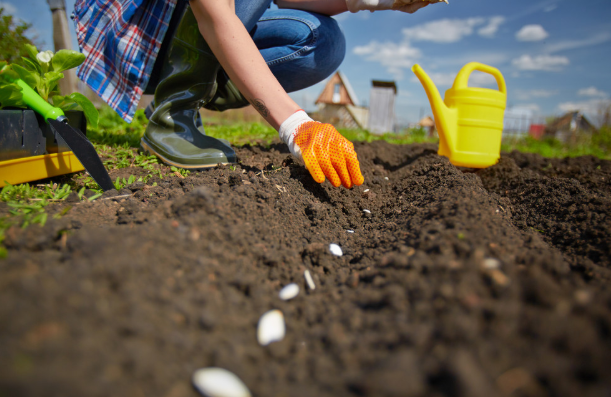
Enjoyable outdoor spaces are not defined by size or complexity. They are shaped by balance, maintenance, and how well plants and layouts support everyday use. Gardening plays a major role in this process by softening hard edges, introducing color, and encouraging regular interaction with the yard. From flower beds to vegetable gardens, planted areas give outdoor spaces personality and purpose.
Why Yard Care Matters to Homeowners
For many homeowners, maintaining a yard is about more than appearance. Well-kept outdoor areas support relaxation, pride of ownership, and overall enjoyment of the property. Research from Harris shows that 90% of people who own a yard believe maintenance is important. At the same time, 2 out of 3 backyard owners say they would hire a professional to help care for trees, shrubs, and other woody plants. This reflects how much value people place on outdoor spaces, even when the work involved feels overwhelming.
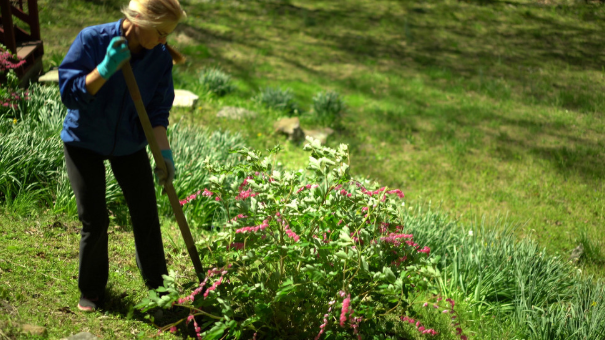
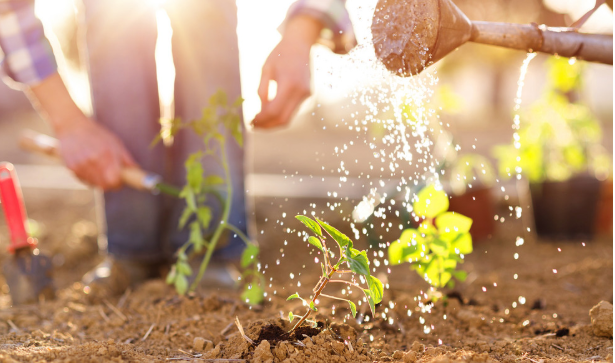
Gardening requires consistency and attention throughout the year. Plants need proper spacing, soil conditions, watering routines, and seasonal care to stay healthy. Without regular upkeep, gardens can quickly become overgrown or unbalanced, making the yard harder to enjoy. When gardening tasks are managed thoughtfully, planted areas enhance outdoor spaces rather than adding stress, allowing homeowners to enjoy growth and change without constant upkeep.
Landscaping as a Long-Term Investment
Beyond enjoyment, gardening and landscaping often contribute to long-term value. Thoughtfully planned planting beds can improve drainage, reduce erosion, and support healthier soil over time. According to LawnStarter, the return on investment for a landscaping project can reach as much as 100%. This highlights how outdoor improvements, including gardens, can deliver both functional and financial benefits.
Gardening choices influence how sustainable and manageable a yard becomes. Native plants, perennial beds, and well-planned layouts often require less water and maintenance once established. Over time, these choices help reduce upkeep while keeping the yard visually appealing. When gardens are designed with longevity in mind, they continue to perform well across seasons without needing frequent replacement or redesign.
How Landscaping Influences Home Value
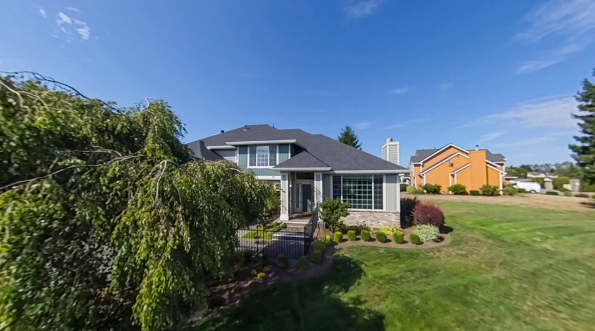
Gardens often shape first impressions just as much as hardscape features. Buyers tend to notice healthy plants, defined garden beds, and mature trees as signs of consistent care. According to HomeLight, more than 75% of top real estate agents across the country say well-landscaped homes are worth between 1% and 10% more than homes with no landscaping. Gardening plays a key role in that perception.
Well-maintained gardens help buyers imagine how they would use outdoor space, whether for entertaining, relaxing, or personal hobbies. Flowering plants, shade trees, and organized planting areas suggest balance and usability rather than neglect. Even for homeowners with no plans to sell, gardening supports curb appeal and creates outdoor spaces that feel complete rather than unfinished.
Gardening brings outdoor spaces to life by adding movement, color, and seasonal interest. Alongside landscaping, it helps shape yards that feel inviting and usable rather than purely decorative. Regular care, thoughtful plant selection, and balanced layouts allow outdoor spaces to grow and change while remaining enjoyable.
By focusing on gardening as an ongoing process rather than a one-time project, homeowners can create outdoor areas that support relaxation, personal expression, and long-term value. Whether planting flowers, tending shrubs, or cultivating a small garden bed, these efforts help transform yards into spaces that feel lived in, cared for, and genuinely enjoyable.