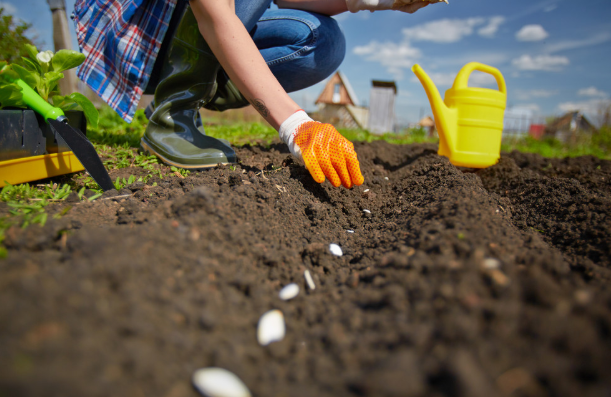
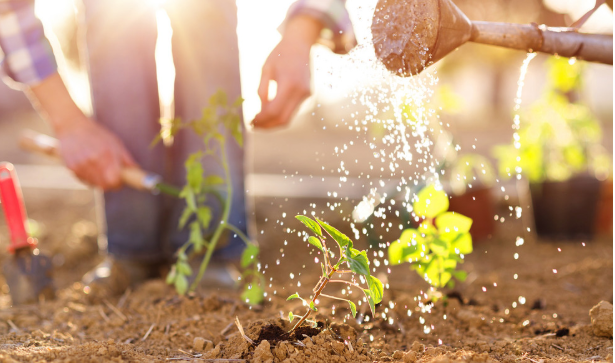
Starting a garden can be an exciting way to improve an outdoor space, grow fresh food, or simply spend more time outside. However, with so many vegetables, herbs, flowers, shrubs, and other plants available, deciding what to grow can sometimes be more difficult than planting the garden itself.
The best choices depend on more than personal preference. Homeowners should consider their available space, climate, sunlight, maintenance expectations, and budget before purchasing plants or seeds. Thinking through these factors can help create a garden that is both attractive and manageable.
Consider the Long History of Flowering Plants
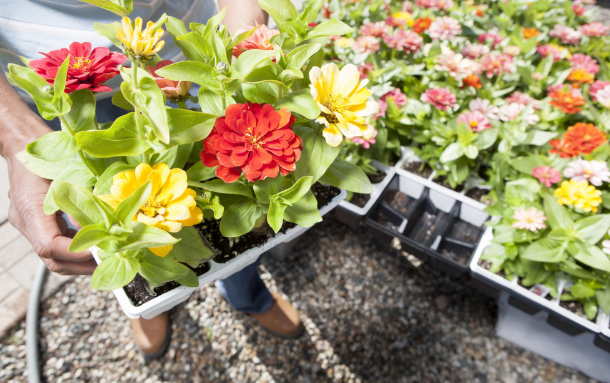
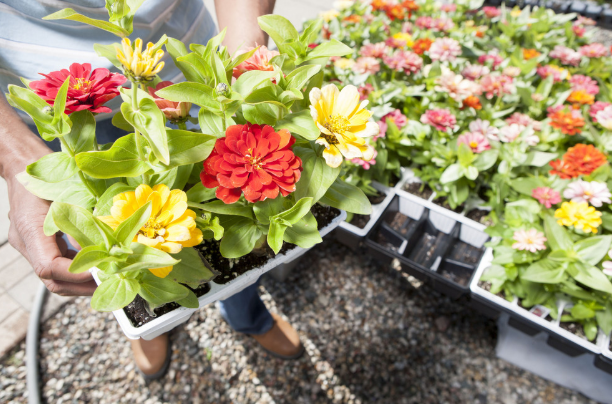
Flowers can provide color, texture, and visual interest while helping homeowners create a garden that reflects their preferred style.
According to Encyclopedia Britannica, flowering plants, known as angiosperms, first emerged during the Early Cretaceous period around 130 million years ago. Today, homeowners can choose from an enormous variety of flowering plants. Annuals can provide abundant seasonal color, while perennials may return year after year when grown under appropriate conditions.
Before choosing flowers, consider when different plants bloom. Combining spring, summer, and fall bloomers can help maintain color throughout much of the growing season. Homeowners should also pay attention to mature plant size so taller varieties do not unintentionally block smaller flowers.
Determine How Much Sunlight Your Garden Receives
Sunlight is one of the most important considerations when deciding what to plant.
Some vegetables and flowers perform best with several hours of direct sunlight each day, while others tolerate or prefer partial shade. Before buying plants, homeowners should observe the proposed garden location at different times throughout the day.
An area that appears sunny in the morning may be shaded by the house or nearby trees later in the afternoon.
Plant labels and seed packets generally provide sunlight recommendations. Matching those recommendations to actual yard conditions gives plants a better opportunity to thrive.
Decide Whether You Want to Grow Food
For many people, the ability to produce fresh ingredients at home is one of gardening’s biggest attractions.
According to RubyHome, 43% of people garden to grow food. Homeowners interested in an edible garden should begin by considering what their household actually eats. Growing large quantities of vegetables that nobody enjoys may result in wasted space and produce.
Tomatoes, peppers, lettuce, herbs, cucumbers, and other common garden plants can be useful choices, depending on local growing conditions. People with limited room may be able to grow herbs, tomatoes, or smaller vegetables in containers rather than traditional garden beds.
Choosing foods the household frequently uses can make maintaining the garden feel more worthwhile.
Think About the Amount of Available Space
The size of the yard does not necessarily determine whether someone can garden successfully. Instead, it influences which gardening methods are most practical.
Large yards may provide room for traditional vegetable plots, flower beds, fruit trees, or extensive landscaping. Smaller yards can use raised beds or compact planting areas.
Even balconies and patios can support container gardens.
Homeowners should consider the mature size of plants before placing them. A small plant purchased from a garden center may eventually require considerably more room.
Proper spacing can improve airflow and reduce overcrowding while giving each plant access to sunlight and nutrients.
Establish a Gardening Budget
Gardening expenses can include more than plants and seeds. Soil, mulch, tools, fertilizers, containers, irrigation equipment, fencing, and landscaping materials can all contribute to the total cost.
According to This Old House, the average household spent $616 on lawn and gardening activities in 2022. Homeowners can establish a budget before visiting a garden center to prevent a simple project from becoming more expensive than expected.
Starting small can also be useful for beginners. A few garden beds or containers allow homeowners to learn what grows well on their property before committing to a larger landscape project.
Plants that return each year may also provide long-term value compared with purchasing entirely new plants every season.
Evaluate Your Local Climate
Not every plant can thrive in every location.
Temperatures, rainfall, frost dates, humidity, and seasonal conditions can all affect what homeowners should grow. Researching the local growing zone can provide a useful starting point when selecting plants.
Gardeners should also consider the length of the growing season. Certain vegetables require more time to mature, while others can be harvested relatively quickly.
Local nurseries can often provide plants that are well suited to the area’s conditions. Native plants may be another practical option because they are naturally adapted to the regional environment.
Consider How Much Maintenance You Want
Some homeowners enjoy spending hours working in the garden, while others prefer landscaping that requires minimal attention.
Either approach can work, but maintenance expectations should influence plant selection.
Certain plants require frequent watering, pruning, fertilizing, or pest management. Others can survive with relatively little intervention once established.
Before purchasing a plant, homeowners should research its typical care requirements. Filling an entire yard with high-maintenance plants may become overwhelming for someone who only has a small amount of time available each week.
Selecting plants that match the homeowner’s desired level of involvement can make gardening more enjoyable.
Pay Attention to Soil Conditions
Healthy plants depend heavily on the soil in which they grow.
Different plants may prefer different drainage levels, soil types, or acidity levels. Homeowners who have struggled to grow plants in the past may want to evaluate their soil before choosing new varieties.
Adding compost or other organic material may improve certain soils. Raised beds can also give gardeners greater control over growing conditions because they can choose the soil mixture used inside them.
Understanding existing conditions first can reduce the temptation to continually replace plants that are poorly suited to the location.
Grow a Mixture of Plants
A garden does not have to serve only one purpose. Combining edible and decorative plants can make an outdoor area both useful and visually interesting.
Herbs can be planted alongside flowers, while vegetables can be incorporated into attractive raised beds. Fruit-bearing shrubs may provide both landscaping interest and something to harvest.
Homeowners can also use plants with different heights, colors, textures, and blooming periods to create greater variety.
Planning the overall appearance before planting can make the garden feel intentional rather than like a collection of unrelated plants.
Start With Plants You Are Excited to Maintain
Gardening is easier to stick with when homeowners genuinely enjoy what they are growing.
Someone who loves cooking might prioritize herbs and vegetables. A homeowner interested in curb appeal might focus on colorful flowers and shrubs. Others may prefer a combination that provides both food and attractive landscaping.
There is no single garden design that works for everyone.
Create a Garden That Fits Your Home and Lifestyle
Choosing what to grow requires balancing appearance, practicality, available space, and personal preferences. Homeowners should consider sunlight, climate, soil, budget, maintenance requirements, and how they ultimately want to use the garden.
Starting with a manageable selection of plants provides an opportunity to learn what performs well before expanding.
By choosing plants that fit both the property and the household’s interests, homeowners can create a garden that is easier to maintain and more enjoyable throughout the growing season.