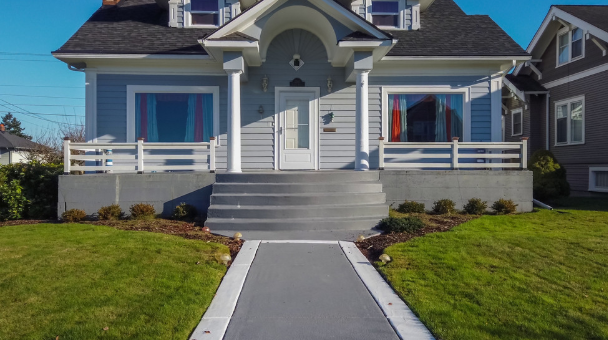
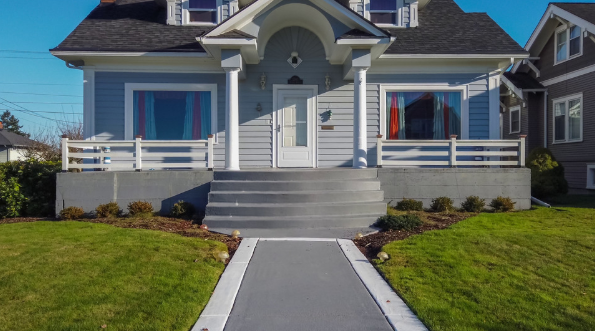
A walkway may seem like a small feature compared with a new roof, updated kitchen, or freshly painted exterior. However, the right walkway can make a noticeable difference in how a property looks and functions. From creating a more inviting entrance to connecting outdoor spaces, a thoughtfully designed walkway can contribute to both everyday enjoyment and long-term home value.
Create a More Welcoming First Impression
A walkway is often one of the first features people notice when approaching a home. Cracked concrete, uneven surfaces, stains, or an outdated design can make an otherwise attractive property look neglected. On the other hand, a clean, well-designed walkway can create a natural transition from the driveway or sidewalk to the front entrance.
Stamped concrete can be particularly appealing for homeowners who want to combine practicality with visual interest. The material can be designed to resemble brick, stone, slate, or other surfaces, allowing homeowners to complement the architectural style of their property without necessarily using individual pavers.
The design possibilities can also extend beyond the surface itself. Curved walkways, decorative borders, strategic lighting, and landscaping can help create a more polished appearance. Even relatively simple improvements can make the path feel like an intentional part of the home’s overall design rather than merely a route from one location to another.
Choose an Upgrade Designed to Last
Home improvements are more appealing when they are not constantly demanding attention. A walkway that requires frequent repairs can become a source of frustration, particularly when weather, foot traffic, and vegetation continually take their toll.
Stamped concrete can offer an option for homeowners who want a durable walkway with relatively modest maintenance needs. According to This Old House, a stamped concrete walkway can remain functional for approximately 25 years with minimal repairs.
That longevity can make the initial investment easier to view as part of a home’s long-term improvement strategy. Instead of focusing exclusively on the upfront appearance, homeowners can consider how the walkway may perform over many years.
Of course, durability depends on factors such as installation quality, climate, drainage, soil conditions, and ongoing care. Proper preparation and installation can be especially important because problems beneath the surface may eventually affect the finished walkway.
Make Outdoor Spaces More Usable
A walkway does more than lead guests to the front door. It can also help connect different parts of a property and encourage homeowners to use their outdoor spaces more often.
For example, a walkway could connect a patio to a garden, create an attractive route to a backyard seating area, or provide easier access between a driveway and a side entrance. These connections can make an outdoor area feel more cohesive while providing a practical path for everyday movement.
This can be especially useful when homeowners are creating outdoor spaces for entertaining. A well-positioned walkway can help guests move naturally between seating areas, gardens, patios, and other features without having to cross grass or navigate uneven ground.
According to TheHomeMag, patios, decks, and walkways can expand outdoor living space while providing a return on investment of more than 70%. This suggests that an outdoor improvement can offer value beyond aesthetics when it enhances how homeowners use their property.
Keep Maintenance Simple
Even a durable walkway needs occasional attention. Dirt, leaves, moisture, algae, and other outdoor debris can gradually affect its appearance. Fortunately, keeping a walkway looking presentable does not necessarily require constant cleaning.
Routine sweeping can remove loose debris before it accumulates, while addressing stains promptly may help prevent them from becoming more difficult to remove. Homeowners should also keep an eye on nearby vegetation. Overgrown plants can encroach on the walkway, while roots may eventually create problems depending on their location.
For many properties, occasional power washing can provide a deeper clean. This Old House recommends power washing a walkway once or twice annually for most homeowners. More frequent cleaning may be appropriate when a walkway receives substantial foot traffic or is located in an environment where mold and algae are common.
The goal is not necessarily to make walkway maintenance a major household chore. Instead, simple seasonal care can help preserve its appearance and allow homeowners to notice potential problems before they become more significant.
Think Beyond Curb Appeal
A walkway may not be the first home improvement that comes to mind when homeowners consider where to invest their time and money. Yet its impact can extend beyond the visual appearance of a property.
A thoughtfully designed walkway can make an entrance more inviting, connect outdoor living areas, provide a durable surface for everyday use, and potentially contribute to the property’s overall value. It can also complement other improvements, helping landscaping, patios, lighting, and exterior features feel like parts of one cohesive design.
For homeowners considering an outdoor upgrade, the key is to look at the entire property rather than treating the walkway as an isolated feature. The right placement, material, design, and maintenance approach can turn an ordinary path into a useful and attractive part of the home for years to come.
A Small Upgrade With Lasting Impact
A better walkway can do much more than improve curb appeal. When designed with durability, usability, maintenance, and the surrounding landscape in mind, it can help homeowners get greater enjoyment from their property while creating a more polished outdoor environment.
Whether the goal is to refresh a front entrance or connect several outdoor living spaces, a well-planned walkway can be a worthwhile improvement. With thoughtful design and regular care, it can remain an attractive and functional feature long after the initial project is complete.