Lighting affects much more than how bright a room appears. The right fixtures, wiring, spacing, and technology can make a home more functional while also supporting energy efficiency. However, homeowners can easily make lighting choices that create unnecessary costs, uneven illumination, or problems that may require professional attention later.
Understanding some of the most common lighting mistakes can make it easier to plan upgrades and maintain a comfortable home. Whether you are replacing an old fixture, adding outdoor lighting, or exploring smart technology, a thoughtful approach can help you get better results. Paying attention to wiring, fixture placement, and energy use can also make lighting improvements more practical over time.
Choosing the Wrong Wiring for a Lighting Project
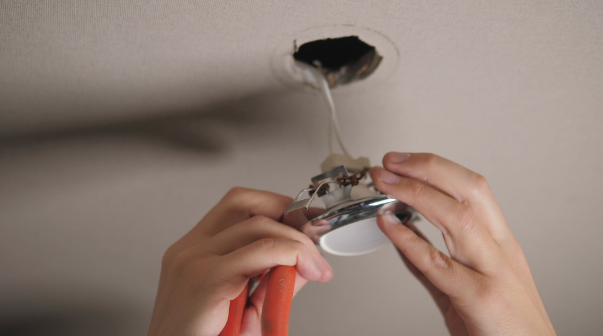
One of the most important considerations when installing or modifying lighting is making sure the electrical wiring is appropriate for the circuit. Homeowners may assume that all electrical wires are interchangeable, but different circuits can require different wire gauges. Using an unsuitable wire can create safety concerns and may prevent an electrical system from operating as intended.
According to This Old House, 14-gauge wire is generally used for lighting circuits, while 12-gauge wire is commonly used for general-purpose outlets. This distinction demonstrates why homeowners should understand what type of circuit they are working with before attempting an electrical modification. Wiring decisions should not be based simply on what looks convenient or what happens to be available.
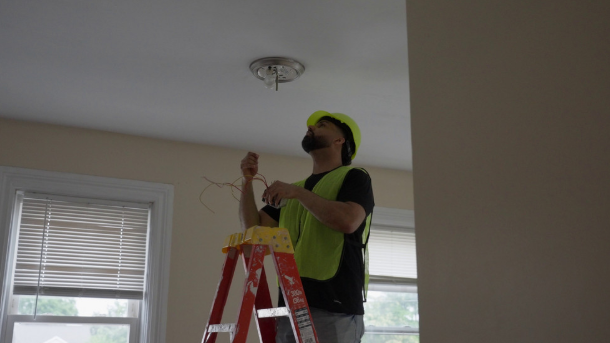
Another common mistake is assuming that a lighting upgrade only involves replacing a fixture. Adding new lights or changing how existing lights are connected can affect the electrical load and circuit configuration. Before making changes, homeowners should consider having an electrician evaluate the existing setup, particularly when the project involves new wiring, unfamiliar connections, or changes to the electrical panel.
Installing Fixtures Without Considering Spacing
The location of a light fixture can influence how evenly a space is illuminated. Installing fixtures too close together may create excessive brightness in certain areas while leaving other parts of a room underlet. On the other hand, placing lights too far apart can create noticeable dark spots that make a space less functional.
According to This Old House, lighting fixtures should generally be positioned at least 20 feet apart. Keeping spacing in mind can help homeowners create a more consistent lighting layout instead of placing fixtures wherever there happens to be available ceiling or wall space. The ideal arrangement will also depend on the size of the room, the type of fixture, the purpose of the space, and the amount of existing natural light.
Homeowners should also think about how people use each room before deciding where lights belong. A kitchen may need concentrated illumination around work areas, while a living room may benefit from several layers of softer lighting. Outdoor areas require similar planning, especially when illuminating walkways, landscaping, patios, or other features where inconsistent lighting can affect visibility.
A lighting plan can prevent unnecessary changes after installation. Marking fixture locations in advance makes it easier to identify areas that may need more illumination and prevents a finished project from looking unbalanced. Taking time to consider placement can also make individual fixtures more useful because the light is directed where it is actually needed.
Overlooking Energy-Efficient Lighting Options
Another mistake is focusing only on the initial cost of a lighting upgrade. A fixture may be affordable to purchase, but the amount of energy it uses can affect household expenses over time. Homeowners who are replacing multiple lights may have an opportunity to improve efficiency while also updating the appearance and functionality of their spaces.
LED and smart lighting systems can provide options beyond simply turning lights on and off. Smart controls can allow homeowners to adjust brightness, create schedules, and manage lights from connected devices. These features can make it easier to avoid leaving lights on unnecessarily, particularly in rooms or areas that are not occupied throughout the day.
According to Gov Tech, LED smart lighting has the potential to reduce lighting-related energy costs by as much as 70%. That potential reduction shows why energy consumption deserves consideration when homeowners evaluate lighting upgrades. Actual savings will depend on factors such as existing lighting technology, usage patterns, electricity rates, and the specific system installed.
It is also important to avoid assuming that every smart lighting product will automatically deliver the same results. Homeowners should compare features, compatibility, installation requirements, and controls before selecting a system. A lighting upgrade should fit the way a household actually uses its spaces rather than adding technology simply because it is available.
Planning can also help homeowners avoid replacing fixtures repeatedly. Choosing appropriate lighting for each room, considering energy use, and selecting controls that are convenient can make an upgrade more useful over the long term. When electrical work or new wiring is involved, professional guidance can help ensure that the installation is handled appropriately.
Lighting decisions can have a noticeable effect on comfort, functionality, and household energy use. Avoiding common mistakes starts with understanding the electrical requirements of a project, planning fixture placement carefully, and considering efficient lighting technologies. Homeowners who take these factors into account can approach lighting improvements with a clearer idea of what their spaces need. For projects involving electrical modifications or unfamiliar wiring, working with a qualified professional can also help address potential issues before they become larger problems.