Creating a home that feels comfortable and visually cohesive does not always require a major renovation. Often, the most noticeable improvements come from smaller design decisions that bring a room together. The right combination of colors, furniture, lighting, artwork, and decorative accents can transform an ordinary space into one that feels intentional and reflective of the homeowner’s personality.
Whether refreshing a single room or developing a design style throughout the entire house, homeowners can benefit from considering how individual elements work together. A balanced approach to decorating can make spaces feel more welcoming while allowing personal preferences to take center stage.
Start With a Consistent Design Direction
Before purchasing new furniture or accessories, it can help to establish a general design direction. Some homeowners gravitate toward clean, contemporary spaces, while others prefer traditional, rustic, minimalist, or eclectic interiors. There is no single style that works for every home, and combining elements from different styles can also create an appealing result.
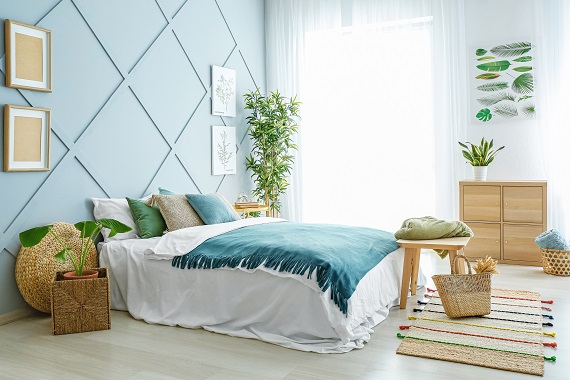
Color is one of the easiest ways to establish consistency. Choosing a primary color palette and incorporating complementary shades throughout a room can help different elements feel connected. Neutral walls and larger furniture pieces can provide a versatile foundation, while artwork, pillows, rugs, and other accents can introduce additional color.
Materials and textures are also important. Wood, metal, glass, fabric, and natural materials can add dimension and keep a room from feeling flat. Combining different textures can create visual interest without requiring dramatic changes.
Make Artwork Part of the Overall Design
Artwork can add personality and character to a home while helping homeowners express their interests and experiences. Instead of selecting wall art simply to fill a space, consider how each piece works with the room’s colors, furniture, and overall atmosphere.
The way artwork is displayed can make just as much of a difference as the artwork itself. A carefully selected custom frame can complement a piece while helping it fit naturally within the surrounding decor. Different frame materials, profiles, and finishes can create very different effects, allowing homeowners to customize the presentation to suit their interior.
Artwork can also be arranged in collections. A gallery wall featuring photographs, prints, paintings, or other meaningful pieces can create a focal point while giving the room a more personal feel.
Balance Function and Style
Good home design should look appealing without sacrificing practicality. Furniture should fit the available space and serve a purpose, while decorative pieces should enhance the room rather than make it feel crowded.
Traffic patterns are particularly important in frequently used spaces. Leaving enough room to move comfortably between furniture and other features can make a room feel more open. Storage should also be considered when planning a design. Shelving, cabinets, baskets, and other storage solutions can keep everyday items organized while contributing to the room’s aesthetic.
Lighting is another important part of the balance between function and style. Layering overhead lighting with lamps, accent lighting, or natural light can make a space more versatile throughout the day.
Personalize Your Space With Meaningful Details
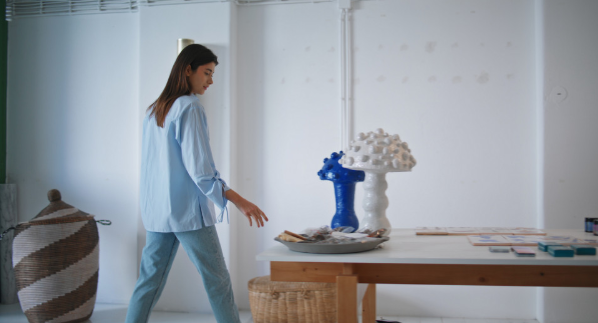
The most successful home designs often reflect the people who live in them. Family photographs, artwork, travel mementos, books, plants, and other personal items can make a space feel distinctive rather than staged.
These details do not need to follow a strict design formula. Instead, homeowners can focus on choosing items they genuinely enjoy and finding thoughtful ways to incorporate them into the room.
A cohesive home does not have to look perfectly coordinated. By combining a consistent design direction with functional furniture, intentional artwork, and meaningful decorative details, homeowners can create spaces that feel both polished and personal. Small design choices can ultimately have a significant impact on how a home looks, feels, and functions.