
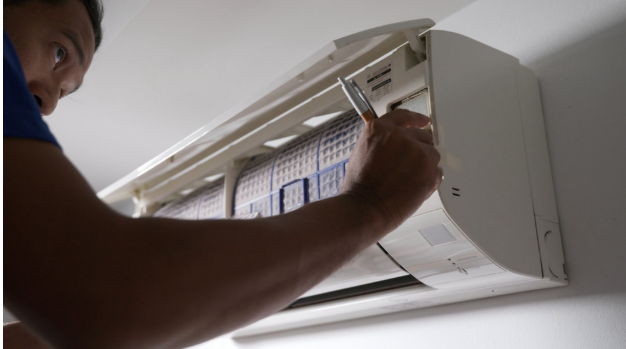
Air conditioning was once considered a luxury in American homes. Today, it is a standard feature that millions of households depend on throughout the warmer months. As cities expanded, home designs changed, and people became accustomed to controlled indoor temperatures, air conditioning became closely tied to everyday comfort.
Modern HVAC systems do much more than cool a room. They help regulate temperature throughout the home, support indoor air circulation, and allow families to remain comfortable during long periods of heat. Over time, that convenience transformed air conditioning from an optional upgrade into something many homeowners now consider essential.
The HVAC Industry Has Grown Along with Demand
The widespread use of heating and cooling equipment has created a massive industry dedicated to installation, maintenance, repair, and replacement.
According to IBIS World, there are approximately 120,000 to 170,000 active HVAC companies in the United States. That large number reflects how important heating and cooling systems have become to residential and commercial properties. Homeowners may rely on HVAC professionals for annual maintenance, emergency repairs, new installations, ductwork, thermostat upgrades, and other services.
As more homes became equipped with central air conditioning, the need for trained technicians and service companies also increased. Today, HVAC businesses operate throughout the country because nearly every climate requires some combination of heating, cooling, or ventilation during the year.
Air Conditioning Changed Where Americans Could Live Comfortably
Before widespread residential air conditioning, hot and humid climates could be much more difficult to tolerate indoors.
Homes often relied on windows, porches, fans, and architectural designs intended to improve natural airflow. These methods could help, but they could not provide the consistent temperatures that modern air conditioning offers.
As cooling systems became more accessible, living in extremely warm regions became more comfortable. Families could keep homes cool even during long stretches of high temperatures.
Air conditioning also influenced the way homes were designed. Instead of depending entirely on large windows and natural ventilation, builders could create enclosed spaces that relied on mechanical climate control.
Heating and Cooling Account for Major Household Energy Use
The comfort provided by HVAC equipment comes with significant energy demand.
According to This Old House, in the standard American home, about 52% of the energy used will be for heating and cooling. That means temperature control can represent one of the largest portions of household energy consumption.
The amount of energy a particular home uses depends on several factors, including climate, insulation, home size, thermostat settings, system efficiency, and how often the equipment operates.
Because HVAC systems consume so much energy, small efficiency improvements can make a noticeable difference. Routine maintenance, improved insulation, sealed air leaks, and reasonable thermostat settings can all help reduce unnecessary heating and cooling use.
Modern Lifestyles Depend on Consistent Indoor Temperatures
Changes in how Americans live and work have also contributed to the importance of air conditioning.
People spend significant amounts of time indoors at home, particularly as remote work, home entertainment, and indoor recreation have become more common.
A comfortable indoor environment makes it easier to sleep, work, cook, and complete everyday activities during hot weather.
Many electronic devices and appliances also generate heat. Computers, televisions, kitchen equipment, and other devices can contribute to indoor temperatures, making cooling even more valuable.
Air conditioning allows homeowners to maintain relatively consistent conditions regardless of what is happening outdoors.
Modern Homes Can Hold Heat
Energy-efficient construction has many benefits, but modern homes are also often designed to be tightly sealed.
Better windows, insulation, and weather sealing help prevent conditioned air from escaping. However, that same construction can allow heat to remain trapped inside if the home does not have effective cooling.
Central HVAC systems provide a controlled way to manage indoor temperatures while working with the building’s insulation and air-sealing features.
Proper ventilation remains important as well. Heating, cooling, and ventilation systems need to work together to create a comfortable indoor environment.
HVAC Systems Can Serve Homes for Decades
One reason homeowners view HVAC systems as a major part of the property is that the equipment can remain in service for many years.
According to Home Guide, HVAC systems typically remain in service for 15 to 25 years, depending on the brand and overall usage. That lifespan makes an HVAC system a long-term home investment rather than a temporary appliance.
Maintenance can have a significant influence on how well equipment performs over time. Filters should be changed regularly, outdoor units should remain free of debris, and unusual sounds or performance changes should be investigated.
Professional inspections may also help identify worn components before they lead to larger failures.
Central Air Made Whole-Home Cooling Possible
Early cooling solutions often focused on individual rooms. Window units and portable systems can still be useful today, but central air conditioning changed expectations by allowing homeowners to cool an entire house through one connected system.
Ductwork distributes conditioned air throughout multiple rooms, while a central thermostat controls the desired temperature.
This makes it easier to maintain consistent conditions across the home.
Modern systems may also include multiple zones, smart thermostats, and other controls that allow homeowners to customize temperatures more precisely.
Air Conditioning Became an Expectation for Homebuyers
As residential air conditioning became more common, buyers increasingly began expecting it.
In many parts of the country, a home without adequate cooling may be less appealing, particularly in regions that experience long, hot summers.
Buyers may pay attention to the age and condition of HVAC equipment during a home inspection. An old or unreliable system can represent a significant future expense.
For sellers, maintaining the HVAC system can therefore affect more than comfort. It can also influence how prospective buyers view the property’s overall condition.
Technology Has Improved HVAC Efficiency
Modern air conditioning systems are generally more sophisticated than older equipment.
Variable-speed motors, smart thermostats, improved compressors, and better system controls can help manage energy use while maintaining comfort.
Homeowners can also program temperature changes based on schedules. For example, the system may reduce cooling while nobody is home and return to a comfortable setting before residents arrive.
These improvements make it possible to balance comfort with energy efficiency more effectively than in earlier generations of residential cooling.
AC Has Changed Expectations Around Summer Comfort
Generations who grew up with air conditioning often view a cool home during summer as normal rather than exceptional.
That expectation has changed how people respond to heat. Instead of adjusting household routines around the hottest portion of the day, families can continue normal activities indoors.
Bedrooms can remain comfortable overnight, kitchens can be used without dramatically raising indoor temperatures, and home offices can remain usable throughout the afternoon.
This consistency is one of the primary reasons air conditioning became so deeply integrated into American life.
Maintenance Helps Keep an Essential System Reliable
Because households depend heavily on HVAC systems, unexpected failures can be highly disruptive.
Homeowners can reduce the likelihood of problems by performing routine maintenance and responding quickly to warning signs.
Filters, thermostats, vents, ductwork, and outdoor equipment should all receive attention. Professional service may also be necessary to inspect electrical components, refrigerant systems, and mechanical parts.
Taking care of the equipment can help protect both efficiency and reliability.
Air Conditioning Is Now Part of Everyday American Life
Air conditioning became a necessity gradually as technology, home construction, lifestyles, and climate expectations evolved.
What once represented a luxury now plays a central role in maintaining comfortable indoor environments. Americans rely heavily on HVAC systems, and a significant portion of household energy is devoted to heating and cooling.
With systems capable of operating for decades and an enormous industry supporting their installation and maintenance, air conditioning is now deeply embedded in modern housing. For many homeowners, reliable cooling is no longer simply a convenient feature. It is an essential part of making a home comfortable and functional throughout the year.
More from Ghar360 Blog
 How to Replace Your AC and Heater in Berkeley CA?
 Your Windows Might Be Your Home’s Biggest Energy Problem
 Increase Your Home Efficiency with Easy Improvements
 Is Your Furnace or AC Due for Replacement? Learn What to Consider Before Updating Your Unit
 3 Common HVAC Problems Homeowners Experience and How Pros Fix Them