Home safety is an essential aspect of owning a property, and understanding the intricate details of electrical systems can significantly contribute to this. With technology advancing, household electrical demands have increased, and it’s crucial to ensure that your home’s electrical panel can safely handle today’s energy needs. Taking proactive steps to maintain and update your electrical panel is not just about convenience; it’s a measure that protects your home from potential electrical fires.
Understanding the Capacity of Today’s Electrical Panels
The electrical service provided in the majority of residential homes today typically offers a capacity ranging from 100 to 200 amperes. This capacity is essential to accommodate modern household appliances and gadgets, which often require considerable amounts of electricity. Knowing the capacity your home requires can help prevent overloading the system, which is one of the primary causes of electrical fires.
Incorporating the knowledge of your electrical system’s capacity can play a pivotal role in ensuring that your home remains safe from potential hazards. With ongoing technological advancements leading to an increased need for electricity, regularly assessing your home’s capacity becomes necessary. By maintaining an upgraded electrical panel compatible with your energy consumption, you mitigate the risk of wiring overloads.
Keeping your home electrical system in check should be a priority for every homeowner. Not only does this ensure smooth daily operations, but it also safeguards one’s property and family against dangerous electrical mishaps. Ensuring that your electrical system can adequately support all your appliances reduces the likelihood of overheating and fires.
Common Causes and Consequences of Electrical Fires in Homes
Each year, electrical fires contribute significantly to home damage, resulting in approximately 51,000 fires annually. These incidents lead to tragic outcomes, with around 500 fatalities and 1,400 injuries recorded, along with a staggering $1.3 billion in property losses. Understanding these statistics stresses the importance of taking preventative measures against electrical fires.
An electrical fire can rapidly escalate, causing not just structural damage but also posing severe threats to the lives of residents. The fact that such a substantial number of fires occur stresses the need for vigilance and proper maintenance of electrical systems. Prioritizing electrical safety in the home is a direct investment in peace of mind and overall well-being.
Through knowledge and preparedness, the risks associated with electrical fires can be significantly minimized. Taking regular checks of your electrical panel, circuits, and wiring can identify early signs of potential issues. Such proactive measures form a crucial line of defense, reducing the likelihood of severe consequences arising from electrical hazards.
The Process and Benefits of Replacing an Electrical Panel
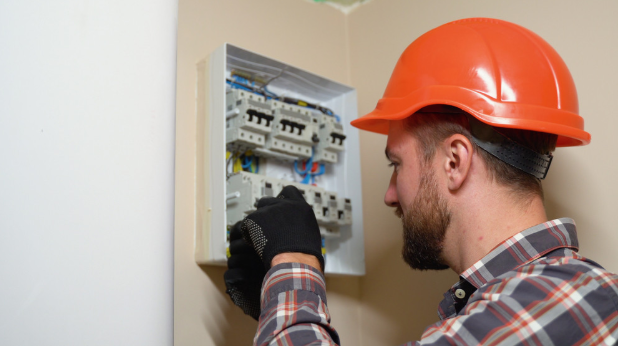
Replacing an electrical panel is an essential task that can shield your home from potential hazards. The replacement process typically spans 8 to 10 hours and includes upgrading to a 200-amp capacity, installing a new panel, and adding a main breaker and circuit breakers. This comprehensive approach ensures your home has the electrical infrastructure to manage current and future demands safely.
Investing in a new electrical panel is an effective strategy to maintain the safety and efficiency of your home’s energy supply. Modern panels offer improved functionality and are equipped with circuit breakers that provide enhanced protection against surges and overloads. This upgrade is a long-term investment in the security and functionality of your home.
Understanding the labor and materials involved in replacing a panel allows homeowners to make informed decisions about their electrical systems. While the upfront cost and time commitment might seem significant, the benefits of preventing potential hazards far outweigh these factors. A well-functioning electrical panel creates a safe environment while supporting the seamless operation of home appliances.
Ensuring that your home’s electrical system is up to date and well-maintained is key to preventing electrical fires. Regular assessment of your electrical panel and system allows for timely upgrades and repairs, safeguarding against the primary causes of such hazards. Ultimately, prioritizing electrical safety not only protects your property but also provides a secure and comfortable living environment for you and your family.