Maintaining a safe and healthy home environment is a top priority for many property owners. One of the primary challenges in achieving this goal is the effective management of pests, which can enter a property unnoticed and multiply quickly if left unaddressed. Pest control, whether through professional services or homeowner-led efforts, plays an essential role in defending a property from unwanted intruders that threaten comfort, safety, and long-term value.
This article explores the dual approach of combining pest control services with consumer products. By examining current data, usage trends, and practical considerations, homeowners can gain a clearer understanding of how to protect their homes effectively and responsibly.
Understanding the Scope of Pest Problems
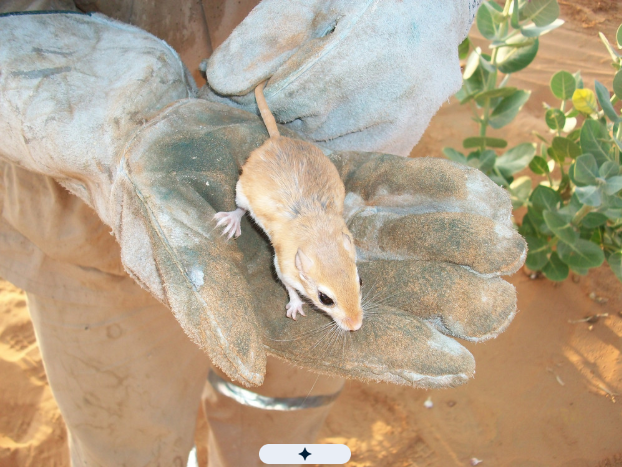
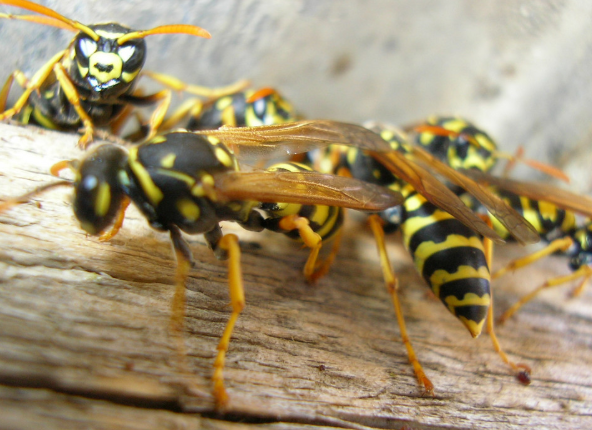
Pest infestations are a widespread concern affecting households in nearly every region of the country. Common pests such as rodents, insects, and termites can create a range of problems, from contaminating food supplies to damaging walls, insulation, and electrical systems. Some pests also pose serious health risks by spreading bacteria, allergens, or disease.
Addressing these concerns begins with understanding the scope and scale of potential pest issues. Certain geographic regions face higher risks due to climate, population density, or proximity to natural habitats. In Florida, for example, approximately 4.4% of households report dealing with rodent problems. This figure underscores how regional factors can influence pest prevalence and why localized awareness is important.
Identifying the specific type of pest, the extent of the infestation, and the damage already caused is a critical first step in developing an effective control strategy. Early detection often limits repair costs and reduces the need for aggressive treatments. Whether in an urban apartment or a single-family home, pest problems can emerge unexpectedly, making ongoing vigilance an essential part of home maintenance.
The Significance of Pest Control Products in the Home
Many households in the United States rely on at least one pest control product to help maintain a clean and hygienic living environment. According to the Environmental Protection Agency, approximately 75% of householdssssssss use some form of pesticide product. This widespread use reflects both the accessibility of these products and the desire of homeowners to manage minor pest issues independently.
Pest control products are available in a wide range of formats, including sprays, traps, baits, powders, and repellents. Each product type is designed to address specific pests and situations, allowing homeowners to tailor their approach based on the problem at hand. For example, bait systems may be effective for ants or rodents, while targeted sprays may help manage insects in confined areas.
Despite their convenience, responsible use of pest control products is essential. Improper application can pose risks to children, pets, and beneficial wildlife, as well as contribute to environmental contamination. Reading labels carefully, following application instructions, and storing products securely are important practices that help ensure both effectiveness and safety.
The Role of Professionals in Pest Management
While household products can offer short-term or preventative solutions, professional pest management services provide a deeper level of protection. The pest control industry includes more than 31,000 businesses nationwide, reflecting the demand for expert intervention and ongoing maintenance.
Pest control professionals bring specialized knowledge, diagnostic skills, and access to commercial-grade treatments that are not typically available to consumers. They are trained to identify hidden infestations, determine entry points, and apply treatments that address both active pests and the conditions that attract them. This comprehensive approach often results in more lasting outcomes.
In addition to eliminating existing infestations, professionals play a key role in prevention. Many services include routine inspections, monitoring, and treatment plans designed to reduce the likelihood of future problems. Hiring a pest control service can provide peace of mind, particularly for persistent or high-risk infestations, by ensuring that both property and occupant health are protected.
Balancing Products and Professional Services
For many homeowners, the most effective pest management strategy involves a balance between personal effort and professional support. Routine use of pest control products can help manage minor issues and prevent infestations from becoming severe. When problems persist, escalate, or involve structural risks, professional intervention becomes increasingly valuable.
Understanding when to rely on products and when to seek expert assistance allows homeowners to manage costs while maintaining a high standard of safety and effectiveness. This balanced approach also supports long-term property preservation by addressing issues before they lead to costly repairs.
Ultimately, protecting a home from pests requires awareness, consistency, and informed decision-making. By using pest control products responsibly and engaging professionals when necessary, homeowners can create a safer, healthier living environment while preserving both personal well-being and property value.