
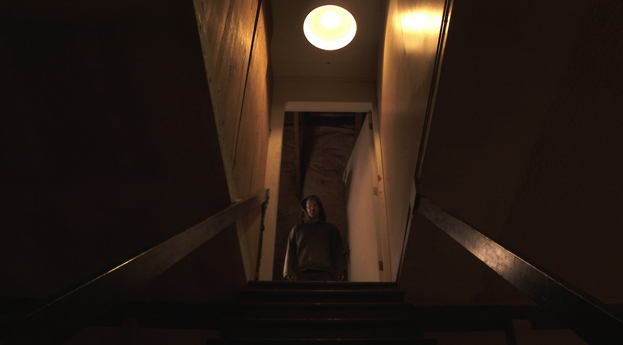
Your basement does more than provide extra storage or living space—it also plays an important role in protecting the structural integrity of your home. When moisture finds its way below ground, it can lead to mold growth, foundation concerns, damaged belongings, and costly repairs that affect the rest of the property. That’s why basement waterproofing is one of the most valuable upgrades homeowners can make.
Whether you’re planning a basement remodel or simply looking to maintain your home’s condition, investing in waterproofing can help prevent future problems while improving long-term value.
Why Basement Waterproofing Matters
Basements are naturally more susceptible to moisture than other areas of the home because they sit below ground level. Rain, melting snow, poor drainage, and hydrostatic pressure can all allow water to seep through foundation walls or floors. Even a small amount of moisture can create ideal conditions for mold and mildew, while larger leaks may damage flooring, drywall, insulation, and personal belongings.
According to Ruby Home, 98% of basements in the United States will experience some form of water damage at least once. That statistic highlights just how common basement moisture issues are, even in homes that have never experienced major flooding.
Waterproofing helps reduce these risks by creating barriers that prevent water intrusion. Depending on the home’s needs, solutions may include exterior waterproof membranes, interior drainage systems, sump pumps, vapor barriers, crack repairs, or improved grading around the foundation.
Protecting Your Home From Mold and Structural Damage
Moisture problems don’t always announce themselves with standing water. Sometimes the warning signs are subtler, such as musty odors, peeling paint, condensation on walls, or slightly damp flooring. Left untreated, these issues can lead to mold growth and gradually weaken building materials.
According to The Spruce, approximately 60% of homes in the U.S. deal with wet basement issues, while 38% face a significant risk of basement mold. These numbers demonstrate why moisture prevention is about more than comfort—it’s an important part of maintaining a healthy indoor environment.
Waterproofing helps minimize the conditions that mold needs to thrive. It also protects wood framing, drywall, insulation, and concrete from prolonged moisture exposure that can contribute to deterioration over time. By addressing water intrusion early, homeowners may avoid larger repairs that become more expensive the longer moisture remains untreated.
A Smart Investment for Long-Term Home Value
Many home improvement projects focus on aesthetics, but basement waterproofing delivers benefits that extend well beyond appearance. Buyers often look closely at the condition of a home’s foundation and basement because signs of water damage can indicate larger maintenance concerns.
According to Basementremodeling.com, waterproofing a basement can increase a home’s market value by as much as 30% while also helping protect the property itself. That makes it one of the few upgrades that supports both everyday home protection and potential resale value.
A dry basement also creates more opportunities for future renovations. Whether you plan to finish the space into a family room, home office, gym, or guest suite, waterproofing provides a more reliable foundation for those investments. Even if remodeling isn’t in your immediate plans, protecting the space now can help preserve its flexibility for years to come.
Signs It May Be Time to Waterproof Your Basement
Not every basement leak is obvious. In many cases, homeowners notice small warning signs before major problems develop. Paying attention to these indicators can help prevent more extensive damage.
Common signs include:
Water stains on walls or floors
Musty or damp odors
Visible mold or mildew
Cracks in foundation walls
Efflorescence, or white mineral deposits on concrete
Peeling paint or bubbling wall finishes
Standing water after heavy rainfall
High humidity levels in the basement
If you notice one or more of these issues, it’s worth having the basement evaluated to determine whether waterproofing or drainage improvements are needed.
Choosing the Right Waterproofing Solution
Every home has unique conditions that influence the best waterproofing approach. Factors such as soil composition, drainage patterns, foundation type, and the severity of moisture problems all play a role in selecting an effective solution.
Professional waterproofing contractors typically begin with a thorough inspection to identify where water is entering the basement. They may recommend exterior waterproofing to prevent water from reaching the foundation, interior drainage systems to manage groundwater, sump pumps for areas prone to flooding, or foundation crack repairs to seal entry points.
Whether you’re preparing for a basement remodel or simply looking to safeguard your property against future moisture issues, waterproofing offers lasting benefits that extend throughout the entire home. Taking action before water damage occurs can help prevent costly repairs and provide greater peace of mind for years to come.
More from Ghar360 Blog
 Water Damage After a Storm: What Every Homeowner Should Know
 The 7 Steps of a Basement Renovation With Aloha Restoration
 The High Probability of Mold and Water Damage in Basements: Causes, Warning Signs, and Prevention
 What to Know If You’ve Found Mold in Your Basement
 Could Your Roof Be Costing You More Than You Think?