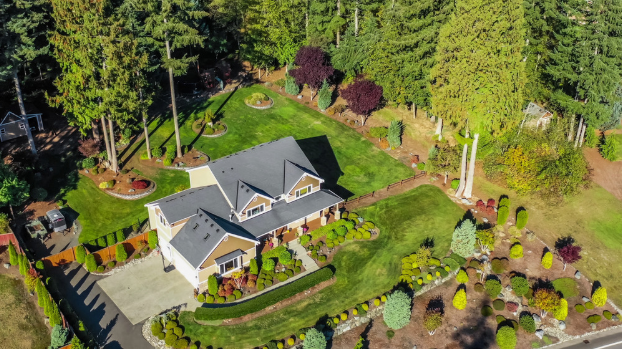
Luxury landscaping is about more than filling a yard with expensive plants or installing an elaborate patio. The most impressive residential landscapes combine thoughtful design, high-quality materials, healthy plants, functional outdoor spaces, and consistent maintenance.
A well-designed landscape can make a property feel more private, polished, and connected to its surroundings. It can also extend the home’s usable living space and create a stronger first impression. Whether homeowners are planning a complete landscape redesign or upgrading an existing yard, several traits help distinguish truly luxurious outdoor spaces.
Luxurious Landscaping Makes Water Use a Priority
Water management is an especially important consideration in warm and dry regions.
According to the Arizona Department of Water Resources, up to 70% of residential water use in Arizona goes toward outdoor landscaping. Luxury landscaping should therefore combine beauty with efficiency. Homeowners can use drought-tolerant plants, efficient irrigation systems, soil improvements, and strategically placed shade to reduce unnecessary water use.
Drip irrigation can deliver water directly to plant roots instead of spraying large areas indiscriminately. Smart irrigation controllers may also adjust watering schedules based on weather or seasonal conditions.
A sophisticated landscape does not need to rely on excessive water consumption. Careful plant selection can create an attractive property while responding appropriately to local climate conditions.
Professional Landscaping Is a Major Industry
The popularity of professionally designed outdoor spaces is reflected in the size of the landscaping market.
According to Grand View Research, North America, including the United States, made up 47.55% of the global landscaping services market in 2024. Professional landscapers can help homeowners create cohesive designs instead of treating every section of the yard as a separate project. They may coordinate trees, shrubs, lighting, irrigation, hardscaping, drainage, and outdoor living areas so the finished landscape feels intentional.
Luxury landscaping often depends on this level of coordination. A beautiful patio may feel disconnected if the surrounding plants, lighting, and pathways do not complement it.
Planning the entire property as a unified outdoor environment can create a more polished result.
Landscaping Can Add Significant Home Value
An attractive landscape can provide benefits beyond personal enjoyment.
According to Bankrate, landscaping can increase a home’s resale value by 15% to 20% on average. Potential buyers often begin forming impressions of a home before they walk through the front door. Healthy lawns, mature trees, attractive garden beds, and clean walkways can make a property appear better maintained.
Luxury landscaping may be particularly valuable when improvements complement the home’s architecture and surrounding neighborhood.
Homeowners should still consider local market conditions before making extremely expensive changes solely for resale purposes. However, maintaining a high-quality landscape can support both curb appeal and long-term property value.
Strong Designs Create Clear Outdoor Zones
Luxurious landscapes typically have clearly defined purposes for different portions of the property.
One area might function as an outdoor dining space, while another provides seating around a fire feature. The yard may also include gardens, recreational space, walkways, or a pool area.
These zones should feel connected rather than randomly placed.
Changes in paving materials, plantings, elevation, furniture, or lighting can subtly separate spaces while maintaining visual consistency.
This approach makes a large yard feel organized and can also help smaller properties use available space more efficiently.
High-Quality Hardscaping Makes a Major Difference
Hardscaping includes patios, walkways, walls, steps, driveways, and other permanent non-plant features.
In luxury landscapes, these elements often provide much of the structure.
Natural stone, high-quality pavers, masonry, and other durable materials can create a more refined appearance than temporary or mismatched surfaces.
Installation quality matters just as much as material choice. Uneven pavers, poor drainage, or cracking can quickly make an expensive landscape look neglected.
Homeowners should choose materials that complement both the house and surrounding landscape.
Mature Trees Add Scale and Character
Large trees can immediately make a property feel established.
They provide height, shade, privacy, and visual structure that smaller plants cannot achieve on their own. Existing mature trees can often become focal points around which other landscape features are designed.
Homeowners should protect healthy trees during renovation projects and have them inspected when necessary.
Tree placement also requires long-term planning. Newly planted trees may look small initially but eventually require significant space for roots and branches.
Choosing appropriate species and planting locations can help prevent future conflicts with roofs, sidewalks, utilities, and foundations.
Layered Plantings Create Depth
Luxury landscapes rarely rely on a single row of identical shrubs.
Instead, designers often combine plants of different heights, colors, textures, and seasonal characteristics.
Trees can establish the tallest layer, followed by shrubs, ornamental grasses, flowering plants, and ground cover.
This creates depth and keeps the landscape visually interesting.
Homeowners can also select plants that bloom at different times, helping the property maintain color throughout much of the year.
The goal is not necessarily to include the greatest possible number of plants. A carefully edited selection can often look more sophisticated than an overcrowded garden.
Outdoor Lighting Extends the Landscape Into the Evening
A luxurious yard should remain attractive and functional after sunset.
Outdoor lighting can highlight trees, architectural details, pathways, gardens, and water features.
Path lights can improve navigation, while subtle uplighting can add drama to larger trees or the home’s exterior.
Lighting should generally be layered rather than excessively bright. Strategic placement can create depth and atmosphere without making the property feel over-illuminated.
Outdoor lighting can also improve the usability of patios, kitchens, and entertainment areas at night.
Privacy Is Often Built Into the Design
Luxury outdoor spaces frequently emphasize privacy.
Trees, hedges, walls, fences, and landscape structures can help shield seating areas from nearby roads or neighboring properties.
Rather than relying entirely on one tall barrier, homeowners can combine several methods.
For example, a decorative fence may provide immediate separation while trees and shrubs soften the appearance and create additional screening.
Privacy can make patios, pools, and other outdoor areas feel more like extensions of the home’s interior.
Water Features Create Focal Points
Fountains, reflecting pools, waterfalls, and other water features can introduce movement and sound into a landscape.
They can serve as visual focal points while creating a calming atmosphere.
The scale of the feature should match the property. A small courtyard might benefit from a simple fountain, while a large estate could accommodate a more substantial installation.
Maintenance requirements should also be considered. Pumps, filters, and water quality may require ongoing attention.
A water feature looks most luxurious when it feels integrated into the landscape rather than added as an isolated decoration.
Outdoor Living Areas Should Feel Comfortable
Luxury landscaping increasingly focuses on creating outdoor spaces that function like rooms.
Covered patios, outdoor kitchens, fireplaces, dining areas, and comfortable furniture can encourage homeowners to spend more time outside.
Shade is particularly important. Pergolas, umbrellas, trees, and covered structures can make outdoor living areas more usable during hot weather.
Homeowners should also consider proximity to the indoor kitchen, bathrooms, and entrances when deciding where outdoor entertainment areas should be located.
Convenience can make these spaces far more useful on a daily basis.
Maintenance Keeps Luxury Landscaping Looking Luxurious
Even an expensive landscape can quickly lose its appeal without regular care.
Lawns need mowing, plants require trimming, weeds must be controlled, and irrigation systems should be checked periodically.
Hardscaping may also need cleaning, sealing, or repairs.
Homeowners should consider maintenance requirements during the design stage. A landscape that requires more attention than the household can realistically provide may become difficult to maintain.
Professional maintenance can be worthwhile for properties with extensive gardens, specialty plants, or elaborate outdoor features.
Luxury Comes From Cohesive Design
The defining trait of luxurious residential landscaping is not necessarily cost. It is intentional design.
High-quality materials, healthy plants, attractive lighting, comfortable outdoor spaces, efficient irrigation, and thoughtful privacy features should all work together.
Homeowners can achieve a more sophisticated result by focusing on how each element contributes to the property as a whole.
When landscaping complements the architecture, climate, and lifestyle of the household, the exterior can become just as impressive and functional as the home’s interior.