Foundation plants play a major role in the appearance and health of your landscape. Positioned around the base of a home, these plants help soften architectural lines, add color and texture, and create a welcoming outdoor environment. The right foundation plants can improve curb appeal while also supporting healthy soil, proper drainage, and energy efficiency.
Choosing the best plants for your home requires more than simply picking attractive shrubs or flowers. Homeowners should consider climate, sunlight, maintenance requirements, and long-term growth before planting. With thoughtful planning, foundation landscaping can enhance both the beauty and functionality of any property.
Choose Plants That Match Your Yard Conditions
One of the most important steps in selecting foundation plants is understanding the specific conditions around your home. Sunlight exposure, soil type, moisture levels, and drainage all affect how well plants will grow. A shrub that thrives in full sun may struggle in a shaded corner, while moisture-loving plants may fail in dry soil.
Proper grading and drainage are especially important when designing foundation beds. Water that pools around the base of a home can damage plants and create long-term structural concerns. According to the USDA Agricultural Research Service’s 2024 field leveling analysis, grader blades improve irrigation uniformity by 40%, preventing water buildup that can lower crop yields by up to 25% on uneven farmland. While the study focused on agriculture, the principle also applies to residential landscapes. Even grading around a home helps water move efficiently and supports healthier plant growth.
Homeowners should also think about mature plant size before planting. Overgrown shrubs can block windows, crowd walkways, and trap moisture against exterior walls. Selecting plants that fit the available space reduces future maintenance and helps maintain a clean, balanced appearance. Low-growing evergreens, flowering shrubs, and ornamental grasses are popular choices because they offer visual interest without overwhelming the home’s exterior.
Consider Maintenance and Long-Term Care
Beautiful landscaping requires ongoing maintenance, so it is important to choose foundation plants that fit your desired level of upkeep. Some plants need frequent pruning and shaping, while others require minimal attention after they become established. Understanding maintenance needs ahead of time can help homeowners avoid frustration and unnecessary costs later.
Professional landscaping and tree services can also help homeowners keep foundation plantings healthy and attractive year-round. According to Harris, 90% of homeowners believe yard maintenance is important, and 2 out of 3 backyard owners say they would hire a professional tree service to care for their trees, shrubs, and other woody plants. This highlights the growing interest in maintaining attractive outdoor spaces while ensuring plants receive proper care.
When selecting foundation plants, homeowners may benefit from choosing varieties that naturally maintain compact growth. Dwarf shrubs and slow-growing evergreens often require less trimming and are easier to manage over time. This creates a more polished look with less effort throughout the year.
Use Foundation Plants to Improve Comfort and Energy Efficiency
Foundation plants do more than improve curb appeal. They can also contribute to a more comfortable outdoor environment by helping regulate temperatures around the home. Trees, shrubs, and layered greenery create shade and reduce heat absorption near walls, patios, and windows.
According to World Metrics, healthy urban trees can lower surrounding air temperatures by 8–10°F, helping reduce the urban heat island effect identified by the EPA. While foundation shrubs may not provide the same level of shade as large trees, strategically placed greenery still helps cool outdoor areas and improve comfort during warmer months.
Layering different plant heights can also create natural insulation around the home. Taller shrubs near walls and lower plants near walkways add depth while helping reduce exposure to direct sunlight. Evergreen plants are especially useful because they provide year-round coverage and structure even during colder seasons.
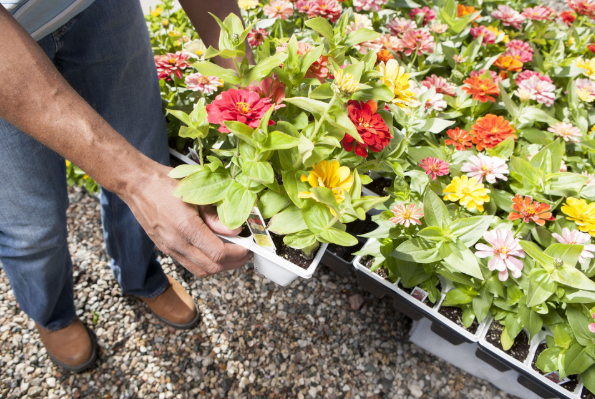
Color and texture also influence the overall atmosphere of a landscape. Flowering plants can brighten entryways, while dark green shrubs create contrast against lighter siding or stonework. Mixing evergreen and seasonal plants allows homeowners to enjoy visual interest throughout the year without constantly redesigning their landscaping.
By considering yard conditions, maintenance needs, and energy-saving benefits, homeowners can create foundation landscaping that enhances curb appeal and adds lasting value. With thoughtful planning and proper care, foundation plants become an important part of a welcoming and visually appealing home exterior.