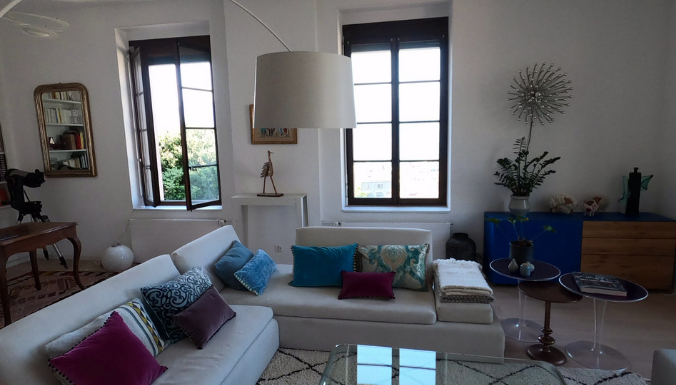
Furniture is one of the most used—and often overlooked—elements in any home. From daily lounging on the sofa to constant exposure to sunlight, your furniture endures more wear and tear than you might realize. While many people assume aging is the main cause of deterioration, several hidden factors can significantly speed up the process. Understanding these causes can help you take proactive steps to extend the life of your investment and keep your home looking its best. Let’s explore why your furniture may be wearing out faster than you think and what you can do about it.
Sunlight Damage and UV Exposure
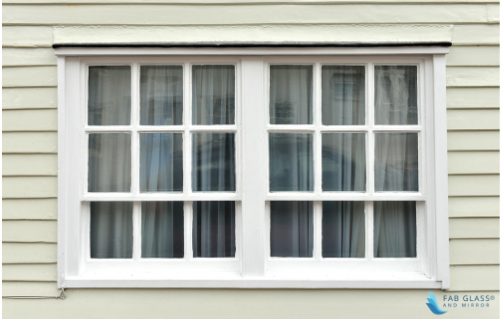
One of the biggest yet least noticeable threats to your furniture is sunlight. Prolonged exposure to UV rays can cause fading, discoloration, and even structural weakening of fabrics and wood. Many homeowners underestimate how quickly this damage can occur, especially in rooms with large windows. According to Buildings, properly installed window tint can block up to 99% of harmful UV rays, helping protect furniture, flooring, and fabrics from deterioration. Without this protection, even high-quality pieces can begin to show signs of wear much sooner than expected.
In addition to fading, UV exposure can dry out materials like leather and wood, leading to cracking, brittleness, and a shortened lifespan. Rearranging furniture away from direct sunlight, using curtains or blinds during peak daylight hours, and applying protective finishes can all help reduce long-term damage and preserve the appearance of your pieces.
Everyday Use and Material Breakdown
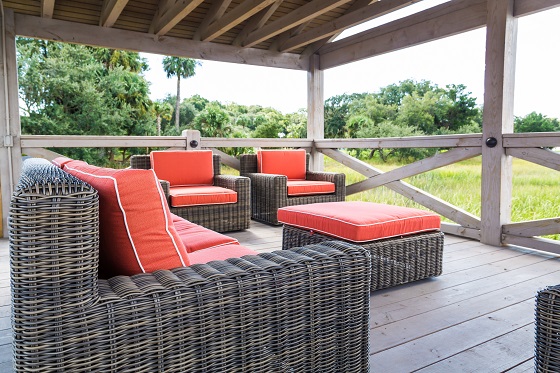
Daily use plays a major role in how quickly furniture wears out. Sitting, reclining, and general use gradually break down cushions, upholstery, and internal support structures. Over time, this leads to sagging, fraying, and reduced comfort. Many consumers are noticing this trend. According to Furniture Today, in 2025, 47% of people who bought new upholstery reported replacing items that were worn out or damaged. This highlights how common it is for furniture to degrade faster than anticipated, especially without proper care or when using lower-quality materials.
Common signs of wear include:
Sagging cushions or uneven support
Faded or fraying upholstery
Loose joints or creaking frames
Flattened padding that reduces comfort
Lack of Proper Cleaning and Maintenance
Another often overlooked factor is inadequate cleaning. Dust, dirt, and oils from everyday use can accumulate in fabrics and cushions, causing materials to break down more quickly. Regular maintenance is essential to preserving both the appearance and longevity of your furniture. According to House Digest, sofas should be deep cleaned at least twice per year to maintain their condition. Skipping this level of care can lead to permanent stains, lingering odors, and faster material degradation, ultimately shortening the lifespan of your furniture.
Helpful maintenance habits include:
Vacuuming upholstery weekly to remove debris
Rotating and fluffing cushions to maintain shape
Addressing spills immediately to prevent stains
Scheduling deep cleanings at least twice annually
Environmental and Lifestyle Factors
Beyond sunlight and maintenance, environmental and lifestyle factors also play a significant role. Homes with pets, children, or high foot traffic naturally experience more wear on furniture. Spills, scratches, and frequent use can all accelerate deterioration. Additionally, humidity and temperature fluctuations can affect materials such as wood and leather, leading to cracking or warping over time. Being mindful of these conditions and making small adjustments, such as using protective covers or maintaining a stable indoor climate, can go a long way toward preserving your furniture.
Furniture wear and tear is often the result of multiple factors working together, including UV exposure, daily use, lack of maintenance, and environmental conditions. While some level of aging is inevitable, understanding these hidden causes gives you the power to slow the process and protect your investment. By taking simple steps such as limiting sun exposure, maintaining a regular cleaning routine, and choosing durable materials, you can significantly extend the life of your furniture and keep it looking great for years to come.