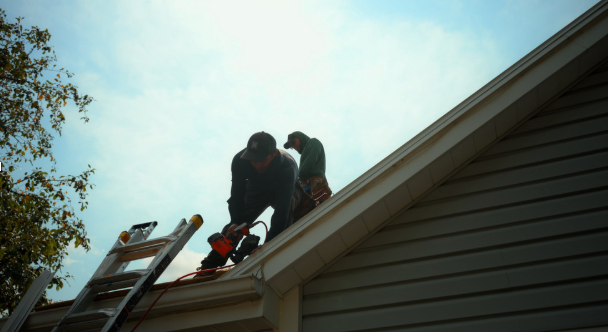
A roof does much more than shield a home from rain, snow, wind, and sunlight. It also plays an important role in protecting the structure and preserving property value. When a roof begins to deteriorate, seemingly minor issues can eventually lead to costly repairs, interior damage, or the need for a complete replacement. Understanding the signs of roof trouble and the potential value of a replacement can help homeowners make informed decisions before problems become more expensive.
Small Roof Problems Can Become Big Expenses
Roof damage does not always announce itself with an obvious problem. A small leak, missing shingle, or damaged flashing may initially seem like a minor maintenance issue. However, water can travel beneath roofing materials and reach insulation, ceilings, walls, and other parts of the home’s structure.
According to Ruby Home, leaking is the reason behind roof replacement for 33% of homeowners. This makes water intrusion one of the key warning signs homeowners should take seriously. Even if a leak appears to be small, addressing it promptly may help prevent more extensive damage.
Homeowners should periodically inspect their ceilings and attic for signs of moisture, including water stains, damp insulation, mold growth, or musty odors. Outside, look for missing or cracked shingles, damaged flashing, sagging areas, and excessive granule accumulation in gutters. Catching these warning signs early can give homeowners more options for addressing the problem.
Consider the Long-Term Value of a New Roof
Replacing a roof can represent a significant investment, but it is also an improvement that can contribute to a home’s overall value. The materials homeowners choose can influence both the initial cost and the potential return on the investment.
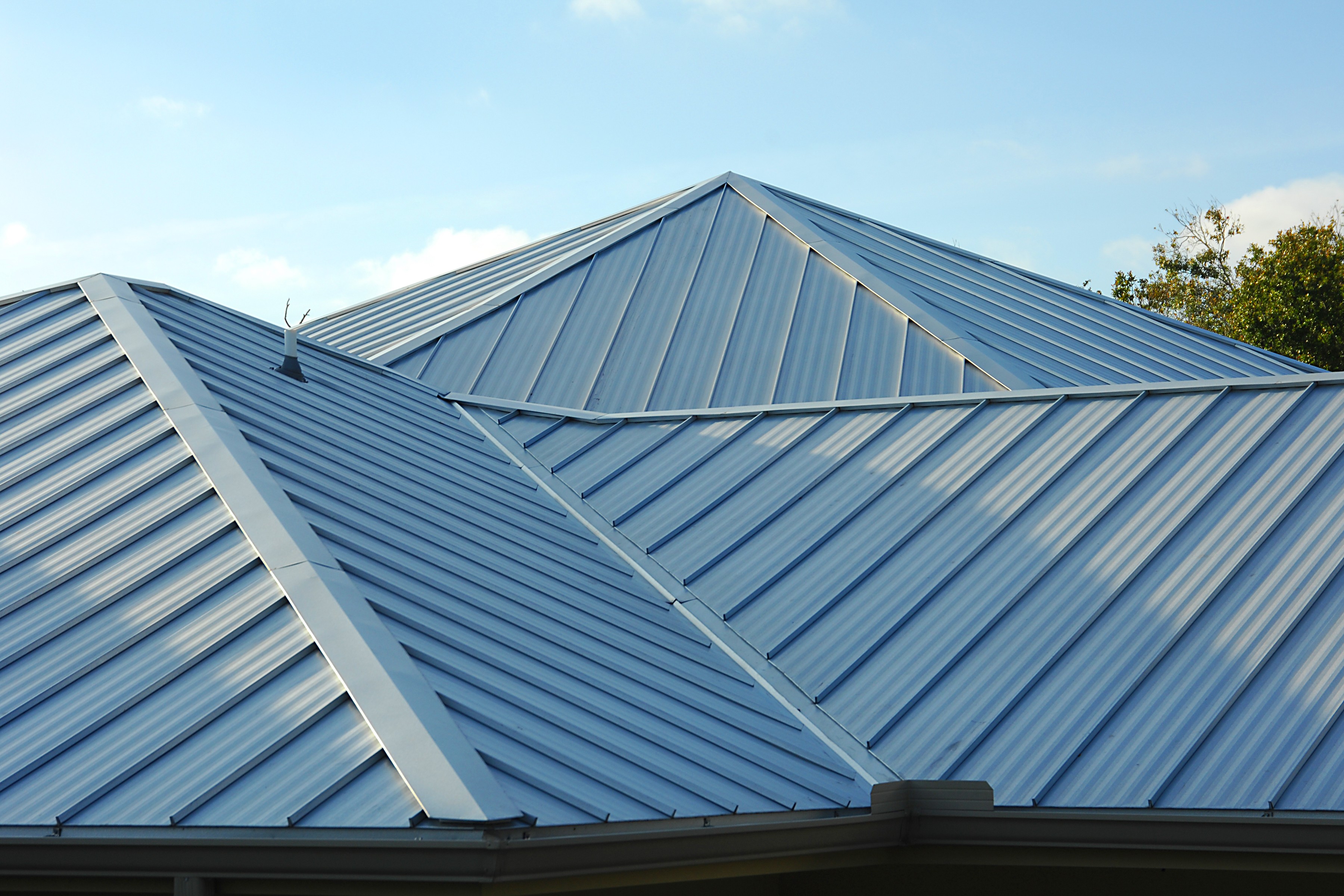
According to Home Guide, roofing material ROI can range from approximately 60% to 70% for asphalt shingles, while metal roofing can reach as much as 85%. While ROI should not be the only factor considered when selecting a roofing material, it demonstrates why homeowners may want to think beyond the initial installation price.
Different materials offer different combinations of durability, appearance, maintenance requirements, and expected lifespan. Asphalt shingles are popular because they are generally accessible and versatile, while metal roofing can provide a longer-lasting option with a different appearance and performance profile.
When comparing materials, homeowners should consider the expected lifespan of the roof, local weather conditions, maintenance requirements, energy efficiency, and how long they expect to remain in the home. A less expensive material may make sense for one property, while investing in a premium option could be more practical for another.
Know When Repair Is No Longer Enough
One of the biggest roofing decisions homeowners face is determining whether to repair an existing roof or replace it entirely. A repair may be appropriate when damage is isolated, and the rest of the roofing system remains in good condition. However, widespread deterioration can make continued repairs less practical.
Age is an important consideration. An older roof that has experienced repeated problems may require increasingly frequent repairs. At some point, putting money into individual fixes may not make financial sense compared with investing in a replacement.
Homeowners should also consider whether previous repairs have addressed the underlying cause of a problem. Covering up visible damage without resolving moisture intrusion, ventilation problems, or deteriorating materials can allow issues to return.
A professional roof inspection can help identify the condition of the roofing system and determine whether repairs or replacement would be more appropriate. Getting an evaluation before an emergency occurs also gives homeowners time to compare options rather than making a rushed decision after significant damage.
Millions of Roofs Are Replaced Every Year
Roof replacement is a common part of homeownership, particularly as roofing systems reach the end of their useful lives. Knowing how widespread the process is can also put the cost and planning involved into perspective.
According to Ruby Home, approximately 5 million roofs are installed in the United States each year. With so many roofing projects taking place annually, homeowners have a wide range of material choices, installation approaches, and professional services to consider.
Rather than waiting until a roof fails, homeowners can use routine maintenance and inspections to plan ahead. Scheduling an inspection before severe weather seasons, keeping gutters clear, trimming branches away from the roof, and addressing visible damage can all help maintain the roofing system.
Planning ahead can also make it easier to budget for eventual replacement. Homeowners can research materials, obtain multiple estimates, and determine which improvements make the most sense for their property before an urgent situation develops.
Protect Your Home and Your Investment
A roof is easy to overlook when it is doing its job, but problems can quickly become noticeable when water begins entering the home. Regular maintenance and prompt attention to warning signs can help homeowners avoid unnecessary damage and expenses.
A replacement can also be an opportunity to improve the home’s appearance, durability, and potential resale value. By considering the condition of the existing roof, available materials, and long-term costs, homeowners can make a decision that fits both their property and their budget.
Your roof can affect much more than curb appeal. Leaks, deterioration, and delayed maintenance can lead to expenses that extend well beyond the roofing system itself. By watching for warning signs, keeping up with maintenance, and understanding the potential value of different roofing options, homeowners can take a proactive approach to protecting their homes and their investments.