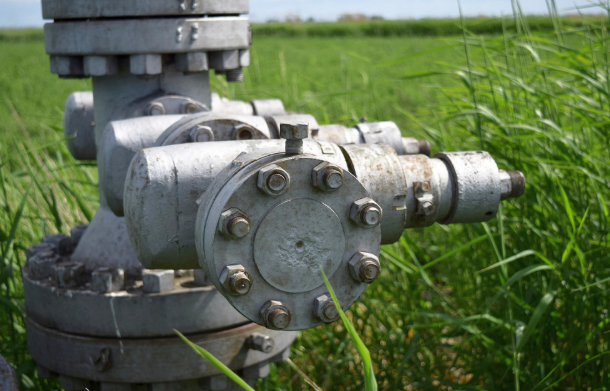
For homeowners who rely on a private well, the system provides a dependable source of water for drinking, cooking, bathing, and everyday household tasks. Like any major home system, however, a well requires routine maintenance and occasional upgrades to continue operating efficiently. Over time, aging equipment, changing household water demands, and normal wear can affect performance. Knowing when to evaluate your well system can help prevent unexpected disruptions and protect your home’s water supply.
Understanding the Importance of Your Well System
Private wells serve millions of households across the country, making them a vital part of residential infrastructure. Unlike municipal water systems, homeowners are responsible for maintaining their own wells, pumps, and related equipment.
According to the EPA, more than 23 million households in the United States depend on private wells for their drinking water. Because so many families rely on these systems every day, regular inspections and maintenance play an important role in ensuring safe, reliable water delivery.
Even if your water appears clean and your system seems to be functioning normally, components can gradually wear down over time. Scheduling periodic evaluations can help identify developing issues before they become costly repairs or lead to an unexpected loss of water.
How Long Can a Well System Last?
A private well is designed to provide reliable water for many years, but its longevity depends on several factors, including construction quality, maintenance, local geology, and water usage. While individual components such as pumps and pressure tanks may need replacement over time, the well itself can often remain functional for decades with proper care.
According to Forbes, the lifespan of a water well can vary considerably, lasting anywhere from 25 to 100 years depending on its construction and size. Because the well and its equipment have different life expectancies, homeowners should view maintenance as an ongoing process rather than waiting until the entire system begins to fail.
Understanding the expected lifespan of both the well and its components allows homeowners to better plan for inspections, repairs, and future upgrades that help maintain a dependable water supply.
Why Well Depth Matters
Not all private wells are the same. Their depth can vary significantly depending on local geology, groundwater availability, and regional regulations. The depth of a well affects how water is accessed and influences the type of equipment required to deliver water efficiently.
According to Well Doctor LLC, residential wells commonly range from 100 to 800 feet deep. Deeper wells often require pumps capable of moving water greater distances, while shallower wells may have different performance requirements. Because every property is unique, equipment should be properly matched to the depth and characteristics of the well.
When homeowners consider replacing a pump or upgrading other well components, understanding the well’s depth can help ensure the new equipment is appropriate for the system’s operating conditions.
Benefits of Upgrading an Older Well System
Even if a well system continues to function, newer equipment may offer improvements in reliability and efficiency. Modern pumps often operate more quietly, provide more consistent water pressure, and may consume less energy than older models.
Upgrading aging pressure tanks, electrical controls, or monitoring equipment can also improve overall system performance. These improvements may help reduce unexpected service interruptions while making routine maintenance easier.
Homeowners who have expanded their households, added irrigation systems, or increased overall water usage may also find that older equipment no longer matches their property’s current demands. An evaluation can determine whether existing components are still providing adequate performance.
Routine Maintenance Can Extend System Performance
A well system performs best when maintenance is treated as an ongoing responsibility rather than an occasional repair. Regular inspections allow professionals to evaluate the condition of pumps, pressure tanks, electrical connections, and other critical components before they experience significant wear.
Homeowners can also help maintain their systems by monitoring changes in water pressure, watching for unusual noises, scheduling periodic water testing, and addressing minor issues promptly. These proactive steps can reduce the likelihood of major failures while helping the system operate more efficiently over time.
Keeping records of previous inspections, repairs, and equipment replacements also makes it easier to anticipate future maintenance needs and plan for upgrades as components approach the end of their expected service lives.
Planning Ahead for Long-Term Reliability
A private well is a valuable investment that supports daily life for millions of homeowners. While many systems provide reliable service for years, components such as pumps eventually wear out and may need to be replaced. Understanding your well’s depth, monitoring equipment performance, and following recommended maintenance schedules can help keep the system operating efficiently.
Rather than waiting for a complete failure, homeowners can benefit from evaluating their well systems periodically and planning upgrades before problems arise. Taking a proactive approach helps protect the home’s water supply, minimize unexpected repairs, and ensure dependable performance for years to come.