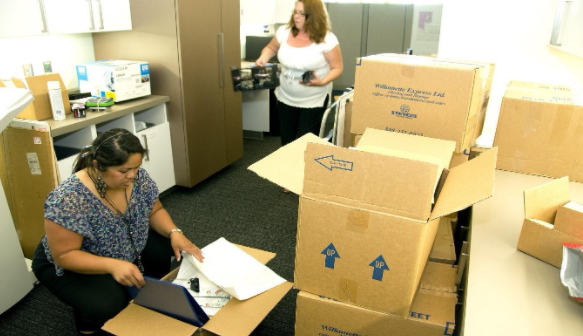

A long-distance move requires more planning than a local relocation. Between coordinating transportation, packing an entire household, arranging travel, and figuring out when belongings will arrive, even a well-organized move can become stressful.
Many moving problems come from decisions made weeks before moving day. Waiting too long to hire movers, keeping too much clutter, failing to budget for extra expenses, or packing essential items on the moving truck can all make the process harder. Avoiding a few common mistakes can make a long-distance move much smoother.
Don’t Assume the Move Has to Be a Bad Experience
Moving is often associated with stress, but that does not mean the experience has to end badly.
According to This Old House, nearly 85% of respondents reported being either very satisfied, at 49%, or satisfied, at 36%, with their move. Those numbers suggest that while moving may involve challenges, good planning can still lead to a positive experience. The key is giving yourself enough time to prepare rather than reacting to problems as they happen.
Create a moving timeline several weeks or months in advance. Include deadlines for hiring movers, purchasing supplies, changing addresses, transferring utilities, packing rooms, and confirming travel arrangements.
Breaking the process into manageable steps can make a major relocation feel far less overwhelming.
Don’t Underestimate How Stressful Moving Can Be
Even people who are excited about relocating can underestimate the emotional and logistical pressure involved.
According to This Old House, about 91% of people report that moving is stressful. Long-distance moves can add extra pressure because it may not be possible to simply return to the old home when something is forgotten. Transportation delays, hotel arrangements, pets, children, and different move-in dates can all complicate the process.
Give yourself extra time wherever possible. Avoid scheduling every important task for the final week.
Having a written checklist can also prevent small responsibilities from being forgotten when the move becomes busy.
Don’t Move Junk You Already Know You Don’t Want
One of the most common moving mistakes is packing everything without deciding whether it is worth transporting.
According to Moving.com, a 10-yard dumpster is ideal for small home pre-move junk removal and small to medium landscaping projects. For households with a significant amount of unwanted material, a dumpster may make a pre-move cleanout easier. Furniture and belongings that remain usable may instead be donated, sold, recycled, or given away.
Decluttering before packing can reduce the number of boxes required and may lower the amount of space needed on the moving truck.
It also prevents homeowners from spending time and money transporting belongings that will simply be thrown away after arriving.
Don’t Wait Too Long to Hire Movers
Long-distance moving companies may have limited availability, especially during busy seasons.
Waiting until a few days before the move can leave households with fewer choices and less time to research companies properly.
Contact movers well in advance and request written estimates. Ask how pricing is determined, what services are included, and whether the company expects any additional fees.
Customers should also understand pickup and delivery windows.
Unlike some local moves, long-distance transportation may not always mean belongings arrive at the destination immediately after the household does.
Don’t Choose a Mover Based Only on Price
The cheapest estimate is not automatically the best option.
A low quote may look attractive, but homeowners should understand exactly what is included. Packing supplies, stairs, heavy furniture, storage, long carries, or specialty items may affect the final cost.
Compare several companies based on reputation, services, policies, and communication in addition to price.
Ask what happens if belongings are damaged or delayed and what type of protection is included.
A transparent estimate can be more valuable than an unusually low starting price that later changes.
Don’t Forget to Build an Extra Cushion Into Your Budget
Unexpected costs are common during long-distance moves.
In addition to moving-company charges, households may need to pay for fuel, hotels, meals, storage, packing supplies, cleaning, pet accommodations, or last-minute repairs.
Create a moving budget before making reservations and include some additional money for unexpected expenses.
This can help prevent a single surprise from disrupting other household bills.
Keeping receipts throughout the move can also make it easier to understand where the money went.
Don’t Pack Important Documents on the Truck
Some items should remain with you throughout the move.
Identification, passports, financial records, insurance documents, medications, keys, and other important paperwork should generally travel with the household rather than inside a moving truck.
The same applies to highly valuable or irreplaceable small belongings.
Even when movers are dependable, access to the truck may be limited during transportation.
Keeping essential items with you ensures they are available when needed.
Don’t Forget an Essentials Bag
The moving truck may arrive later than expected, or you may simply be too tired to unpack immediately.
Prepare a bag or small group of boxes containing everything needed for the first night or two.
This can include clothing, toiletries, medications, chargers, paper towels, toilet paper, basic cookware, pet supplies, and bedding.
Mark these boxes clearly if they are being transported in your own vehicle.
Nobody wants to search through dozens of identical boxes after a long day of traveling.
Don’t Pack Without a Labeling System
Poor labeling can turn unpacking into a frustrating process.
Every box should include the destination room and a brief description of its contents. “Bedroom” provides some guidance, but “Main Bedroom — Winter Clothes” is much more useful.
Some households also assign a color to each room.
Boxes containing fragile items should be clearly identified so they can receive appropriate handling.
A basic inventory can provide additional organization, particularly during a large move.
Don’t Forget to Measure Furniture
A sofa that fits perfectly in the current living room may not fit through the new home’s doorway.
Measure large furniture before moving and compare those dimensions with entrances, hallways, staircases, elevators, and other tight areas at the destination.
This is particularly important for oversized sectionals, tables, beds, and specialty furniture.
If something clearly will not fit, selling or donating it before the move may be easier than transporting it hundreds of miles unnecessarily.
Don’t Ignore Moving Insurance and Damage Policies
Homeowners should understand how their belongings are protected during transportation.
Read moving agreements carefully and ask how damaged or lost items are handled.
Take photographs of valuable furniture, electronics, artwork, and other belongings before they are packed.
Those images provide documentation of their condition before transportation.
Keep copies of contracts and inventories in a location that remains accessible throughout the move.
Don’t Forget About Pets
Long-distance travel can be especially stressful for animals.
Make arrangements for carriers, food, water, medication, litter, leashes, and veterinary records before moving day.
If traveling by car, plan appropriate stops.
Pet identification information should also be current in case an animal becomes separated from the household during the transition.
At the new home, giving pets a quiet area to adjust can help make the unfamiliar environment less overwhelming.
Don’t Leave Utility Transfers Until the Last Minute
Arriving at the new home without electricity, water, or internet can create an unpleasant first day.
Schedule utility changes in advance.
Confirm when services at the old property should end and when the new home’s services should begin.
Internet installations may require appointments, so arranging them early can be especially helpful for households that work remotely.
Address changes should also be completed with important financial institutions, insurance providers, employers, and other organizations.
Don’t Rush the Final Walkthrough
Before leaving the old property, check every area one final time.
Look inside closets, cabinets, drawers, garages, basements, attics, sheds, and outdoor spaces.
Items are often forgotten in locations that were not part of the main packing process.
Make sure windows and doors are secured and that any keys or access devices are handled appropriately.
Taking photographs of the empty property may also be useful, especially for renters.
Careful Planning Can Prevent Moving-Day Problems
Long-distance moving will always involve some degree of disruption, but many common problems are preventable.
Starting early, hiring movers carefully, decluttering before packing, budgeting for unexpected expenses, and keeping essentials accessible can make the entire process easier.
The biggest mistake is assuming everything will simply work itself out on moving day. A detailed plan gives households more control when unexpected situations arise.
By avoiding common planning mistakes, families can reduce stress and arrive at their new home better prepared to settle in and enjoy the next chapter.