Your home’s exterior does more than set the tone for its curb appeal. It’s the shell that protects everything inside from rain, wind, heat, and cold. Whether you’re building a new home or replacing worn-out siding, choosing the right exterior material means balancing cost, appearance, durability, and maintenance. Brick, stucco, and vinyl are three of the most popular options, and each offers distinct advantages depending on your budget and goals.
The Timeless Strength of Brick
Brick has been a trusted building material for centuries, and it’s easy to see why. It resists fire, insects, and rot, holds its color without painting, and gives a home a solid, classic look. Brick also adds thermal mass, which helps moderate indoor temperatures as the seasons change.
Its biggest selling point is longevity. According to the National Association of Home Builders, brick is still one of the most durable exterior materials available, and many masonry structures stand for more than 100 years. For homeowners who plan to stay put or want to build something that lasts for generations, that durability is hard to beat.
The tradeoff is cost. Brick is typically one of the more expensive options to install, largely because of the skilled labor involved. Maintenance is minimal, but mortar joints may eventually need repointing, and any cracks should be checked to make sure they aren’t a sign of foundation movement. Brick veneer offers a similar look at a lower price for those working with a tighter budget.
Stucco Offers Durability and Style
Stucco is a cement-based finish applied in layers over a home’s exterior walls. It’s especially common in warm, dry climates and complements Mediterranean, Spanish, and modern architectural styles. Stucco can be tinted in a wide range of colors and finished with smooth or textured surfaces.
It’s also a long-lasting choice. Today’s Homeowner reports that stucco typically lasts between 50 and 80 years. When it’s applied correctly and kept in good condition, stucco resists fire and pests and requires relatively little upkeep compared to materials that need regular painting.
Proper installation is essential, though. Stucco can crack as a house settles, and in wet climates, poor drainage behind the surface can trap moisture and cause hidden damage. Hire an experienced contractor, inspect the walls periodically for cracks or stains, and seal small gaps promptly to keep water out. Repainting or applying a fresh finish coat every so often helps maintain its appearance.
Vinyl Delivers Value and Versatility
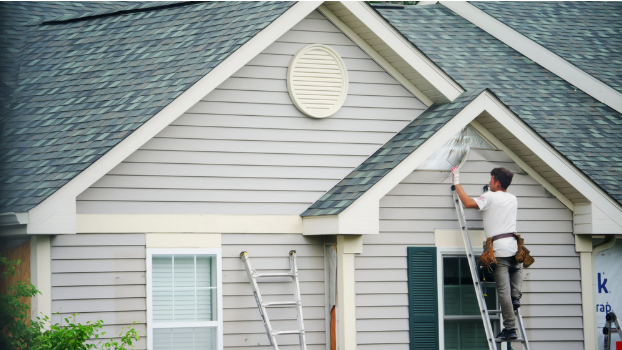
For homeowners looking for a budget-friendly option, vinyl siding is often the first choice. It’s lightweight, quick to install, and comes in a huge variety of colors, profiles, and textures, including styles that mimic wood shakes or clapboard.
Vinyl also holds up well over time. Today’s Homeowner notes that this popular, affordable siding can last 20 to 40 years with proper care. It never needs painting, and an occasional wash with a garden hose or soft brush is usually enough to keep it looking clean.
Vinyl does have some limitations. It can crack from hard impacts or extreme cold, and some colors may fade after years of strong sun. Choosing a thicker, higher-quality product improves durability, and insulated vinyl siding can boost energy efficiency. Inspect panels after major storms and replace any damaged pieces to prevent moisture from getting behind them.
Finding the Right Fit for Your Home
There’s no single best exterior material for every home. Brick offers unmatched longevity, stucco blends durability with design flexibility, and vinyl delivers dependable value at an affordable price. By weighing your budget, climate, style preferences, and maintenance expectations, you can choose an exterior that protects your home and looks great for years to come.