In the ever-evolving world of home design, staying ahead of the curve is essential for ensuring your living space remains comfortable, functional, and stylish. As we approach 2026, several trends are emerging that homeowners should consider to enhance both aesthetics and value. In this article, we will explore key trends that are set to define home design in the coming years.
Emphasis on Custom Builds
In recent years, the desire for personalized homes has significantly grown among buyers, pushing custom builds into the spotlight. According to Angi, the timeline for constructing a bespoke home typically spans between 12 and 24 months. This extensive build time allows homeowners to plan and execute their unique vision, ensuring that every detail aligns with their preferences.
While custom builds require patience, they offer a tailored experience that creates a harmonious living environment. Potential homeowners are encouraged to carefully consider their family’s needs and lifestyle choices during the planning phase. This approach not only results in a home that reflects personal tastes but also maximizes functionality.
Moreover, the investment in custom designs often pays off in the long run, as personalized homes tend to appreciate more effectively than traditional builds. By opting for a tailored design, homeowners can secure a property that meets their specific requirements and enhances their quality of life. Ultimately, this trend indicates a significant shift towards individuality in home design.
Ceiling Designs That Impress
Ceiling design is a crucial yet often overlooked element in home aesthetics, with trends increasingly favoring innovative styles. Traditional ceilings typically feature a height of at least eight feet, providing a reliable baseline for homeowners. According to City Lights, this standard ceiling height is becoming a canvas for creative design ideas, including coffered ceilings and decorative beams.
As homeowners explore elevated aesthetics, they are seeking ways to add personality to their ceilings, turning them into focal points rather than mere fixtures. Creative ceiling designs can significantly enhance the ambiance of a space, contributing to a lighter, airier feel in the home. This trend invites all kinds of artistic expressions, from bold colors to intricate textures, and encourages homeowners to think beyond conventional designs.
Furthermore, an impressive ceiling design can dramatically elevate the perceived value of a home. By investing in unique ceiling features, homeowners not only enhance their living experience but also position their property favorably in the real estate market. As creative ceiling designs evolve, they reflect a broader trend towards personalization in the home design landscape.
Value-Enhancing Hardscaping
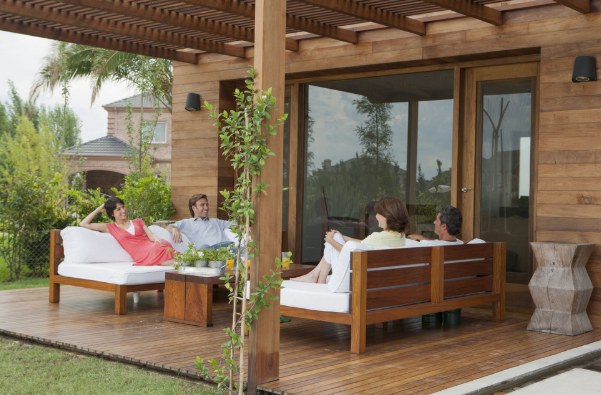
As outdoor spaces gain significance in modern home design, hardscaping is emerging as a primary focus for homeowners. Well-planned hardscaping has the potential to raise a home’s value by as much as 15%, according to LawnStarter. This trend emphasizes the importance of outdoor living areas that are not only beautiful but also functional.
Designing hardscaped areas, such as patios, walkways, and retaining walls, can create engaging outdoor spaces for relaxation and entertaining. Utilizing materials that complement the overall aesthetic of the home will contribute to a cohesive look and feel both inside and out. Therefore, careful selection and creative design are essential in maximizing the benefits of hardscaping.
Integration of Sustainability
The surge in environmental awareness has led to a significant shift towards sustainable materials and practices in home design. Homeowners are now more inclined to make eco-friendly choices that benefit both the planet and their living environments. Integrating sustainable components into home design often involves utilizing recycled or locally sourced materials, reducing the overall carbon footprint of the build.
Additionally, energy-efficient appliances and solar panels are becoming increasingly popular as they not only lower utility bills but also contribute to a sustainable lifestyle. Homeowners are willing to invest upfront in these technologies, recognizing their long-term benefits. As more properties incorporate sustainability into their frameworks, this trend fosters a new standard in home design.
As we look forward to 2026, several exciting trends in home design are shaping the landscape of living spaces. From the increasing popularity of custom builds to impressive ceiling features and the integration of sustainable practices, it’s clear that homeowners are prioritizing personalization and value. By embracing these trends, homeowners can create beautiful, functional, and environmentally responsible living spaces that stand the test of time.