As a homeowner, maintaining a comfortable indoor environment is crucial, and your HVAC system plays a pivotal role in achieving this. However, even the most reliable systems won’t last forever, and at some point, you’ll need to consider whether it’s time for a replacement. Understanding the key factors involved can help you make an informed decision that ensures both comfort and energy efficiency in your home.
Assessing the Age of Your HVAC System
When contemplating a furnace or AC replacement, the age of your system is a critical factor to consider. As highlighted by Bob Vila, an established authority in home improvement, systems that have been in operation for more than ten years should undergo a thorough efficiency assessment by a professional. This ensures that you’re not only maintaining optimal energy usage but also maximizing your home’s potential for cost savings and comfort.
Older units tend to function less efficiently, leading to increased energy bills and potential repair costs. In such cases, investing in a newer, more efficient model could result in significant long-term savings by reducing the burden on your home’s energy consumption. Moreover, newer models often come with advanced features designed to enhance your home’s comfort levels while being environmentally friendly.
It’s not unusual for homeowners to be unaware of the age of their HVAC systems, which can lead to unexpected breakdowns. Regular inspections and understanding the lifespan of your unit can preempt such occurrences. By doing so, you’re better prepared to make timely decisions regarding repairs or replacements.
Evaluating the Lifespan and Replacement Needs
The lifespan of HVAC systems is another crucial element to consider in your assessment. According to USA Today, the general expectancy for HVAC systems ranges between 15 to 20 years. Knowing this timeframe not only helps in planning and budgeting expenses but also prepares homeowners to spot warning signs of system failures early on.
As your unit approaches the end of its functional life, it may begin to exhibit problems like frequent cycling, unusual noises, or temperature inconsistencies. These symptoms often signal the need for a replacement before the system fails. Staying proactive by scheduling regular maintenance can prolong your system’s usefulness and delay the need for a new unit.
In some instances, geographical factors or climate conditions can affect the wear and tear on your HVAC system, potentially reducing its lifespan. Homeowners in regions with extreme temperatures—or those who use their systems year-round—might find their units aging faster. Understanding these nuances can help direct decisions about upgrading to models that better cater to specific environmental demands.
Considering Energy Efficiency and Home Comfort
An efficient HVAC system is essential not only for comfort but also for energy conservation, as the U.S. Department of Energy notes; these systems are responsible for approximately 52% of household energy consumption. Thus, upgrading to a modern, energy-efficient model could significantly cut down on utility costs and environmental impact. Such a change not only enhances your home’s comfort but also aligns with broader goals of sustainability.
Today’s advanced HVAC systems come equipped with technologies that adjust heating and cooling dynamically, ensuring optimal performance throughout the year. With features like programmable thermostats, zoned heating and cooling, and variable-speed compressors, your home can benefit from a more balanced and precise temperature control. These innovations directly contribute to a more comfortable and enjoyable living environment.
Moreover, improving energy efficiency doesn’t just benefit your household financially; it also represents a step towards reducing carbon footprints. Energy-efficient systems are often certified by ENERGY STAR, guaranteeing a significant reduction in energy usage. Homeowners inclined towards sustainable living find that these systems offer both economical and environmental advantages.
Taking Professional Advice
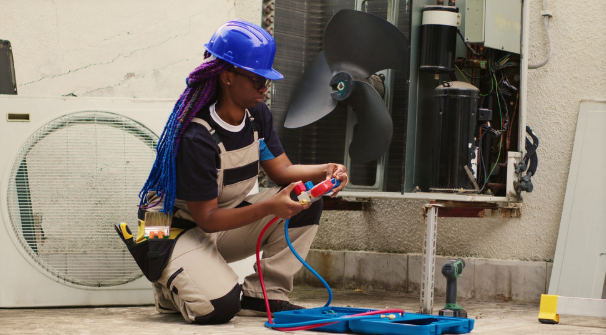
While home assessments are useful, consulting a professional HVAC contractor can provide targeted insights tailored to your specific needs. Professionals conduct in-depth evaluations, identifying inefficiencies and recommending appropriate upgrades or replacements that are most suitable for your home. This expertise ensures that any investment into a new HVAC unit will deliver substantial returns in terms of reliability and efficiency.
Professionals also have access to diagnostic tools that can uncover hidden issues that might not be apparent during a self-assessment. Regular professional check-ups serve as a preventive measure against sudden breakdowns or costly repairs. By leveraging expert advice, homeowners can avoid over-investing in unnecessary replacements when a simple repair could suffice.
Moreover, technicians often stay updated on emerging HVAC technologies, which allows them to advise on cutting-edge solutions for your home. Implementing these modern technologies can vastly improve the environmental footprint of your home while maintaining a cozy atmosphere. Such guidance integrates professional expertise with practicality, ensuring your system functions both effectively and efficiently.
Budgeting for Replacement Costs
Budgetary considerations form an integral part of any decision regarding HVAC replacements. Although the initial costs of purchasing a new system can be significant, potential savings on energy bills and reduced maintenance expenses can offset the upfront investment. Planning and setting aside funds for future replacements can lessen the financial impact when your system eventually requires updating.
Financing options and incentives are commonly available for homeowners opting to install energy-efficient HVAC systems. These financial aids can make the transition more affordable and less daunting for budget-conscious homeowners. Additionally, many governments and utility providers offer rebates for certain energy-compliant systems, further alleviating the costs involved.
Ultimately, understanding the full scope of expenses associated with replacing your HVAC system is crucial for financial stability. By doing this early on, you ensure that your home remains a welcoming sanctuary without straining your budget. Thoughtful financial planning and the exploration of available incentives can turn the expense into a worthwhile long-term investment.
Deciding whether to replace your furnace or AC involves evaluating several critical factors, including system age, efficiency, and budget. By considering these aspects and seeking guidance from professionals, you can enhance your home’s comfort while ensuring energy consumption is kept in check. Remember, a proactive approach in assessing and upgrading your HVAC system is an investment in the longevity and efficiency of your home.
More from Ghar360 Blog
 3 Common HVAC Problems Homeowners Experience and How Pros Fix Them
 Why All Homeowners Should Have Repair Professionals on Speed Dial
 3 Questions to Ask Your Local HVAC Technician
 Avoid Major Heater Repair Bills Finding a Furnace Repair Contractor in Rancho Bernardo CA
 When Is the Right Time to Consider a New HVAC Unit?