Ensuring the cleanliness of water at home is essential for both health and well-being. With increasing concerns about contaminants in our water supply, many homeowners are looking for effective solutions to purify the water they use daily. A reverse osmosis (RO) system, by working at a molecular level, offers a promising method to deliver safer, cleaner water throughout your home.
Why Reverse Osmosis Stands Out
Reverse osmosis technology is designed to work at the molecular level to remove a multitude of impurities from drinking water. This advanced system can filter out up to 99% of contaminants, including harmful chemicals, bacteria, metals, dirt, and other organic substances. Such comprehensive purification sets RO systems apart as a superior choice for maintaining clean water in a domestic setting.
Unlike conventional filters, an RO system utilizes a semi-permeable membrane that targets the smallest of particles, offering a robust solution for water purification. This process not only ensures high-quality drinking water but also enhances the taste and reduces any unpleasant odors. Investing in a reverse osmosis system provides a reliable way to protect your household from potential waterborne health risks.
Moreover, when comparing reverse osmosis to other filtration techniques, the efficiency and thoroughness it offers are unparalleled. People who prioritize health often choose RO systems, knowing they are minimizing exposure to contaminants. The peace of mind that comes with using purified water for drinking and cooking significantly outweighs the initial installation costs.
Understanding the Need for Cleaner Water in Our Homes
In today’s world, the integrity of America’s water infrastructure is frequently challenged by the reality of its aging sewer systems. On an annual basis, it is estimated that over 1 trillion gallons of untreated sewage are leaked, posing a significant threat to water quality. Given this alarming statistic, the need for additional purification methods at home becomes increasingly evident.
With increasing urban populations, the strain on existing water systems only aggravates the risk of contamination. For homeowners, this underlines the importance of taking proactive measures to ensure the safety and cleanliness of their water supply. Reverse osmosis systems offer a dependable solution, actively minimizing the impact of potential pollutants that could infiltrate domestic water supplies.
The widespread use of water in various daily activities further emphasizes the urgency for cleaner water at home. Knowing that an average individual uses approximately 75 gallons of water per day, the implications of inadequate water purification are even more significant. Taking steps to install a reverse osmosis system can play a crucial part in safeguarding your family’s health by providing consistently pure water for drinking, cooking, and more.
The Benefits of Implementing Reverse Osmosis Systems
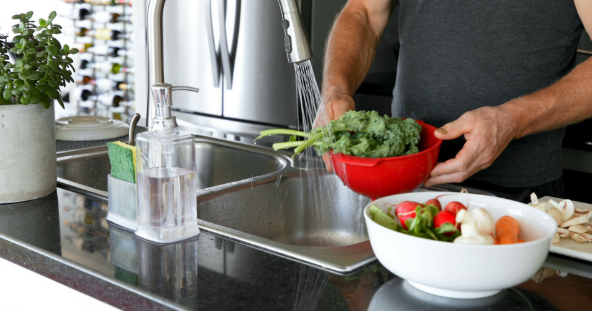
Adopting a reverse osmosis system in your home extends beyond health benefits, enhancing overall lifestyle quality through improved water cleanliness. RO systems ensure that the water you use is free from undesirable elements, enhancing both its taste and safety. Households can therefore enjoy clear, pure water effortlessly, elevating everyday water access to premium standards.
Investing in an RO system also translates into long-term financial benefits, reducing the dependency on buying bottled water. Families can experience both environmental and monetary savings by cutting down on plastic use and minimizing monthly expenditures on cleaner water sources. The convenience of having pure water readily available at home adds to the system’s appeal, bringing significant value to modern households.
Furthermore, the low-maintenance aspect of reverse osmosis systems makes them exceptionally user-friendly. With periodic filter changes being the primary upkeep requirement, homeowners find it feasible and straightforward to maintain the system’s optimal functioning. This level of simplicity ensures that everyone can access high-quality water without extensive effort or additional expertise.
Installation and Maintenance Considerations
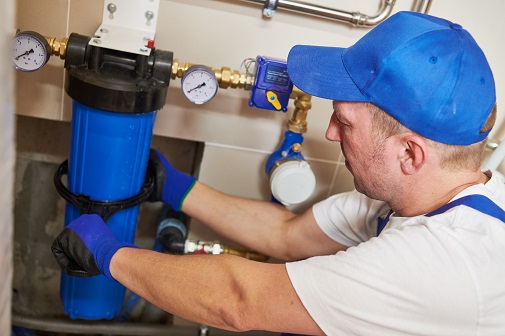
Setting up a reverse osmosis system at home usually involves an initial investment, but the benefits far outweigh the financial commitment. Installation can often be done professionally to ensure that the system functions correctly from the outset. This step guarantees that homeowners make the most of their reverse osmosis systems, tapping into the full potential of reliable water purification.
Once installed, ongoing maintenance of an RO system primarily involves regular checks and filter replacements. This process helps maintain the efficiency and longevity of the system, ensuring continuous high-quality water provision. By adhering to the manufacturer’s guidance on maintenance schedules, households can enjoy optimal performance and extended lifespan of their equipment.
Choosing to install a reverse osmosis system reflects a commitment to prioritizing health and sustainability in domestic life. This choice provides an accessible and effective means to ensure water safety at home, reducing risks associated with widespread water contamination. Ultimately, reverse osmosis systems represent a forward-thinking solution for anyone seeking to enhance their home’s water quality.
The decision to implement a reverse osmosis system in the home is backed by substantial advantages in health, safety, and convenience. Addressing the pressing concern of water quality in aging infrastructures, RO systems emerge as a reliable method to ensure clean water for daily use. As urbanization continues to place pressure on traditional water sources, investing in such purification systems becomes an imperative for modern households.
Incorporating reverse osmosis technology reflects a proactive approach to water safety, ensuring that families can enjoy pure and uncontaminated water easily. This protective measure enhances not only personal well-being but also supports broader environmental goals by decreasing reliance on bottled water. By investing in reverse osmosis, homeowners make significant strides toward a healthier, more sustainable future.
The benefits of having reverse osmosis systems go beyond the immediate gain of clean water. They contribute to a lifestyle grounded in wellness, responsibility, and foresight, enriching home living with unparalleled water quality standards. Embracing these systems underscores a commitment to fostering healthy, safe, and environmentally conscious households.