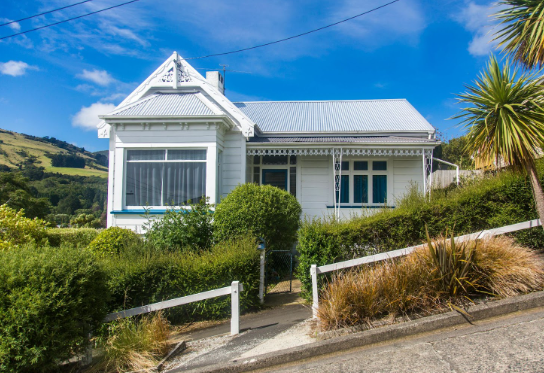
There’s something very special about character homes. They call to a time where real care and uniqueness was put into each build. Solid timber floors, beautiful brick exterior, and decorative plasterwork are all commonplace. As such, it’s no surprise that many house hunters seek these properties out.
In saying that, there’s definitely another side of this coin. Under their charm lies a reality that many homeowners only discover once they’ve become the owner: character owners can have complex maintenance costs. This is due to a number of factors, including outdated systems, ageing materials, and older construction methods.
The reason older homes demand more attention
These distinct homes were built a long time before modern building codes, materials, and preventative technologies became industry standard. While some of these homes were constructed with exceptional craftsmanship, decades of use can take its toll. Some of the common maintenance challenges for character homes include outdated electrical systems that weren’t designed for today’s demands, ageing plumbing, and deteriorating materials. Deterioration is going to happen when a property is hundreds of years old!
Water damage risks
Water damage can be a disruptive and costly maintenance issue, and character homes are particularly vulnerable to it. According to the Federal Emergency Management Association (FEMA), just one inch of water can cause as much as $25,000 of damage to a property. A character home having insufficient waterproofing in historic bathrooms and kitchens can contribute to this. On top of this, some character homes have limited drainage solutions in place, meaning normally minor leaks can escalate quickly. More bad news is that water damage rarely affects just one surface when it occurs. Moisture can seep into structural timber, into plaster walls, and into subfloors, increasing both repair complexity and cost. Preventative maintenance is a good idea for character homes. This way you’re getting ahead of potential problems, rather than completing restoration once the damage has occurred.
What data tells us about older housing
Typically, the age of a property directly influences repair frequency and cost. Due in part to this, regions that have a high proportion of older homes consistently score higher on maintenance risk indices. For example, Washington, D.C. recorded the highest overall score in the Compare the Market Home Maintenance Risk Index, with a score of 71.45 out of 100. Washington D.C. also has the highest share of older homes out of the whole country, with 31.7% of properties constructed before the 1940s. Homeowners in this region showed the highest online search interest in home maintenance nationwide, averaging 8,742 Google searches per 100,000 residents over a 12-month period. The above figures demonstrate a broader pattern that can be seen across many cities: where there are lots of older homes, maintenance demands (and associated costs) tend to rise.
More than just repair costs
There’s more to owning a character home than the expenses for fixing obvious problems. Due to the nature of the property, repairs may require specialist trades or custom material. Those that can complete the required techniques to preserve features may need to be tracked down, and in some areas, heritage guidelines might put limits on how repairs are carried out, which can add to the time and cost. Ongoing preventative maintenance and routinely inspecting the property is part of what keeps these homes structurally and visually sound intact over the years.
Character homes have appeal that lies in craftsmanship and a connection to the past. While these unique properties do tend to have higher maintenance demands, the costs are the price of preserving something genuinely special. Proactive planning and upkeep means homeowners protect their beautiful investment and enjoy the characteristics that make these places so desirable.