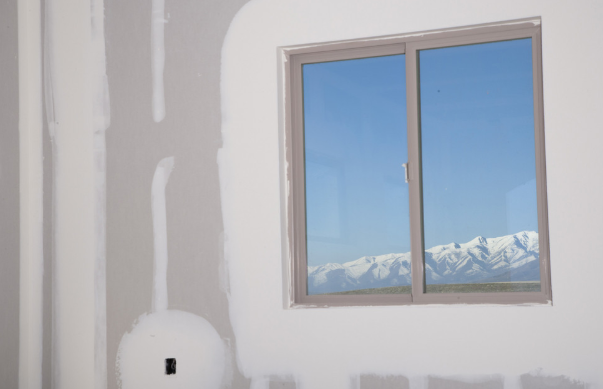
Drywall is one of the most common materials used in modern construction, forming the walls and ceilings of countless homes and commercial buildings. While drywall is relatively inexpensive and easy to install, it is also highly susceptible to moisture damage, which can lead to mold growth if not properly managed. Mold can cause structural damage, compromise indoor air quality, and pose health risks to occupants. Understanding the role drywall plays in both preventing and addressing mold issues is essential for contractors, homeowners, and property managers alike.
Preventing mold starts with choosing the right materials and applying best practices during installation. Properly installed drywall, paired with effective moisture control, can significantly reduce the likelihood of mold proliferation. For those facing remediation, knowing which areas of a building are most prone to contamination helps prioritize inspections and repairs.
Industrial Supply Stores and Contractor Preferences
Contractors rely on a variety of sources for their building materials, and their choices can influence the quality of construction and long-term durability of structures. According to Contractor Magazine, 59 percent of contractors are likely to purchase supplies from industrial contractor supply stores. These stores typically offer a wider range of materials, bulk options, and professional-grade products that are better suited to long-lasting construction.
By sourcing drywall and other critical materials from these suppliers, contractors can ensure they are using products that meet building codes and perform as expected in challenging environments. This reduces the risk of moisture infiltration, weak points, or low-quality materials that may contribute to mold development. For homeowners and property managers, understanding where professional contractors obtain their materials can provide insight into best practices and the importance of using quality drywall for prevention.
Mold Remediation and Drywall’s Impact
Drywall is particularly vulnerable to mold because it absorbs water and retains moisture, creating an environment conducive to fungal growth. According to Grand View Research, drywall surfaces account for approximately 35.7 percent of mold remediation services. This statistic highlights how frequently drywall is involved in mold-related issues, emphasizing the importance of proactive measures.
Effective mold remediation often requires inspecting drywall for water damage, replacing contaminated sections, and addressing the underlying sources of moisture. Steps such as installing vapor barriers, ensuring proper ventilation, and using moisture-resistant drywall in areas like bathrooms and basements can help prevent mold from taking hold. Awareness of drywall’s susceptibility to mold also guides homeowners in maintenance practices and informs contractors about where extra care is necessary during construction or renovation projects.
Legal Considerations and Contract Damages
Mold-related issues and construction problems can sometimes lead to disputes between contractors, homeowners, and suppliers. If a project is compromised due to defective materials, improper installation, or contract breaches, legal action may be necessary. In such cases, understanding the types of damages available is important. According to Keough Law PLLC, if you win a breach of contract lawsuit, there are three types of damages you can recover: punitive, compensatory, and consequential damages.
Compensatory damages cover direct losses, such as the cost of replacing mold-damaged drywall. Consequential damages may address additional financial impacts, such as lost rental income from a contaminated property or further repairs caused by initial negligence. Punitive damages, while less common, are intended to penalize particularly egregious behavior and deter future misconduct. Being aware of these legal options helps both homeowners and contractors navigate disputes related to drywall performance, mold contamination, or construction failures.
Drywall plays a central role in both the prevention and remediation of mold in buildings. Its widespread use makes it a focal point for contractors, homeowners, and property managers who aim to maintain safe, healthy environments. By sourcing materials from reputable suppliers, implementing moisture control measures, and understanding the legal avenues available in cases of breach or negligence, all parties can mitigate risks associated with mold damage. Proper attention to drywall selection, installation, and maintenance not only preserves structural integrity but also supports long-term safety and financial protection for property owners.
More from Ghar360 Blog
 Water Damage After a Storm: What Every Homeowner Should Know
 Deep Dive: How Professional Cleaning Transforms Indoor Air Quality
 How to Improve HVAC Efficiency and Lower Energy Bills
 How Sound Dampening Wooden Panels Can Help Improve the Acoustics in Your Home
 5 Ways to Control the Moisture in Your Bathroom