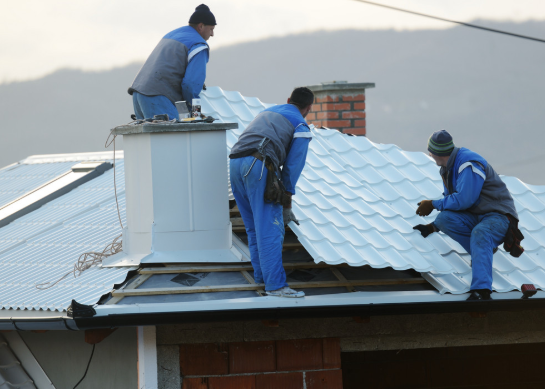
When homeowners think about replacing a roof, familiar materials such as asphalt shingles may be the first options that come to mind. However, metal roofing has become an increasingly interesting choice for people who want to balance durability, energy efficiency, and long-term value. While the initial investment can be different from traditional roofing materials, the benefits may make metal worth considering for homeowners planning ahead.
Built for Long-Term Performance
One of the biggest reasons homeowners consider metal roofing is its potential lifespan. A roof is a significant investment, so choosing a material that does not need frequent replacement can make a meaningful difference over the years. Metal roofing is known for its resistance to many of the common problems that can shorten the life of other roofing materials, including deterioration caused by weather exposure.
According to State Farm Insurance Statistics, a new metal roof may last between 40 and 70 years. That range can make metal roofing appealing to homeowners who are thinking beyond their immediate roofing needs. Instead of focusing only on the purchase and installation costs, homeowners can consider how long the roof may continue protecting the property.
Of course, the actual lifespan of any roof depends on factors such as installation quality, climate, maintenance, and the specific metal roofing system selected. Still, its potential longevity can make metal a compelling option for homeowners who want a roof designed with the long term in mind.
Energy Efficiency Can Add Another Benefit
A roof does more than protect a home from rain, wind, and other outdoor conditions. It can also influence how much heat enters or leaves the home. This makes energy performance another consideration for homeowners comparing roofing materials.
Metal roofing can be designed with reflective finishes that help limit heat absorption. This can be particularly relevant in warmer climates or during periods when homeowners rely heavily on air conditioning. A roof that absorbs less heat may help reduce the amount of work required from a home’s cooling system.
According to This Old House, metal roofing may reduce annual energy bills by as much as 40%. While savings will vary based on factors such as the home’s design, insulation, climate, and HVAC system, this potential efficiency benefit adds another dimension to the decision. Homeowners may want to look at how a roofing material could affect household operating costs rather than considering installation expenses alone.
Energy efficiency is also something that can be evaluated alongside other home improvements. If a homeowner is already planning to improve insulation, replace windows, or upgrade an HVAC system, the roofing material may become part of a broader effort to improve the home’s overall performance.
Cool Roofing Can Help Manage Summer Heat
For homeowners living in areas where summer temperatures regularly rise, managing heat can be an important part of keeping indoor spaces comfortable. The color and finish of a roof can affect how much solar energy the roofing system absorbs, which is why cool roofing options have attracted attention.
A cool metal roof uses reflective properties to send more solar energy away from the building instead of allowing the roof to absorb as much heat. This can be especially useful for homes that experience substantial sun exposure throughout the day.
According to GM Insights, the U.S. Department of Energy reports that a cool metal roof can potentially reduce homeowners’ cooling costs by up to 25% annually. That does not mean every home will experience the same level of savings, but it illustrates why roofing choices can play a role in household energy consumption.
Homeowners considering this type of roof should look at more than the material itself. Roof orientation, local climate, insulation, ventilation, and the roof’s finish can all influence its performance. Discussing these factors with a qualified roofing professional can help determine whether a particular cool metal roofing system makes sense for the property.
Metal Roofing Offers More Than Energy Benefits
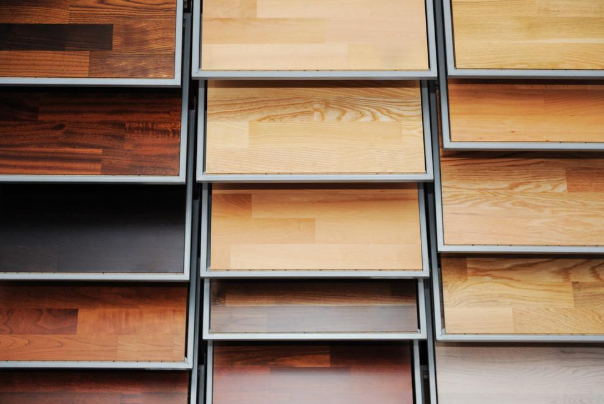
Energy efficiency and longevity may attract homeowners to metal roofing, but other characteristics can also influence the decision. Metal roofs are available in a variety of styles, profiles, and finishes, allowing homeowners to choose an appearance that complements the property’s design.
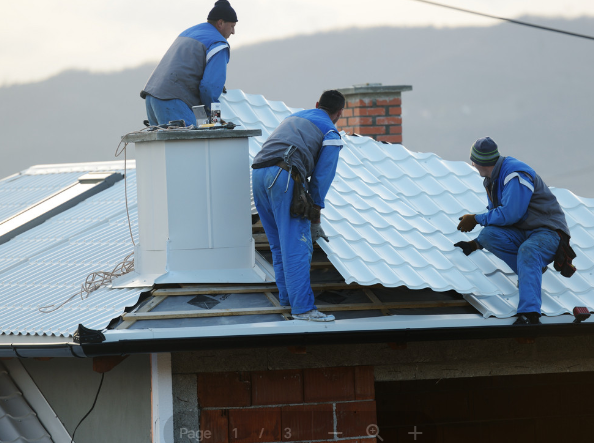
Modern metal roofing can also be manufactured to resemble other materials, including traditional shingles or standing-seam systems. This gives homeowners opportunities to prioritize both appearance and performance when planning a roof replacement.
Maintenance is another consideration. While no roofing material is completely maintenance-free, keeping the roof and surrounding areas properly maintained can help identify potential issues before they become more significant. Regular inspections can also provide an opportunity to check flashing, fasteners, drainage areas, and other components.
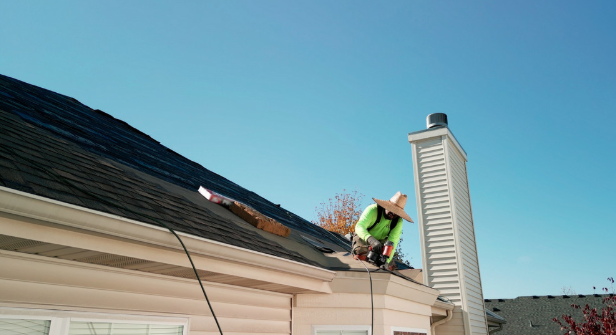
The quality of installation matters, too. Even a durable roofing material may not perform as expected if it is improperly installed. Homeowners should therefore consider the experience of the roofing contractor, the specifications of the proposed system, and the property’s particular needs before making a final decision.
Is Metal Roofing Right for Your Home?
Metal roofing can offer an appealing combination of longevity, energy efficiency, and design flexibility. Its potential to remain functional for decades may make it worth considering for homeowners who want to reduce the frequency of major roof replacements. Energy-related benefits may also provide another reason to compare metal with more familiar roofing options.
That does not necessarily mean metal is the right choice for every property. Budget, climate, architectural style, installation requirements, and personal priorities should all factor into the decision. Homeowners can compare different materials and request professional recommendations based on their specific property.
For those planning a roof replacement, taking a closer look at metal roofing may reveal benefits that go well beyond simply putting a new surface over the home. With the potential for long-term performance and energy savings, metal could be an option worth discussing before the final roofing decision is made.