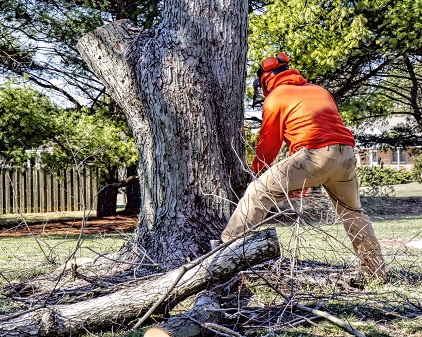
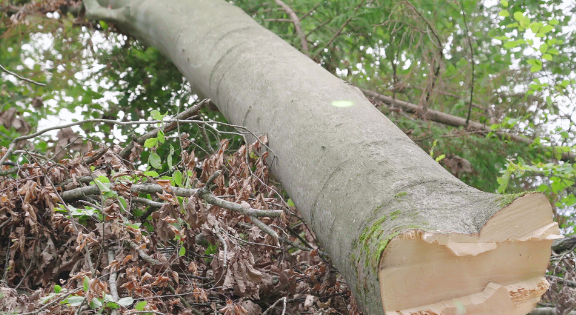
Tree removal is sometimes necessary to protect your home, improve your property’s appearance, or eliminate safety hazards. While it may seem like a straightforward project, several factors can influence the cost, timing, and overall success of the job. Waiting too long to remove a damaged or dying tree can increase risks, while removing one at the right time can make the process smoother and more affordable.
Understanding what affects tree removal costs, when to schedule the work, and why so many homeowners seek this service can help you make informed decisions before hiring a professional.
Understand What Affects Tree Removal Costs
One of the biggest surprises homeowners encounter is the wide range of tree removal costs. The final price depends on factors such as the tree’s size, location, condition, and how difficult it is to remove safely. A tree growing close to a home, power lines, or other structures often requires specialized equipment and additional safety measures, which can increase the overall cost.
According to LawnStarter, removing a small tree generally begins around $150, while removing a large tree can cost as much as $1,935. This wide price range highlights why obtaining multiple estimates and understanding the scope of the project is so important before work begins.
Additional services, such as stump grinding, hauling away debris, or emergency removal after a storm, may also increase the total cost. Asking for a detailed written estimate can help prevent unexpected expenses and ensure you know exactly what is included in the service.
Schedule Your Tree Removal at the Right Time
Many homeowners wait until a tree becomes an emergency before scheduling removal, but planning ahead often offers significant advantages. The season you choose can affect scheduling availability, site conditions, and even the ease of removing the tree.
According to LawnStarter, the ideal time for tree removal is late winter through early spring. During this period, many deciduous trees are dormant and have fewer leaves, allowing crews to work more efficiently. Frozen or firmer ground in some climates may also help reduce damage to surrounding landscaping.
Planning your project during this recommended timeframe may also give you greater flexibility when scheduling with a tree service company. Rather than competing with homeowners seeking emergency storm cleanup during peak seasons, you can often choose appointment dates that better fit your schedule.
Of course, hazardous trees should never be left standing simply to wait for the “perfect” season. If a tree is leaning, severely damaged, or showing signs of failure, prompt professional evaluation is the safest course of action.
Know Why Tree Removal Is Such a Common Service
Tree removal is one of the most frequently requested services in the tree care industry, and for good reason. Trees naturally age, become diseased, suffer storm damage, or outgrow the spaces where they were originally planted. In many cases, removing a hazardous tree protects both property and the people who live there.
According to conXpros, more than 40% of homeowners searching for tree services are specifically looking for tree removal. This reflects just how common the need becomes as trees mature or develop structural problems.
Some homeowners remove trees to eliminate safety hazards, while others want to improve sunlight, create space for landscaping projects, or prepare for home additions. Regardless of the reason, working with experienced professionals helps ensure the tree is removed safely while minimizing the risk of damage to nearby structures or utilities.
Because tree removal is such a specialized service, certified professionals have the equipment and training needed to handle difficult removals that would be dangerous for homeowners to attempt themselves.
Plan Ahead to Avoid Unexpected Challenges
Proper planning can make the entire tree removal process more predictable and less stressful. Before work begins, homeowners should discuss access to the property, potential obstacles, cleanup expectations, and whether permits are required in their area.
It’s also helpful to ask whether stump removal is included in the estimate. While some companies include stump grinding as part of the project, others charge separately. Leaving a stump behind can create mowing obstacles, attract insects, or interfere with future landscaping plans.
If your tree is located near utility lines, fences, or neighboring properties, be sure to mention these details during the estimate. Professional tree removal companies will evaluate the safest removal method and determine whether specialized equipment, such as cranes or rigging systems, is necessary.
Taking time to ask questions before work begins helps eliminate misunderstandings and ensures everyone has clear expectations regarding the project’s timeline, cost, and cleanup.
Tree removal is an important investment in your property’s safety, appearance, and long-term health. By understanding what influences removal costs, scheduling the work during the most favorable season when possible, and recognizing why so many homeowners require this service, you can avoid many of the unexpected challenges that catch people off guard.
Whether you’re removing a tree because of storm damage, disease, or future landscaping plans, working with a qualified tree care professional helps ensure the job is completed safely and efficiently. Careful planning today can save you money, reduce stress, and protect your property from costly surprises down the road.