Installing a roof is one of the most important investments a property owner can make, whether for a home or commercial building. A roof protects a property from the weather, increases energy efficiency, and contributes to overall value. Choosing the right material, understanding expected lifespan, and managing associated contracts are all critical factors that influence both long-term satisfaction and financial outcomes.
Modern roofing options offer a variety of materials that differ in durability, appearance, and cost. Property owners also face the responsibility of managing contracts with contractors, suppliers, and other service providers. By combining careful selection of roofing materials with professional advisory support for contracts, building owners can make informed decisions and protect their investment over time.
Popular Roofing Materials for Residential and Commercial Properties
Metal roofing has grown in popularity in recent years due to its durability, low maintenance, and long lifespan. It provides a modern aesthetic while withstanding harsh weather conditions, making it a preferred choice for both homes and commercial structures.
According to This Old House, metal roofing is currently the second-most popular material for both residential and commercial roofs. Its widespread adoption reflects both the material’s reliability and its ability to meet aesthetic preferences across different property types.
Metal roofs can be installed in a variety of styles, including standing seam, corrugated panels, and interlocking tiles. They are particularly valued for energy efficiency, as they reflect sunlight and reduce heat absorption. Property owners considering metal roofing should also evaluate local climate conditions, installation costs, and long-term maintenance requirements. Choosing a material that aligns with both practical needs and personal preferences contributes to a more successful roofing project.
Understanding the Lifespan of Asphalt Shingles
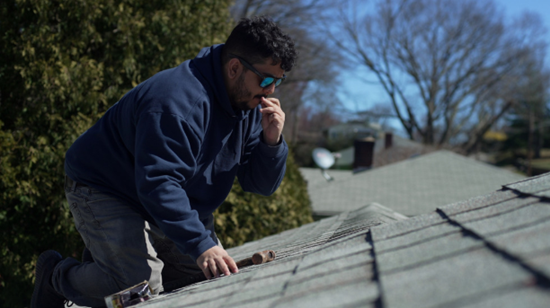
While metal roofs are increasingly popular, asphalt shingles remain a common roofing material for residential buildings. Asphalt shingles are known for their affordability, ease of installation, and wide selection of colors and textures. Understanding their typical lifespan is important when planning for future maintenance or replacement.
According to This Old House, residential asphalt shingles typically last between 15 and 30 years. The range depends on factors such as material quality, weather exposure, and proper installation techniques. Homeowners should factor this expected lifespan into both budgeting and scheduling future inspections or replacements.
Asphalt shingles also provide a flexible option for remodeling projects or smaller-scale roofing upgrades. Property owners who choose asphalt shingles can benefit from their cost-effectiveness while also planning for eventual replacement. Regular maintenance, such as clearing debris and repairing minor damage, can help maximize the material’s lifespan and protect the underlying structure of the roof.
The Role of Advisory Services in Managing Contracts
Selecting a roofing contractor or negotiating agreements with suppliers often involves complex contracts and legal considerations. Mistakes or oversights in these agreements can result in costly delays, disputes, or unexpected financial obligations. Engaging advisory services can help property owners navigate these challenges more effectively.
According to INCPAS, advisory services assist companies in several ways, including conducting contract reviews, supporting commercial contract negotiations, and reviewing employment offers. Applying these services in a roofing context allows property owners to better understand contract terms, assess risks, and negotiate favorable conditions with contractors or suppliers.
Advisory services also guide compliance with local regulations and industry standards. For larger projects or commercial buildings, this support can be particularly valuable, helping to prevent costly errors and facilitating smoother project execution. By leveraging professional guidance, property owners can manage contractual obligations confidently and focus on the successful completion of their roofing project.
Choosing the right roofing material, understanding its lifespan, and managing related contracts are essential steps in any roofing project. Metal roofing has become the second-most popular choice for residential and commercial properties due to its durability and energy efficiency. Asphalt shingles remain a practical option for homeowners, offering a typical lifespan of 15 to 30 years. Meanwhile, professional advisory services help property owners navigate contracts, protect their interests, and reduce potential risks. By combining informed material selection with expert support for agreements, property owners can maximize the value, safety, and longevity of their roof investments.